2,400-Year-Old Tree Hides 300 Fungal Species Underground
Scientists found over 300 types of fungi beneath a single ancient cypress in Chile, more than double any tree they've studied. This hidden partnership could be a game-changer for protecting forests and fighting climate change.
Scientists just discovered a massive underground secret beneath one of the world's oldest trees, and it could change how we fight climate change.
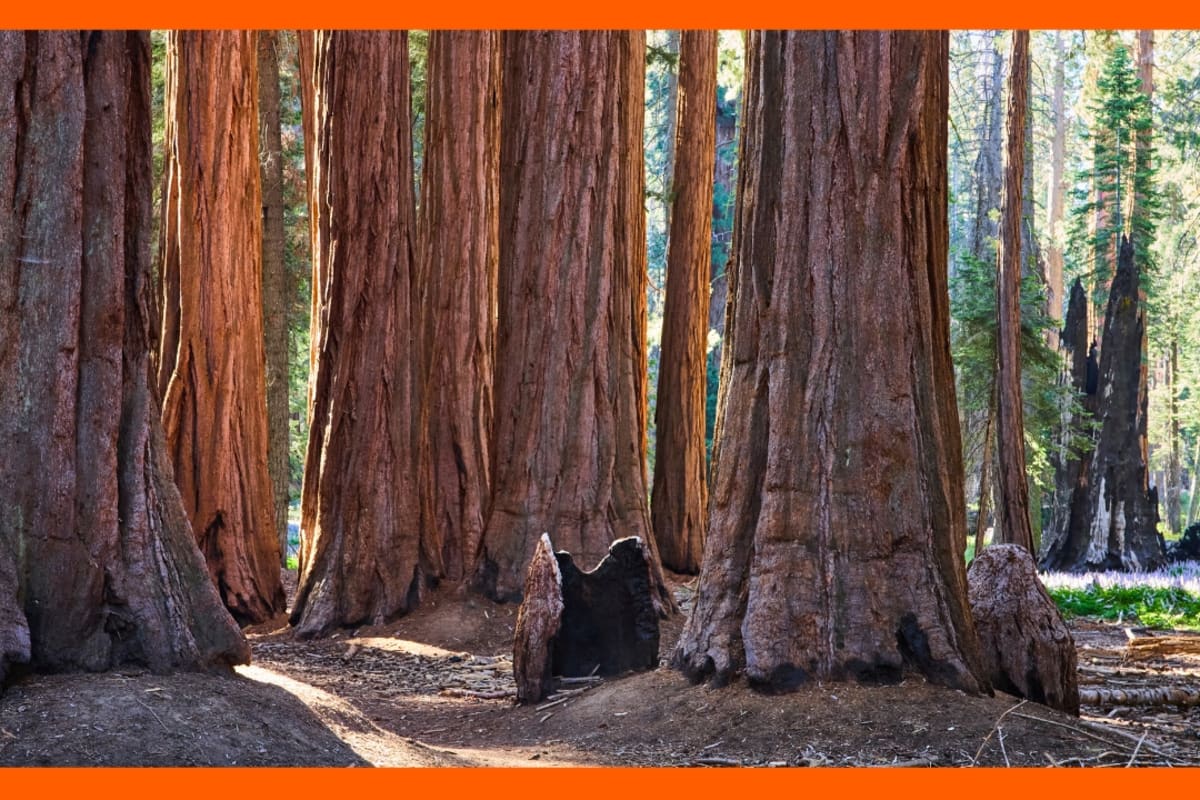
Researchers studying soil beneath a 2,400-year-old alerce tree in southern Chile's rainforest unearthed more than 300 different fungal species living beneath its roots. That's more than twice the number found under any other tree they studied.
The tree, nicknamed Alerce Abuelo, towers as tall as the Arc de Triomphe and stretches as wide as a shipping container. It's been alive since before the Roman Empire fell.
But the real story is happening underground. These hundreds of fungi form partnerships with the tree's roots, creating underground networks that scientists call mycorrhizal relationships.
Here's how it works: the fungi deliver water and nutrients to the tree while protecting it from drought and disease. In return, the tree feeds the fungi sugars, fueling networks that pull carbon dioxide from the air and store it in the soil.
Scientists already knew trees and fungi worked together. What shocked them was finding so many different species cooperating beneath a single tree.
The Ripple Effect
This discovery comes at a crucial moment. As climate change accelerates, finding natural ways to remove carbon from the atmosphere matters more than ever.
Adriana Correlaes, field science lead at the Society for the Protection of Underground Networks, put it simply: "All that diversity means resilience." More fungal species means the forest ecosystem can better withstand droughts, diseases, and changing conditions.
The finding also highlights why protecting ancient trees matters so much. These older giants don't just store more carbon in their massive trunks. They host vastly more diverse underground communities than younger trees.
Through photosynthesis, trees pull carbon dioxide from the air and lock it away in their wood for centuries. With their fungal partners, they're storing even more carbon underground in vast networks scientists are only beginning to understand.
The research, published in Biodiversity and Conservation, studied 32 alerce trees total. But Alerce Abuelo stood out as exceptional, hosting double the fungal diversity of any other sample.
These slow-growing giants can live over 3,600 years, making them the second-longest-lived tree species on Earth. Some individuals alive today were saplings when the pyramids were being built.
The discovery proves that even after thousands of years of studying nature, trees still have secrets to share about building resilient ecosystems that benefit everyone.
More Images




Based on reporting by Upworthy
This story was written by BrightWire based on verified news reports.
Spread the positivity!
Share this good news with someone who needs it