NASA's New Moon Photo Shows Earth Like Never Before
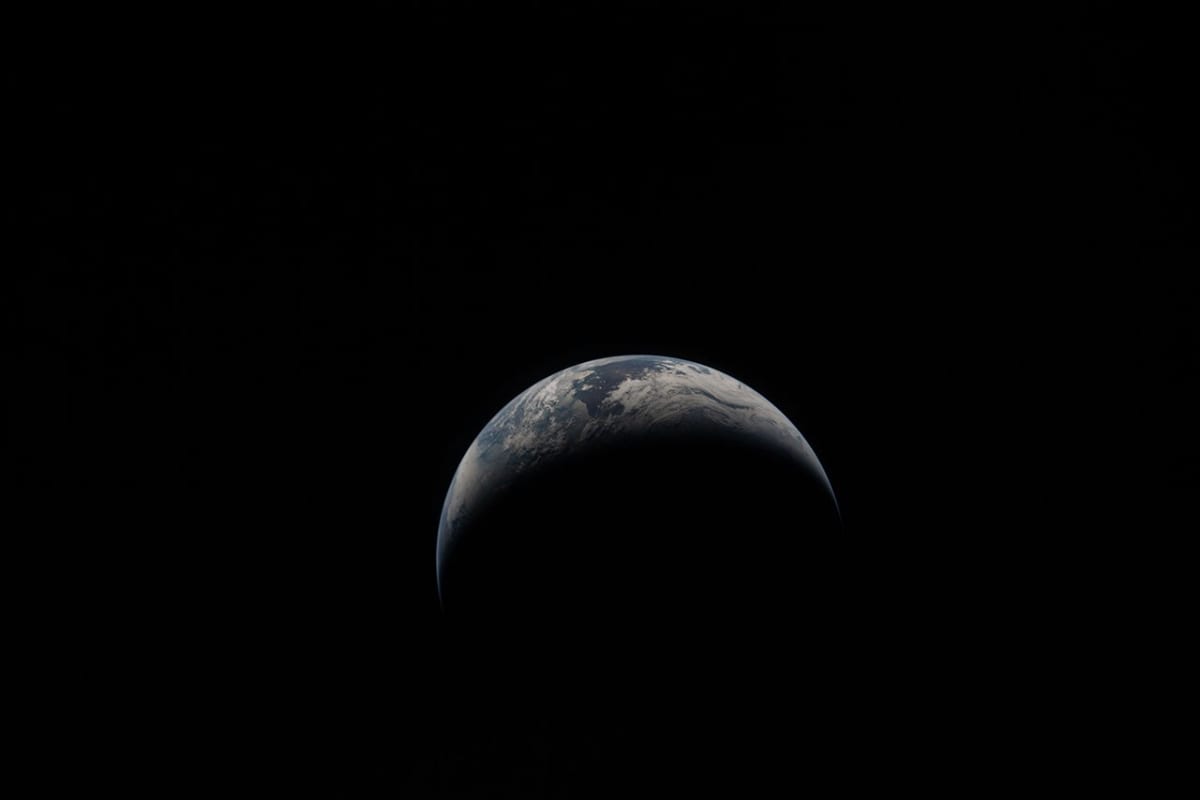
Artemis II astronauts captured a stunning "Earthset" photo while breaking the record for farthest human travel from our planet. The image continues a 58-year tradition of space missions reminding us how precious our home truly is.
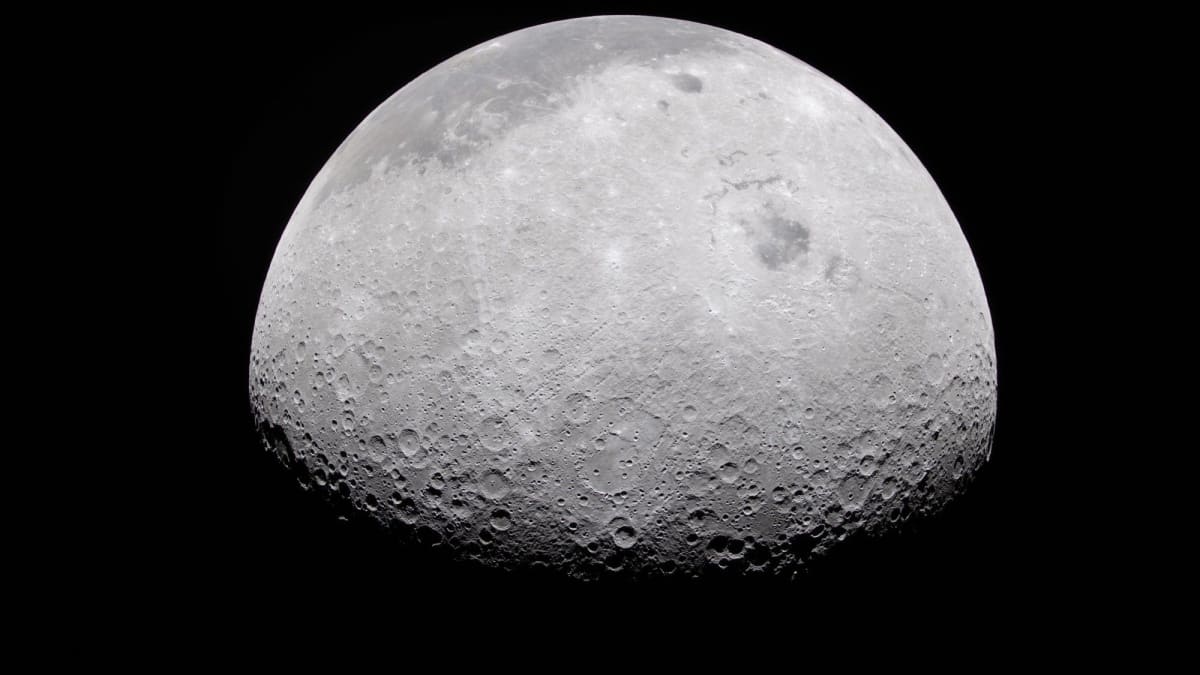
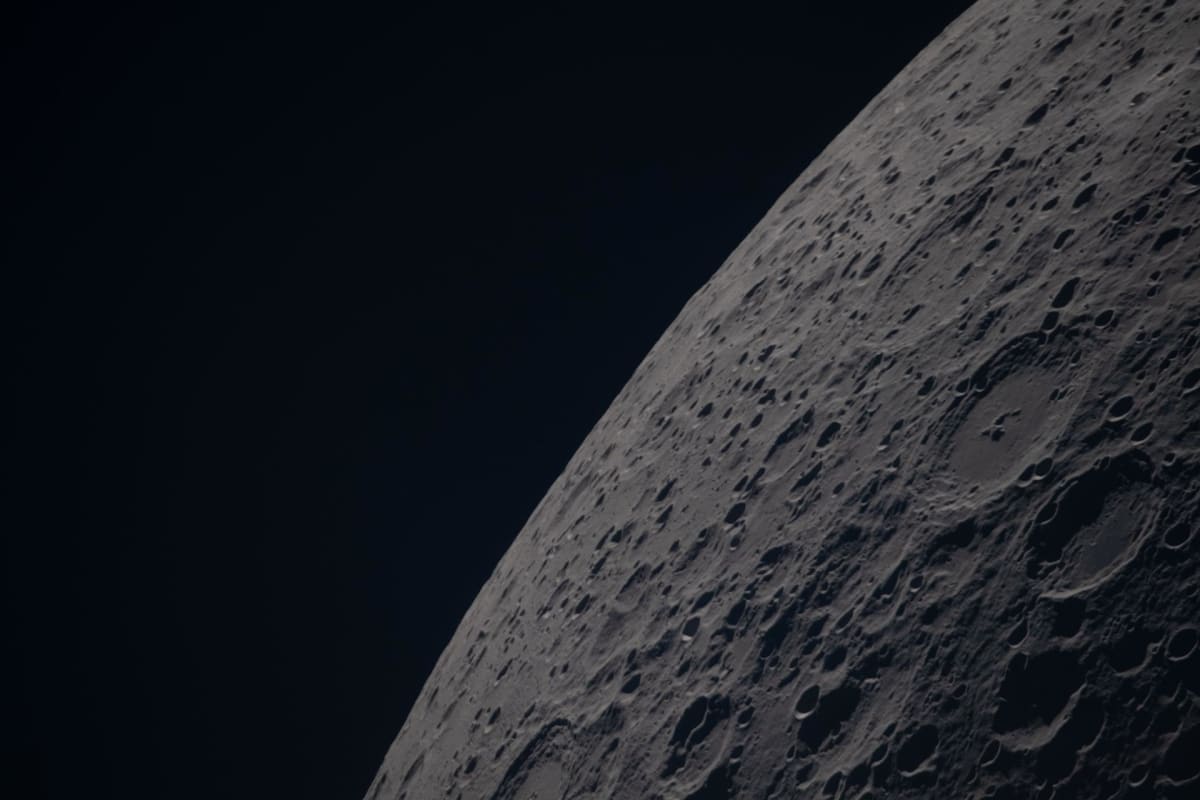
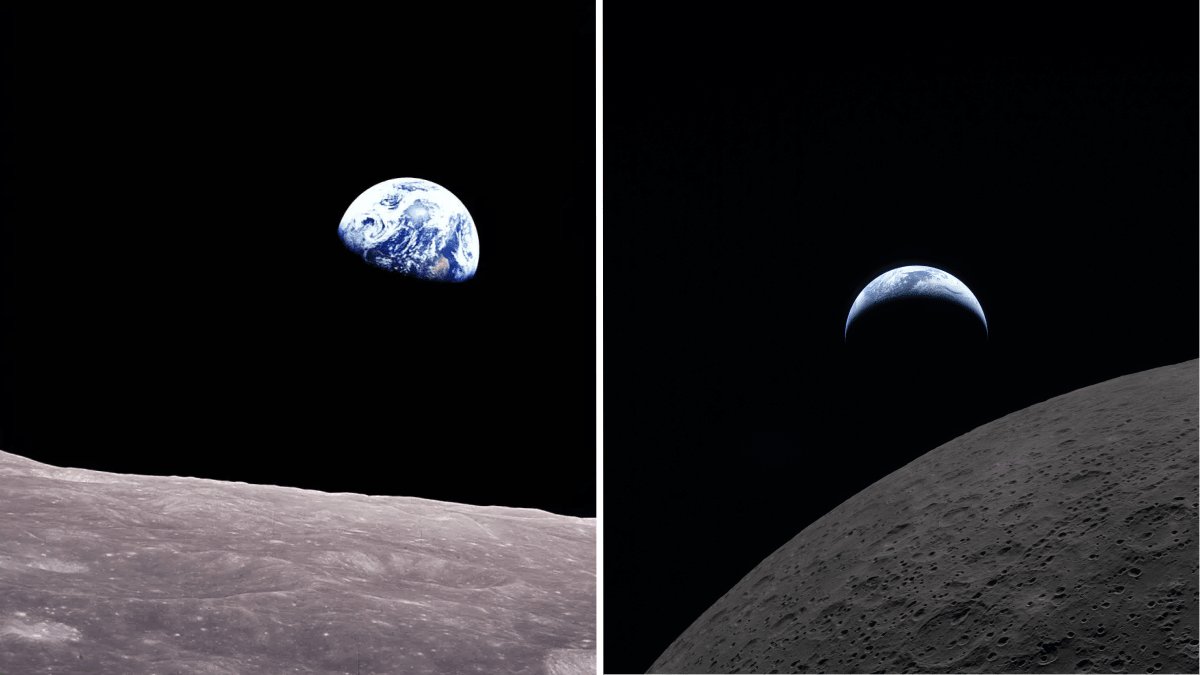
When four astronauts flew around the far side of the Moon this April, they snapped a photo that would make history. The crescent Earth, glowing above the lunar surface, captured our planet at the moment humanity ventured farther from home than ever before.
The Artemis II crew took the image on April 6, just before they disappeared behind the Moon and set a new distance record. Astronauts Reid Wiseman, Victor Glover, Christina Koch, and Jeremy Hansen shared the view through their Orion spacecraft windows, creating what NASA calls "Earthset."
The photo echoes one of the most famous images ever taken. In 1968, Apollo 8 astronaut Bill Anders photographed "Earthrise" during the first crewed mission to orbit the Moon. That single image helped spark the environmental movement and inspired the first Earth Day two years later.
"Our four Artemis II astronauts took humanity on a journey that showed us just how special and bright our Earth is, even from the dark side of the Moon," said Nicky Fox, NASA's associate administrator for science. The new image carries the same symbolic power but with vastly improved technology.
NASA released the Earthset photo on Earth Day to highlight how far space observation has come. Since 1968, the agency has launched dozens of satellites that monitor our planet's health in ways those early astronauts could only imagine.
Today's missions use powerful radar that penetrates clouds and forests to track how land rises and sinks. The recently launched NISAR satellite can spot subtle ground movements in coastal cities threatened by rising seas. Another new satellite called PACE monitors ocean life and air quality in vivid detail.
The Ripple Effect
These Earth-watching satellites do more than create beautiful images. They help farmers plan crops, warn communities about wildfires and floods, and track melting ice in remote mountain ranges. Scientists now monitor Mount Everest's glaciers and study hurricanes with precision unimaginable during the Apollo era.
NASA Administrator Jared Isaacman emphasized the practical impact. "NASA's Earth science missions continue to deliver critical data that strengthen communities, support industries like agriculture, and help the nation anticipate and respond to wildfires, droughts, flooding, and other natural hazards," he said.
The Artemis II mission marked another milestone too. When the crew returns to the Moon on future missions, they'll use this same technology to explore the lunar surface and prepare for even longer journeys into space.
From cameras pressed against spacecraft windows to satellites circling overhead, the view keeps getting clearer. Every image reminds us that our blue marble planet, suspended in the darkness of space, remains worth protecting and understanding.
More Images


Based on reporting by Google News - Science
This story was written by BrightWire based on verified news reports.
Spread the positivity!
Share this good news with someone who needs it