25-Year-Old's Film on Rural India Wins Global Acclaim
A self-taught filmmaker from Haryana turned his grandfather's heartbreak into an award-winning documentary competing at the prestigious London Film Festival. Ankur Hooda's intimate film about vanishing rural traditions is resonating with audiences worldwide.
When 25-year-old Ankur Hooda saw his grandfather sitting alone one winter afternoon, staring at a neighbor's cow with quiet sadness, he knew he had witnessed something profound. His grandfather had just sold the cattle herd that had been his lifelong companion after retiring as a teacher.
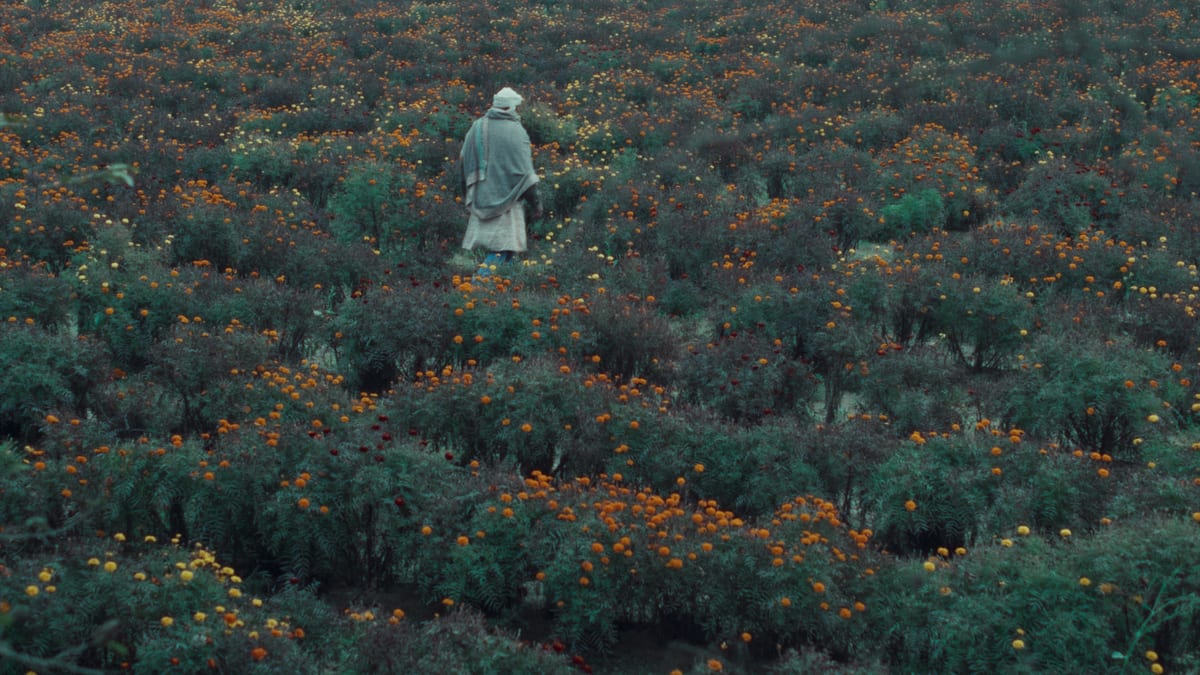
That single moment became the seed for "The Calf Doll," a documentary filmed entirely in Haryanvi in Hooda's home village near Faridabad. The film follows an elderly farmer navigating an ancient rural practice when his cow delivers a stillborn calf and stops producing milk.
Rather than approaching the story with judgment, Hooda wanted to understand what happens when a way of life disappears. He cast his own grandparents as themselves, letting their real experiences shape every frame.
The young filmmaker had no formal training and no budget. He borrowed cameras from friends, built lighting equipment at home with his grandmother's help, and recruited villagers to assist with the shoot.
"The lack of money gave us immense freedom," Hooda explains. Without producers or institutions dictating the process, he discovered the film organically by spending time in rural spaces with his collaborators.
Why This Inspires
Hooda's story proves that powerful art doesn't require fancy equipment or formal credentials. His willingness to learn from his grandparents' generation and document their lived experiences created something that transcends cultural boundaries.
After its world premiere at the Copenhagen International Documentary Film Festival, "The Calf Doll" has been selected for the documentary competition at the 70th BFI London Film Festival. Hooda discovered similar agricultural practices exist in African and South American cultures, showing how local stories can illuminate universal human experiences.
The film captures a reality many young people in rural India face: watching their elders manage farms and livestock alone as younger generations migrate to cities. Rather than treating this as inevitable, Hooda chose to honor the dignity and knowledge of those who remain.
His grandfather's cattle were never just livestock but work, companionship, routine, and identity wrapped into one. By turning his camera toward what many might consider outdated traditions, this self-taught filmmaker is giving voice to communities often overlooked in conversations about progress.
Based on reporting by The Hindu
This story was written by BrightWire based on verified news reports.
Spread the positivity!
Share this good news with someone who needs it