250 African Leaders Unite to Defend Reproductive Rights
Despite shrinking funding and growing opposition, over 250 advocates from across Africa gathered in Mombasa to strengthen the continent's sexual and reproductive health rights movement. Their message is clear: progress won't be surrendered without a fight.
When resources dry up and doors start closing, most movements retreat. Africa's sexual and reproductive health rights advocates are doing the opposite.
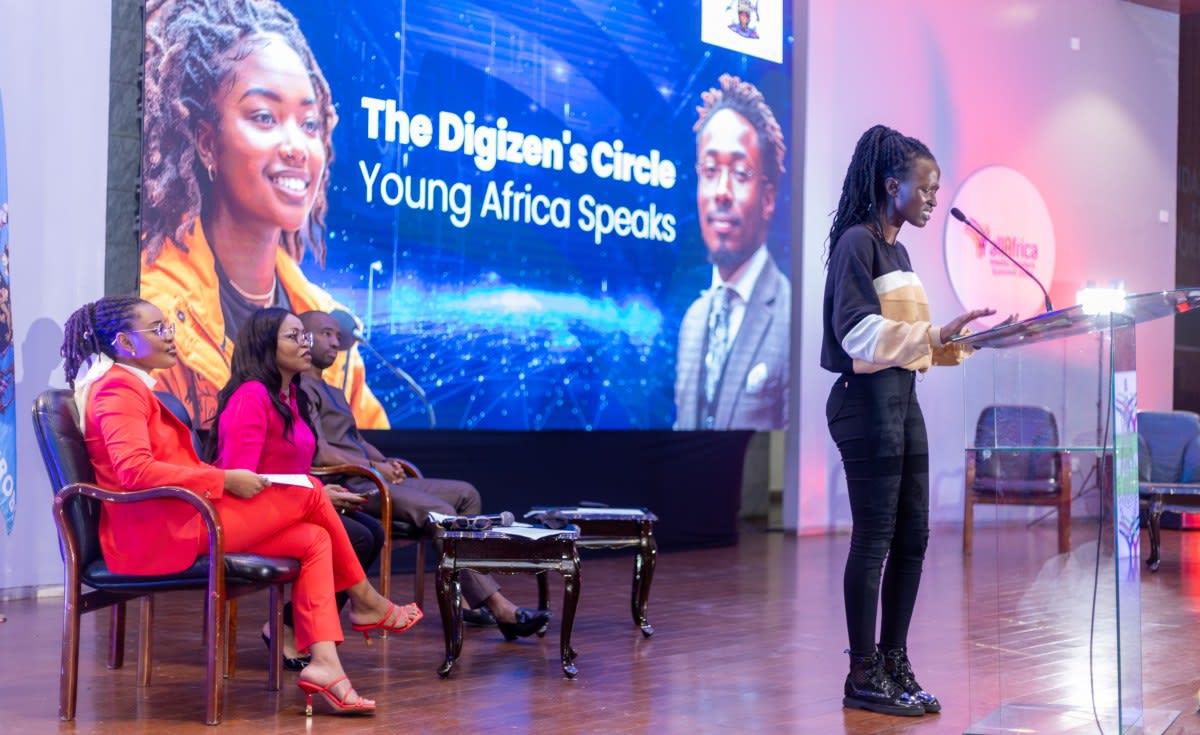
More than 250 activists, healthcare providers, youth leaders, and policymakers from across the continent came together in Mombasa, Kenya for the PROGRESS 2026 symposium. They're not just defending reproductive health care—they're building a continental movement.
The timing matters. Funding for sexual and reproductive health programs across Africa dropped sharply in 2025, forcing many organizations to shrink or rethink their entire approach. Conservative policy shifts, climate crises, and barriers facing women, adolescents, people with disabilities, and LGBTQIA+ communities have made the work even harder.
"Movements are not built only when resources are plentiful, but out of passion," said Jude Thaddeus Njikem, regional specialist at Sonke Gender Justice, one of the symposium's organizers. The team faced funding restrictions and difficult decisions at every turn, but chose to bring people together anyway.
Runyararo Mutariswa, Regional Coordinator at Sonke Gender Justice, described the three-day gathering as far more than a conference. "We are opening a continental movement," she said, urging participants to forge connections and stop working in isolation.
The symposium focused on practical collaboration. Leaders discussed strengthening youth leadership, engaging men and boys as partners in challenging harmful gender norms, and improving access to comprehensive sexuality education. They're treating advocacy, research, community organizing, and feminist leadership as interconnected parts of one ecosystem instead of separate efforts.
Why This Inspires
What makes this gathering remarkable isn't just that it happened despite the obstacles. It's that organizers deliberately chose 2026 over 2025 because they wanted to return "stronger, bolder, and more united." They're playing the long game.
Partners like UNESCO and UNAIDS stayed committed even while experiencing similar funding cuts. Some organizations lost donors entirely, others closed offices, but they showed up anyway. The movement proved it could choose courage over fear and solidarity over isolation.
The symposium emphasized creating space for young people as leaders and co-creators, not just participants. It connected advocates from different corners of the continent who share the same commitment: that dignity, bodily autonomy, and reproductive justice are worth fighting for, no matter how tough the road gets.
When funding disappears and opposition grows, this movement is building something that can't be defunded: continental solidarity.
Based on reporting by AllAfrica - Headlines
This story was written by BrightWire based on verified news reports.
Spread the positivity!
Share this good news with someone who needs it