25,000-Year-Old Fire Ritual Discovered in Australian Cave
Archaeologists working with GunaiKurnai elders have uncovered evidence of ritual grass burning in a Victorian cave dating back 25,000 years, revealing ancient spiritual practices that survived through the Ice Age. The discovery pushes back proof of Indigenous ceremonial fire use by thousands of years.
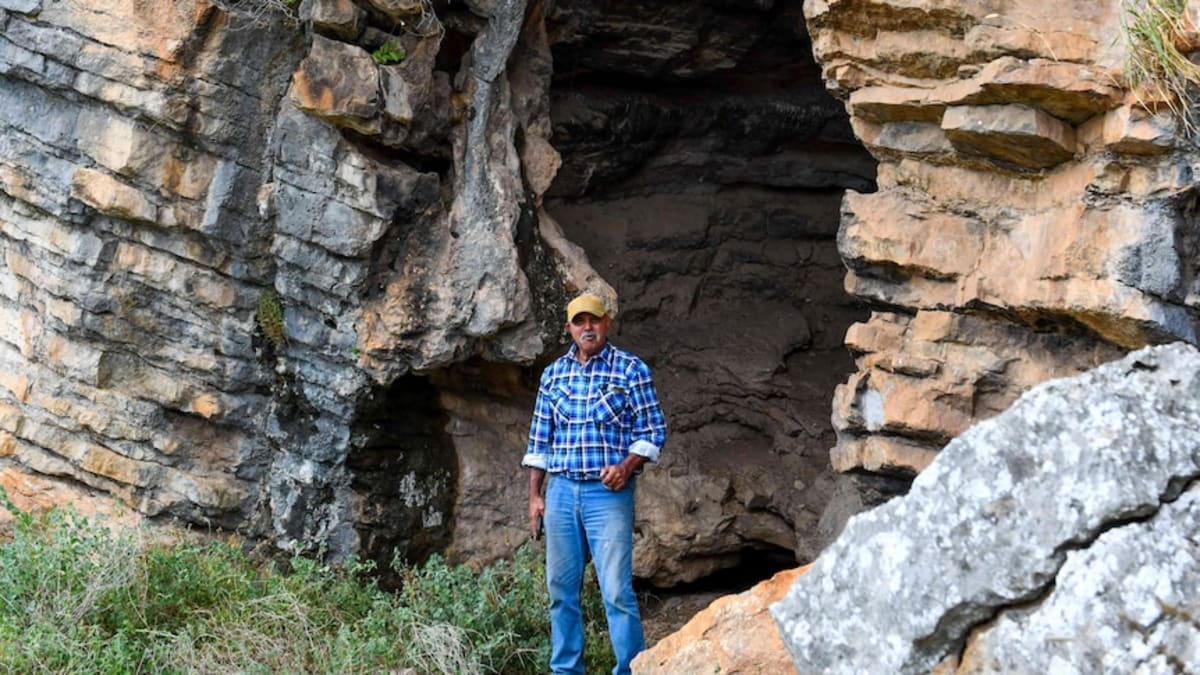
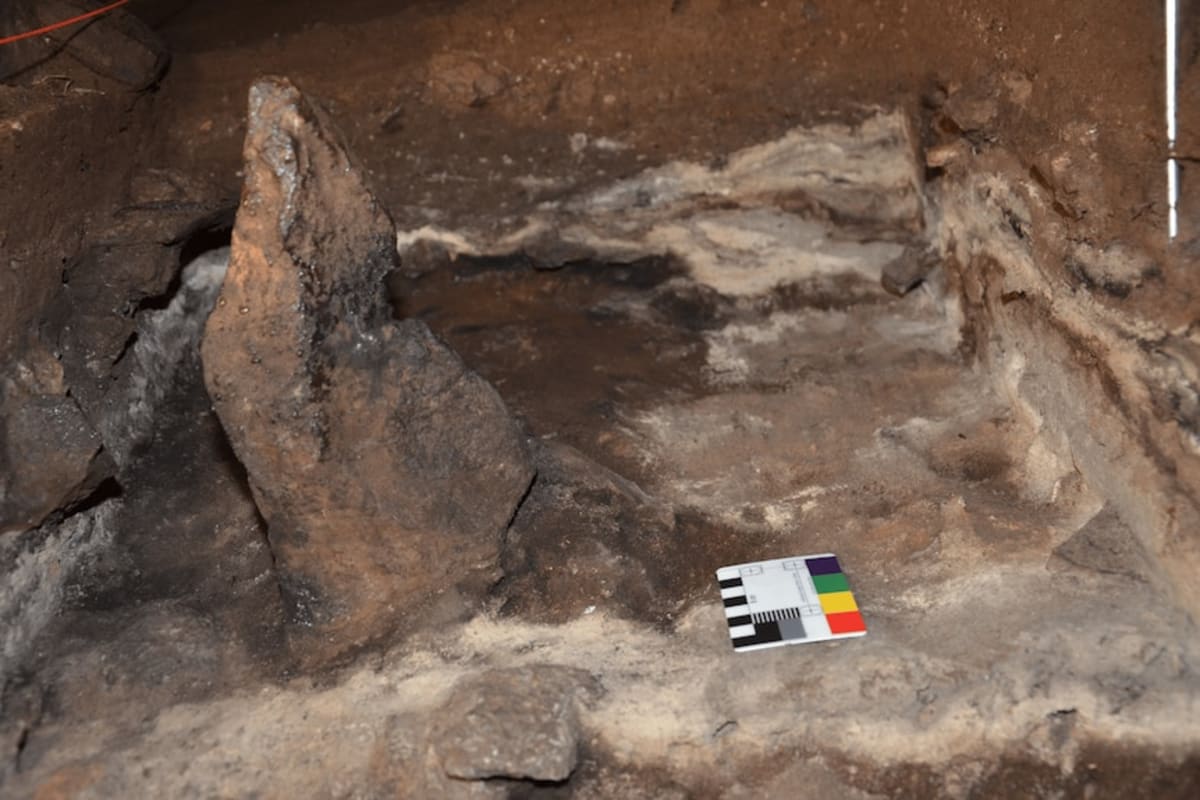
Imagine carrying bundles of grass into a dark cave during the Ice Age, laying them carefully on the ground, and lighting them for healing and spiritual ceremonies. That's exactly what GunaiKurnai ancestors did 25,000 years ago in what's now called Cloggs Cave in eastern Victoria.
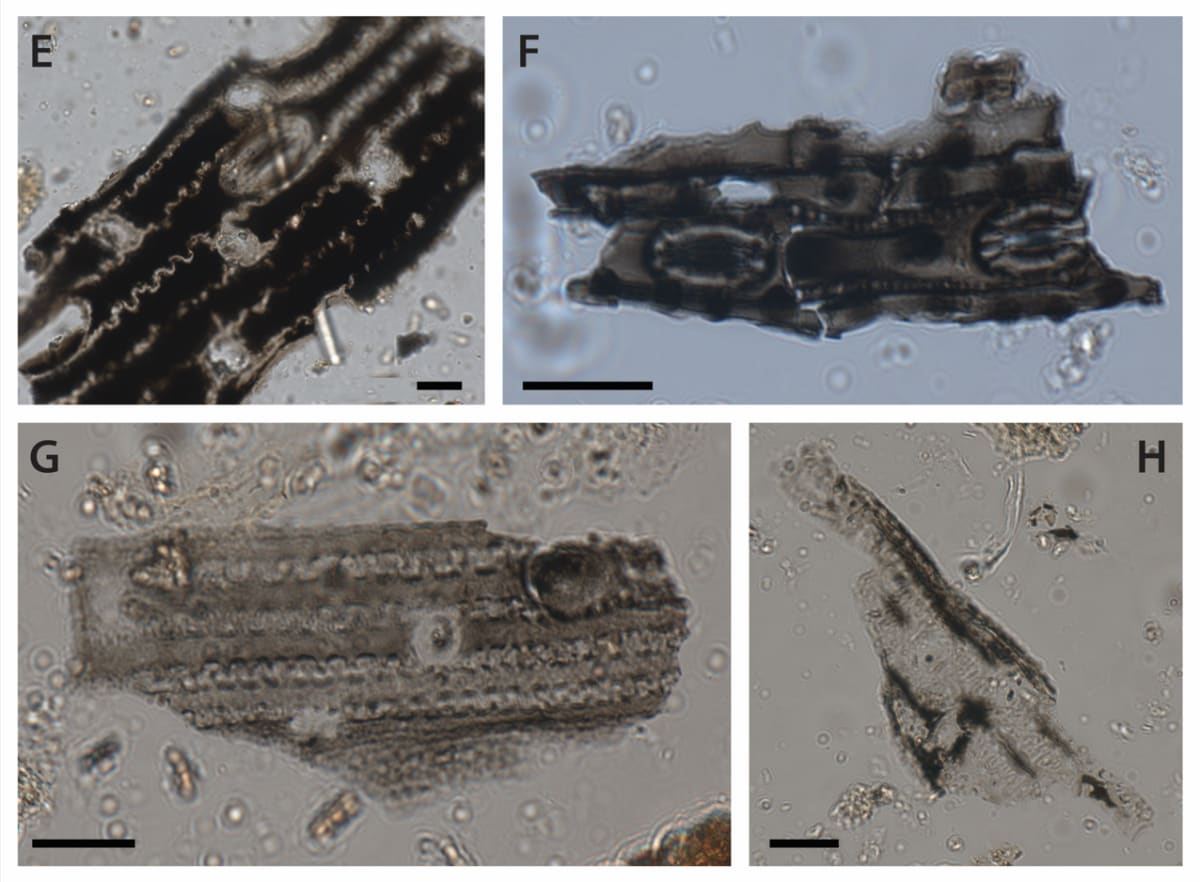
Scientists discovered the ancient practice by studying phytoliths, tiny plant "skeletons" that remain long after everything else decays. These microscopic structures told a remarkable story: whole grass plants, complete with stems, leaves, flowers and roots, were deliberately brought into the cave and burned in thin layers over thousands of years.
Dr. Elle Grono from Australian National University led the research team that examined dozens of ash layers. The oldest samples they could accurately date ranged between 25,800 and 24,000 years old, right at the peak of the last Ice Age when Australia was much cooler and drier than today.
GunaiKurnai elder Russell Mullett explained that cultural knowledge and 19th century records indicate the cave was used by mulla-mullung, learned people with special powers. "These were doctors, and they were sought after by families to provide cures," he said. "But they had these other powers, too, that could harm people."
The discovery came through a collaboration between the GunaiKurnai Land and Waters Aboriginal Corporation and researchers, correcting the wrongs of earlier excavations done without permission in the 1970s. This partnership has already produced other breakthroughs, including finding Australia's oldest wooden artifacts in 2024.
The Ripple Effect
This finding does more than push back dates on a timeline. It demonstrates the deep complexity of Indigenous knowledge systems and spiritual practices that survived incredible environmental changes. During the time these rituals were performed, sand dunes covered half of Australia.
The research also shows what's possible when traditional knowledge holders and scientists work together as true partners. Dr. Caroline Spry from La Trobe University, who wasn't involved in the study, called the evidence "exciting," noting it "brings to life an evocative image" of ancestors carrying grass bundles for ceremonial burning.
The youngest ash samples dated to between 3,400 and 1,500 years ago, meaning these practices continued for more than 20,000 years. That's a testament to cultural continuity rarely seen in archaeological records anywhere in the world.
For Mullett, sharing these discoveries tells "a broader story about our people, our belief systems, our traditions." It's a story that connects past and present, honoring ancestors while building understanding for future generations.
More Images

Based on reporting by ABC Australia
This story was written by BrightWire based on verified news reports.
Spread the positivity!
Share this good news with someone who needs it