26 Scientists Celebrate 24-Minute Sunrise After 6 Dark Weeks
After six weeks of darkness at Antarctica's Davis Station, 26 Australian researchers gathered to watch the sun return for just 24 minutes. Their celebration shows how even the briefest moments of light can lift spirits in the most extreme conditions.
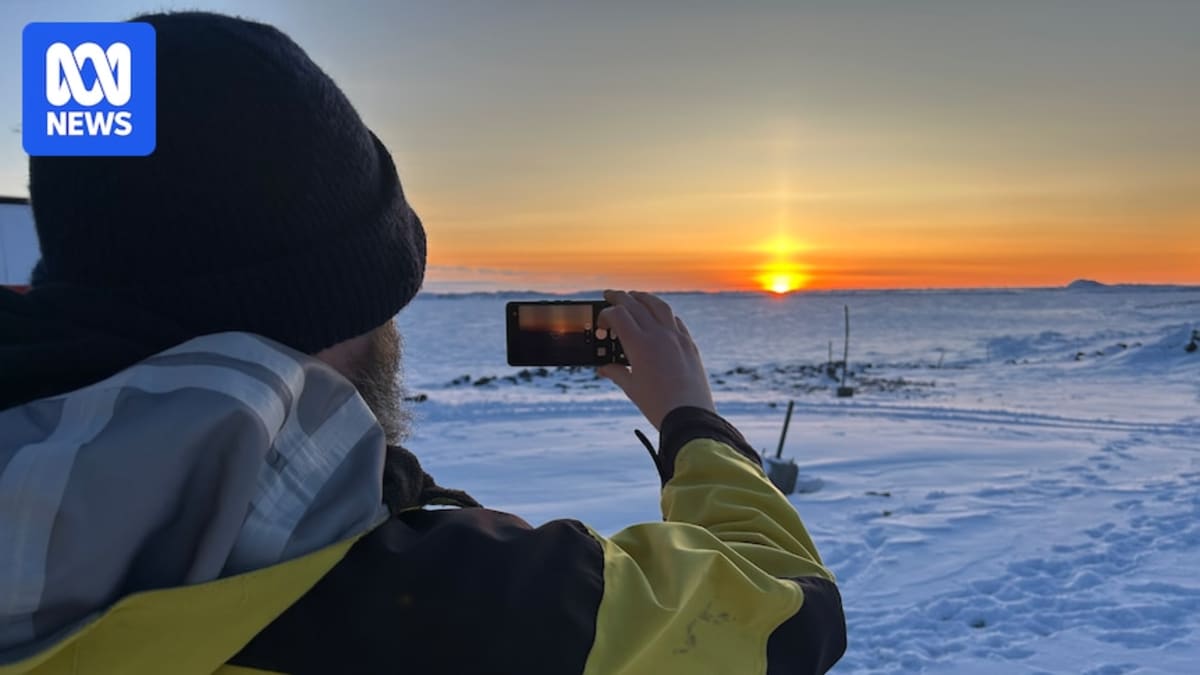
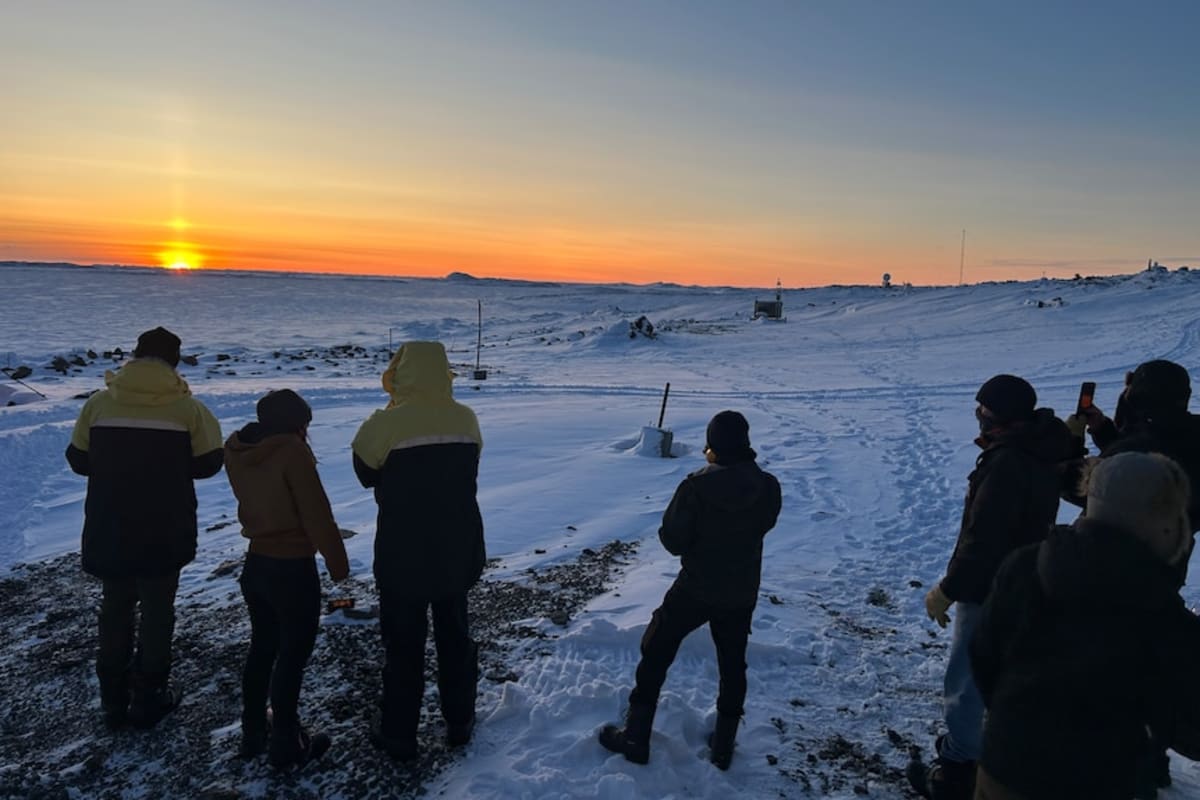
Twenty-six people huddled together on the frozen coast of Antarctica, watching the horizon with anticipation. After six weeks without seeing the sun rise above the horizon, even 24 minutes of daylight felt like a gift.
The team at Davis Station, Australia's southernmost Antarctic research station, marked a milestone on July 10 when the sun finally reappeared. Gavin Melgaard, a Bureau of Meteorology observer from Bright, Victoria, described the moment as electric.
"It was quite exciting," he said. "It was only up for a whole 24 minutes, but it was still quite an uplift and quite a great mood change to see the sun after that long."
For Melgaard, this marks his fifth Antarctic expedition in 14 years. He spent 18 months preparing for this yearlong assignment, including months of specialist training before traveling south by ship.
Life at Davis Station operates like a close-knit family. The 26 expeditioners share meals, work shifts, and social events designed to combat the mood changes that come with prolonged darkness. While the station experiences an hour or two of twilight each day during winter, the absence of direct sunlight affects everyone.
"Anyone, when you lose the sunlight, you maybe get a bit more tired and people maybe a little bit grumpier," Melgaard explained. "But knowing that's going to happen and preparing helps."
The team celebrated their annual midwinter event in June, leaning into the darkness with fellowship and shared experiences. Unlike summer, when emergency aircraft evacuations might be possible, winter at Davis Station means complete isolation.
Why This Inspires
What draws someone back to Antarctica five times? For Melgaard, it's the extraordinary wildlife and landscapes that exist nowhere else on Earth.
"Seeing 20,000 emperor penguins go through their life cycle, watching cute little babies grow up and leave, would be my favourite," he said. The station also hosts visits from elephant seals and offers stunning aurora displays that dance across the polar sky.
Despite the isolation from his wife back home in Bright, improved satellite communications now allow daily contact. The work itself follows a steady rhythm: five days a week taking weather observations, launching two weather balloons daily for forecasting and climate research, and releasing weekly ozone balloons to monitor the atmosphere.
On weekends, expeditioners escape to nearby field huts for camping trips. Melgaard recently spent a night at minus 25 degrees, treating it like any other outdoor adventure.
The station offers small comforts too: a library, a tiny cinema, and the companionship of people who chose this extraordinary challenge. Each person at Davis Station contributes to weather forecasting and climate research that benefits the entire planet, all while supporting each other through months of darkness.
Now, as the days gradually lengthen, that 24-minute sunrise marks the beginning of Antarctica's slow return to light.
More Images



Based on reporting by ABC Australia
This story was written by BrightWire based on verified news reports.
Spread the positivity!
Share this good news with someone who needs it