2,600-Year-Old Tomb of Singing Priests Found in Egypt
Archaeologists in Luxor have unsealed a burial chamber untouched for over 2,600 years, revealing 22 coffins belonging to women who sang sacred songs in ancient Egypt's temples. The discovery includes sealed jars that may contain perfectly preserved materials from millennia ago.
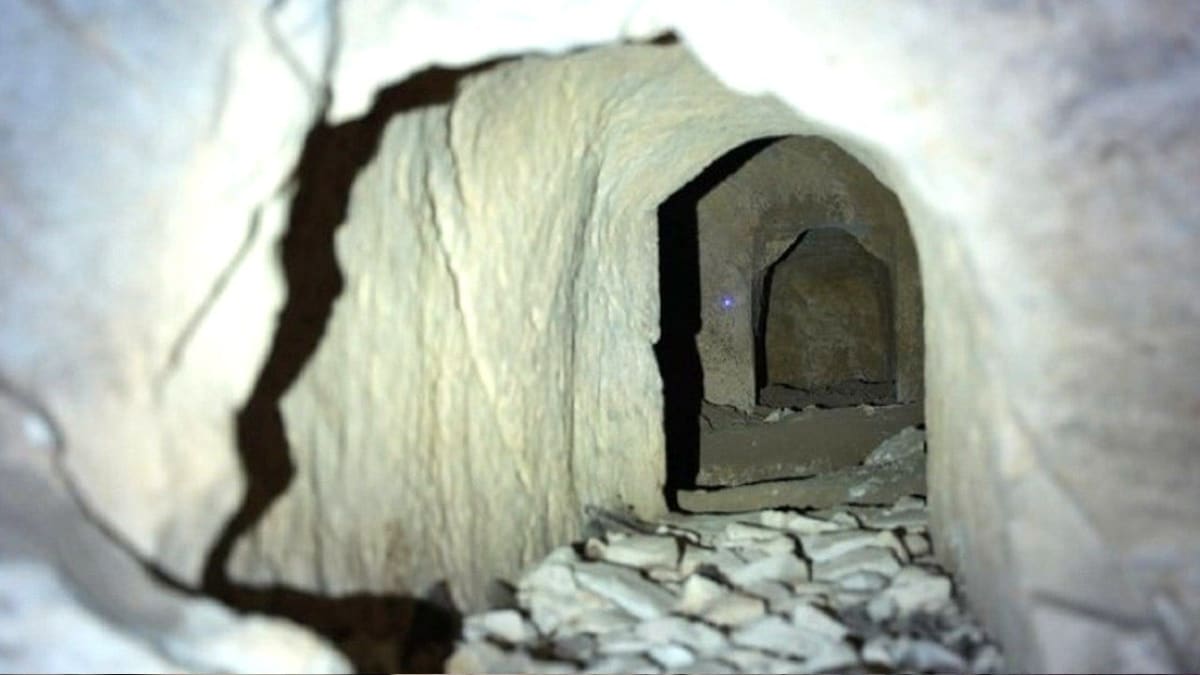
Deep beneath the ancient necropolis of Asasif in Luxor, archaeologists have just opened a tomb that no one has entered in 2,600 years, and what they found inside is rewriting what we know about women in ancient Egypt.
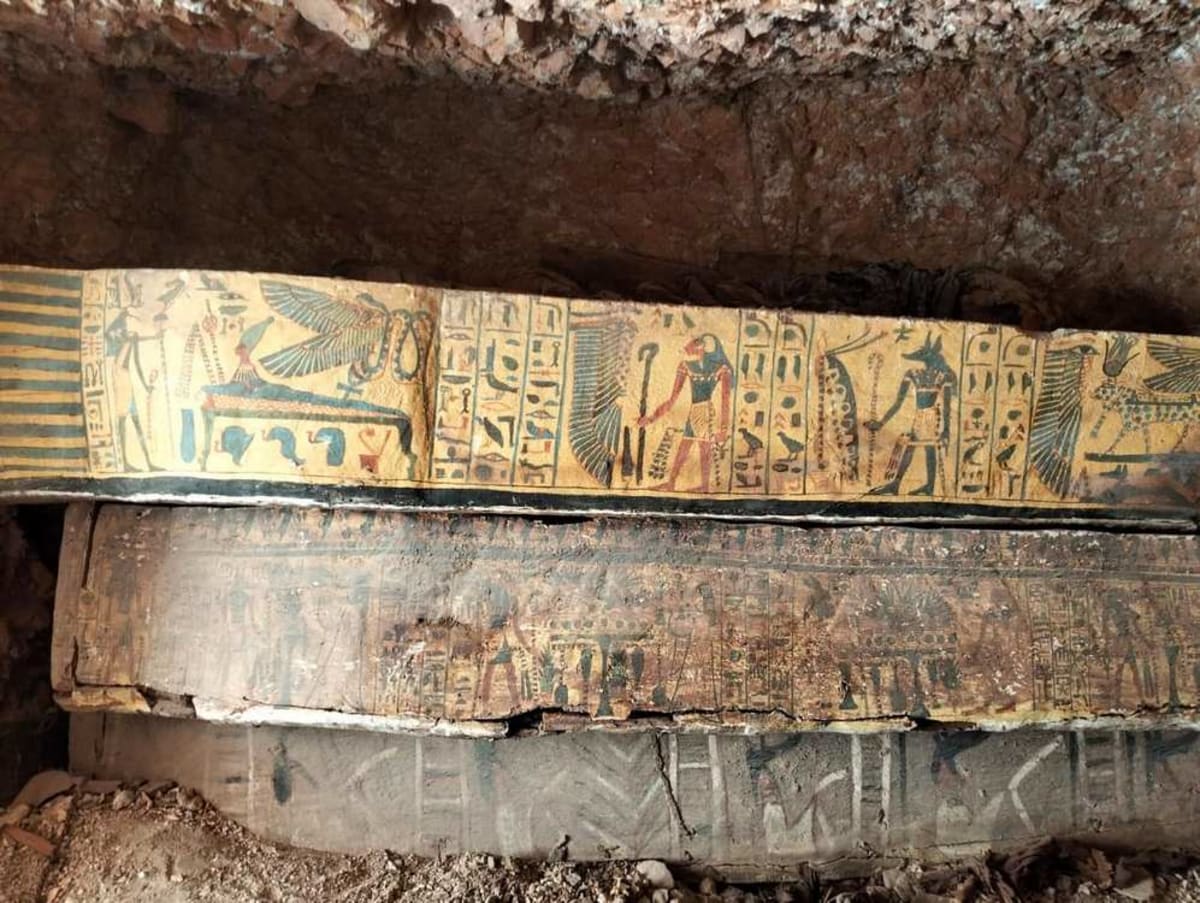
The burial chamber, carved directly into bedrock, held 22 ornate coffins and 8 mummies arranged in 10 careful rows. The coffins bear the words "Singer of Amun" written repeatedly on their surfaces, revealing these weren't ordinary citizens but members of a special religious caste of women who performed sacred songs at festivals and temple ceremonies.
These women held unique positions of respect in ancient Egyptian society. They sang at the Temple of Karnak for Amun, one of Egypt's most powerful deities, and likely enjoyed both religious authority and social privilege uncommon for their time.
What makes this discovery extraordinary goes beyond the coffins themselves. Archaeologists found 8 sealed jars arranged inside a large ceramic vessel, still bearing their original clay seals from thousands of years ago. These untouched containers may hold organic materials like oils, resins, or even biological remains that could provide unprecedented insights into ancient Egyptian burial practices.
The research team called these sealed jars an "information goldmine." Modern laboratory analysis of their contents could reveal everything from the specific plants ancient Egyptians used in mummification to genetic information about the people themselves.
Dating suggests the coffins span 400 years of Egypt's Third Intermediate Period, roughly between 1070 and 664 BCE. The careful arrangement of the burial chamber, clearly designed to maximize space and fit as many deceased as possible, indicates these women were moved here from their original resting places, though researchers don't yet know why.
Why This Inspires
This discovery shines light on a group of women whose voices literally shaped ancient religious life but whose stories have remained largely hidden. Evidence of how female temple officials lived and died is rare, according to the Egyptian Ministry of Tourism and Antiquities, making this find especially valuable for understanding women's roles in ancient civilizations.
The frantic preservation work happening now protects flaking pigments and splintering wood that have survived millennia. Each carefully conserved detail brings us closer to understanding not just how these women died, but how they lived, what they valued, and the respect their society showed them.
Luxor, often called the world's largest open air museum, continues to reveal secrets buried beneath the sand, each discovery a reminder that there are still untold stories waiting to be heard.
More Images




Based on reporting by Good News Network
This story was written by BrightWire based on verified news reports.
Spread the positivity!
Share this good news with someone who needs it
%2Fhttps%3A%2F%2Ftf-cmsv2-smithsonianmag-media.s3.amazonaws.com%2Ffiler_public%2Ff8%2F2a%2Ff82aae37-3a31-4995-b8f3-4be66db320c8%2Fmembers_of_the_research_team_during_the_documentation_and_analysis_work.jpeg)