27 Years Protecting India's Nilgiris Forest Brings Revival
A handful of citizens in India spent nearly three decades protecting Longwood Shola forest from invasive species and illegal logging. Their patient work proves that sometimes the best way to save nature is simply giving it space to heal itself.
For 27 years, a small group of volunteers has been doing something radical to save one of India's last native rainforests: they're leaving it alone.
Well, mostly alone. The Longwood Shola Watchdog Committee has spent nearly three decades protecting a 116-hectare forest in the Nilgiris mountains, removing what was slowly killing it while letting nature do the rest.
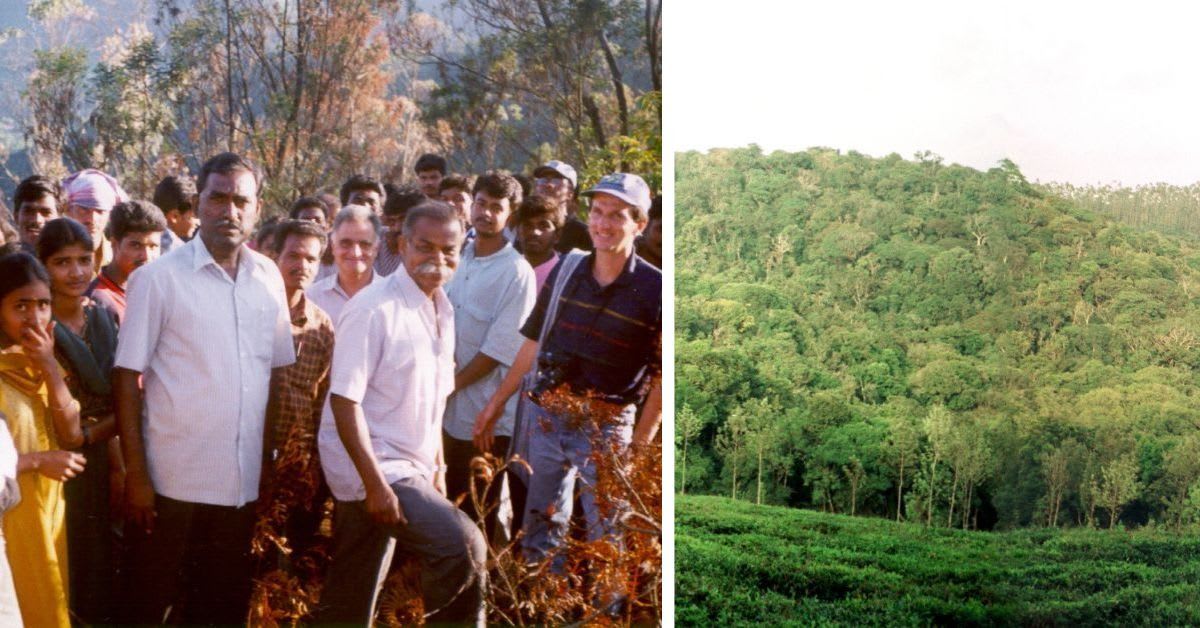
When Michel Danino moved near the forest in 1982, he watched illegal logging destroy the ancient trees. He started physically stopping locals from cutting wood, writing detailed letters to officials, and bringing journalists to document the damage. Years of pressure finally worked when forest officer Dr. N Krishna Kumar visited and saw hundreds of fresh stumps littering the ground.
That visit led to the formation of the watchdog committee in 1998. Danino joined forces with retired math professor KJ Raju, headmaster M Balamurugan, and music teacher Michael Ezekiel to guard the forest.
Their strategy was simple: protect native trees and remove invasive species. No grand restoration plans, no expensive interventions. Just patient, consistent protection.
The forest they're saving matters more than most people realize. Longwood Shola provides drinking water to 15 villages serving up to 50,000 people. The Nilgiris region is called the overhead water tank of South India because these high-altitude rainforests absorb massive amounts of rainfall and release it slowly during dry seasons.
These "shola" forests, named from ancient Tamil literature, grow above 1,500 meters and once covered much of the Western Ghats. India has lost 30 percent of its forests in recent decades, with over half of all shola forests disappearing since 1850. British colonial plantations of eucalyptus, tea, and cypress replaced the native ecosystem.
What remains hosts barking deer, wild cats, flying squirrels, rare mouse deer, panthers, and Indian bison. Countless bird and plant species depend on the intact forest canopy.
The watchdog committee's unglamorous work involves removing invasive plants, preventing illegal cutting, and coordinating with forest officials. No dramatic rescues, just showing up year after year.
The Ripple Effect
The committee's persistence changed how officials think about forest protection. By proving that citizen guardianship works, they inspired similar efforts across the region.
Their approach also challenges the idea that restoration requires massive intervention. Sometimes ecosystems just need protection from harm and time to recover their natural balance. The trees Michel Danino observed in the 1980s really do "communicate and wage war against intruding exotics" when given the chance.
Local communities that once depended on the forest for firewood now understand its value as a water source. The forest that was dying from a thousand cuts is slowly healing.
Twenty-seven years of patient work by a handful of volunteers proves that ordinary citizens can accomplish extraordinary conservation when they refuse to give up.
More Images
%2Fenglish-betterindia%2Fmedia%2Fmedia_files%2F2026%2F08%2F17%2Flongwood-shola-2026-08-17-19-09-24.jpg)
%2Ffilters%3Aformat(webp)%2Fenglish-betterindia%2Fmedia%2Fmedia_files%2F2026%2F08%2F17%2F3-4-2026-08-17-19-04-02.jpg)

%2Ffilters%3Aformat(webp)%2Fenglish-betterindia%2Fmedia%2Fmedia_files%2F2026%2F08%2F17%2F1-12-2026-08-17-19-04-13.jpg)
Based on reporting by The Better India
This story was written by BrightWire based on verified news reports.
Spread the positivity!
Share this good news with someone who needs it