Indian Village Grows Food for Wild Elephants, Ends Raids
A village in Assam, India stopped fighting wild elephants and started feeding them instead. Now farmers harvest crops safely after years of losing everything to nighttime raids.
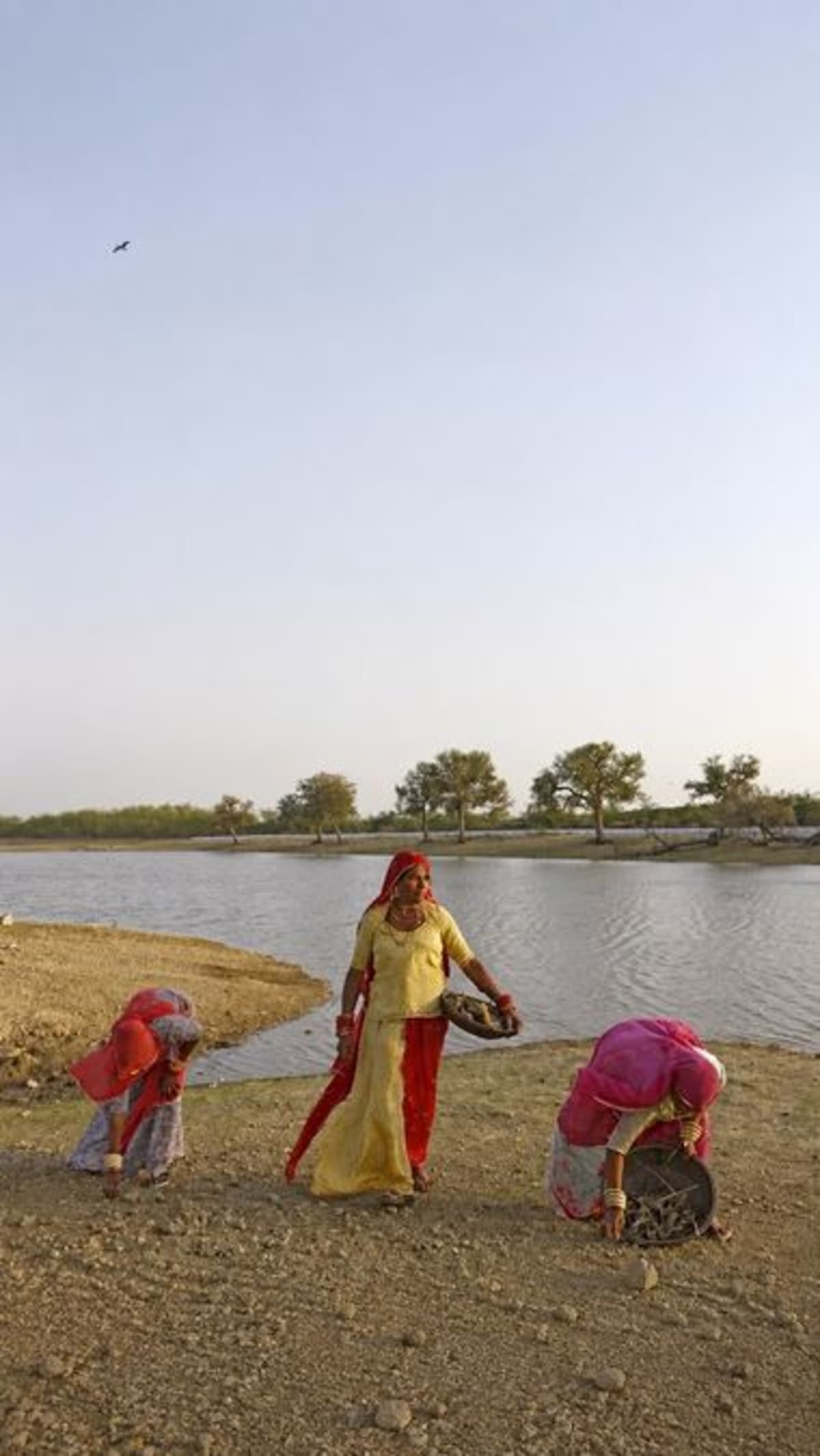
Farmers in Hatikhuli-Ronghang used to lie awake at night, terrified that wild elephant herds would destroy months of hard work in hours. Today, those same elephants peacefully eat from fields the villagers planted just for them.
The transformation started when this Assam village, located along the Nagaon-Karbi Anglong border, joined the "Hati Bondhu" initiative, which means "Friends of Elephants." Instead of trying to chase the animals away, residents planted special crops like Napier grass, jackfruit, and elephant apple along traditional elephant routes.
The problem was simple: elephants were running out of food in their shrinking forest habitat. As they moved between the hills and plains searching for meals, cultivated paddy fields became easy targets. Farmers watched helplessly as their crops vanished overnight.
Conservationists Pradip Kumar Bhuyan and Binod Dulu Bora helped villagers understand the elephants weren't enemies. They were hungry animals following ancient migration paths that had been cut off by human development.
The community converted more than 800 bighas, roughly 266 acres, into dedicated elephant feeding grounds. They strategically planted the elephants' favorite foods before the herds reached human crops.
The Ripple Effect
The results speak louder than any wildlife policy. In 2024, farmers who had completely stopped growing paddy because of repeated raids returned to their fields and harvested safely for the first time in years.
Serious human-elephant conflicts in the region have dropped dramatically. Villagers who once feared these massive animals now work alongside conservation volunteers to maintain feeding areas and track migration patterns.
Hatikhuli has become an unexpected destination for conservation tourism. Visitors don't just watch elephants from safari vehicles. They meet farmers who transformed fear into coexistence and see firsthand how communities can live alongside wildlife.
The busiest season runs from August to December, when elephant movement peaks and feeding activity increases. Travelers reach the village by flying into Guwahati's international airport, then hiring vehicles for the drive toward Nagaon and Karbi Anglong.
Local guides explain how different grasses and fruits support elephant nutrition, why certain routes matter, and how one village's experiment could reshape wildlife conservation across India. The experience offers something rare: proof that humans and wildlife don't have to compete for survival.
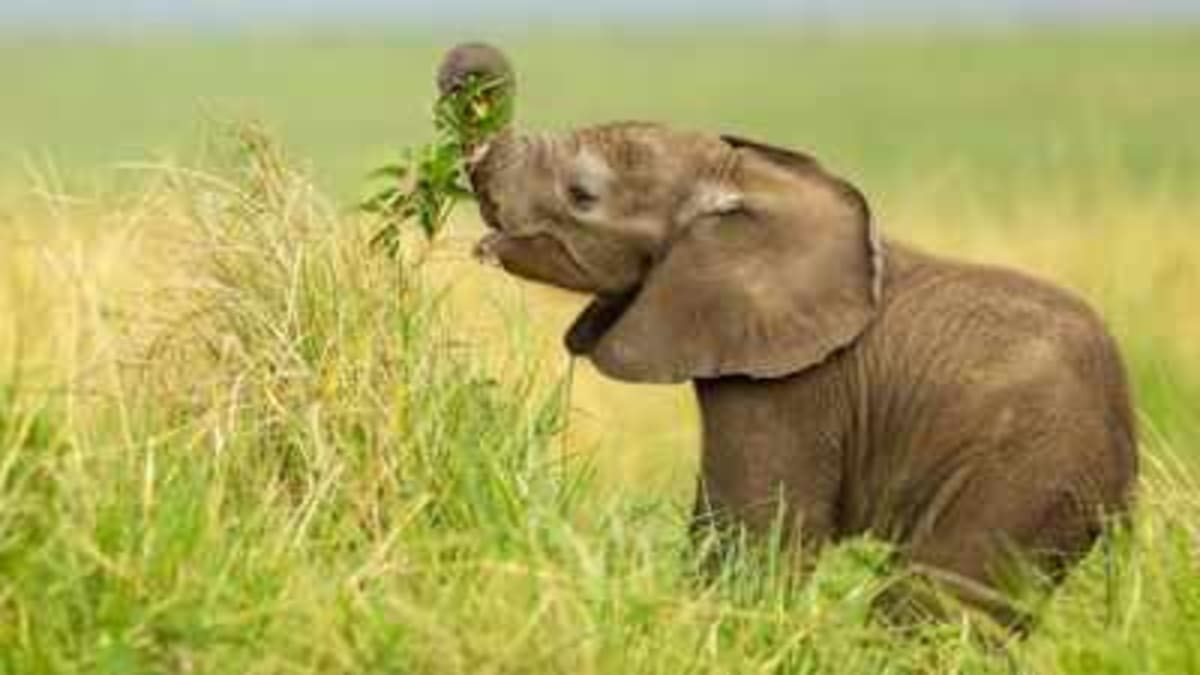
The most powerful sight might be an elephant peacefully grazing in a field where its arrival once meant disaster for an entire family.
More Images



Based on reporting by Times of India - Good News
This story was written by BrightWire based on verified news reports.
Spread the positivity!
Share this good news with someone who needs it