28 States Push Balcony Solar After Utah's Breakthrough
Americans are installing cheap DIY solar panels on their balconies and backyards to slash electricity bills by up to 20%. Following Utah's trailblazing legislation, 28 states are now drafting laws to make these $2,000 systems easier to install without utility red tape.
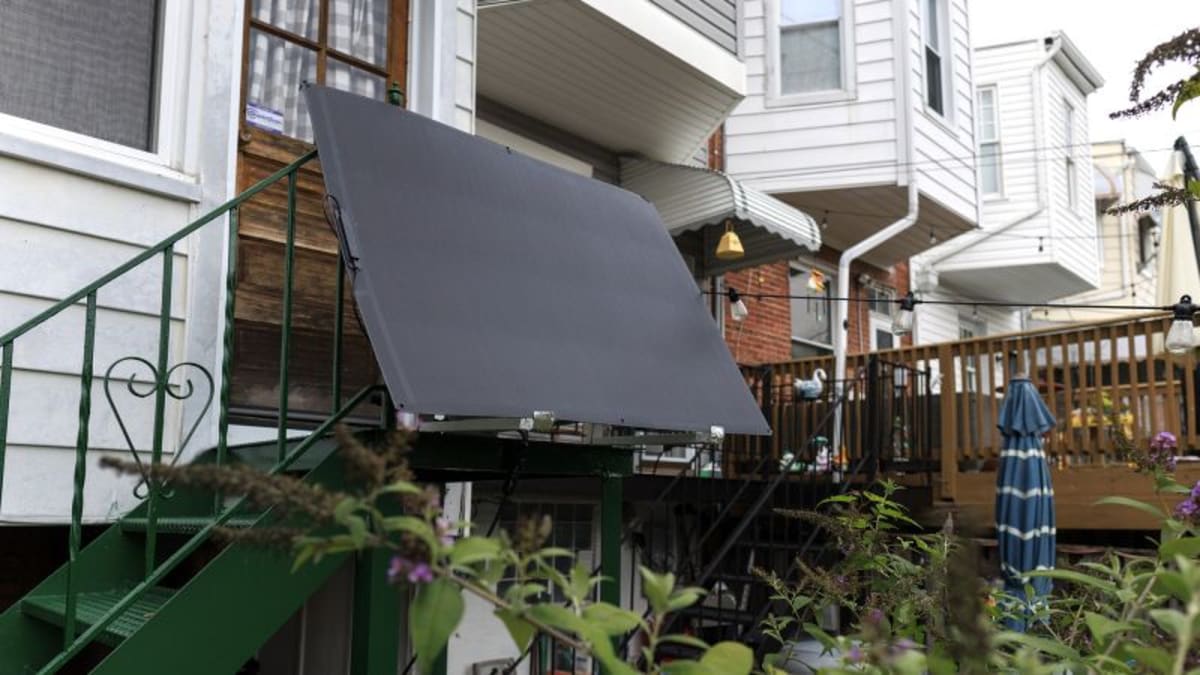
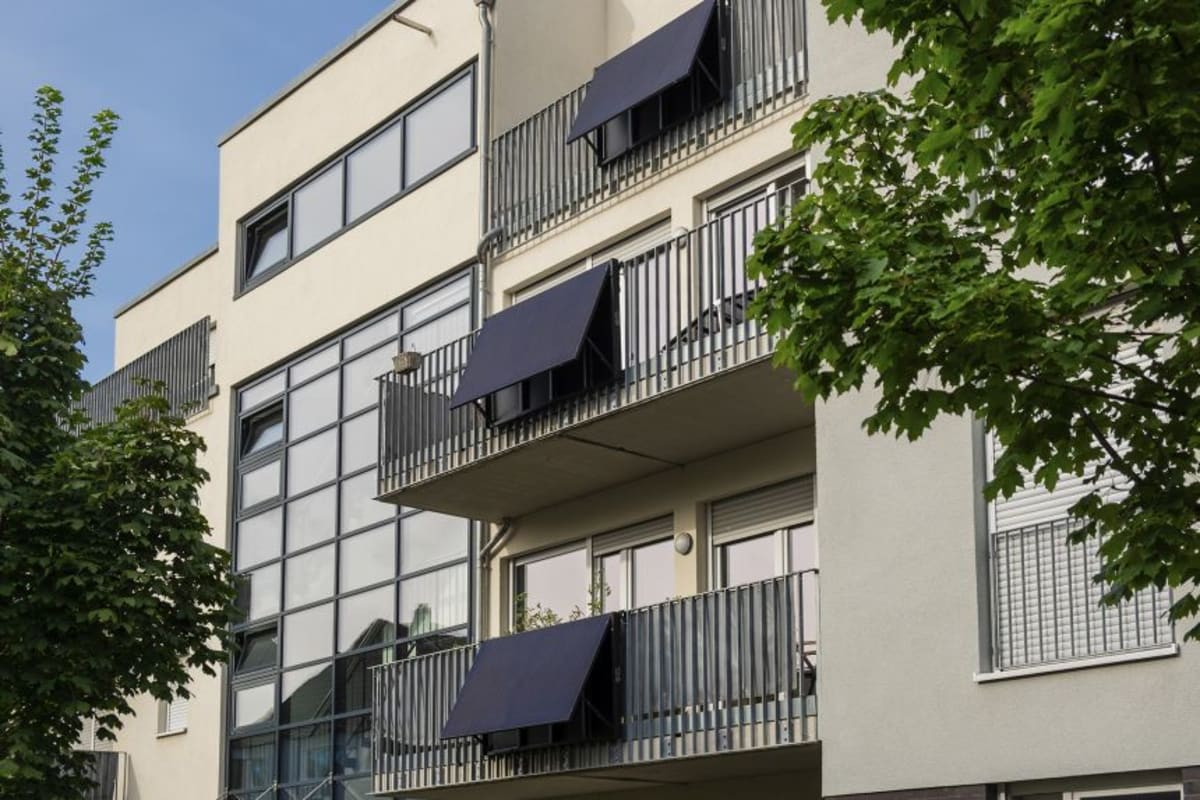
Americans fed up with rising electricity bills have discovered a surprisingly simple solution: plug-in solar panels that hang on balconies, prop up in backyards, and cost a fraction of traditional rooftop systems.
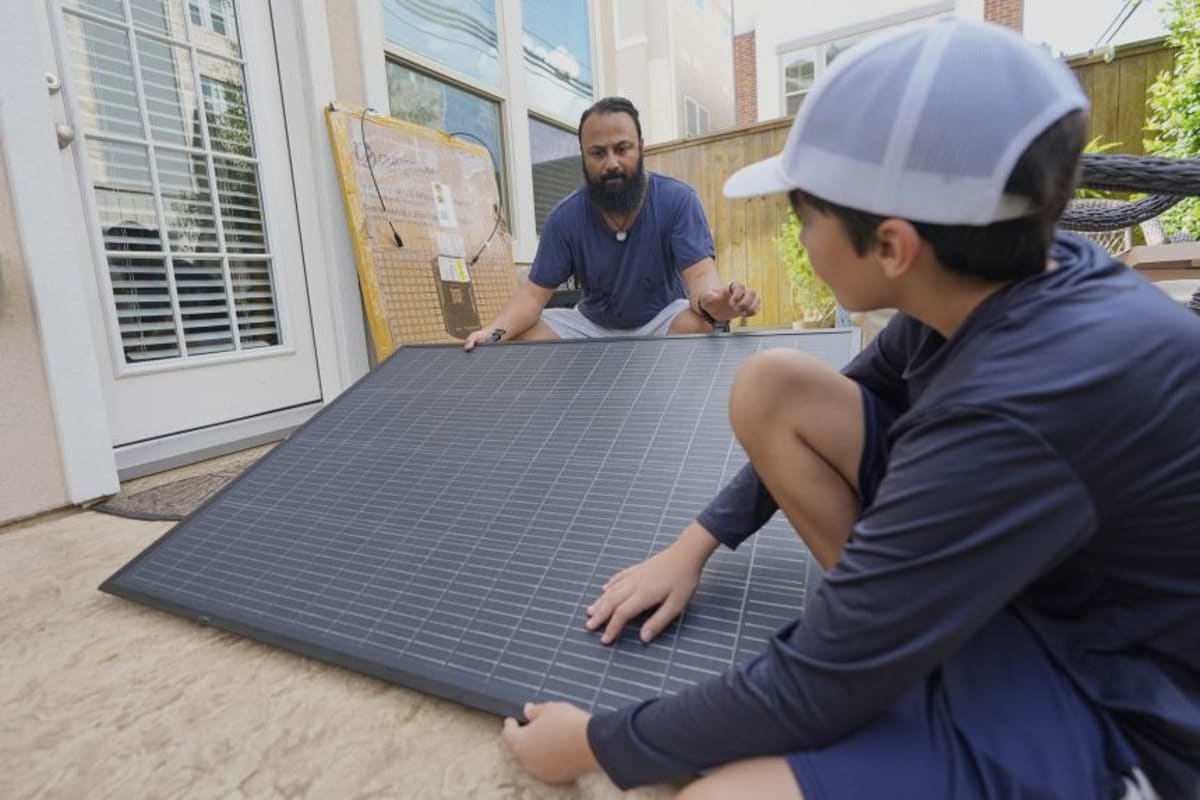
Agnes Chan, a retired Berkeley teacher, paid $2,000 for her backyard system and now saves $50 every month. The best part? She set it up herself in minutes, plugging it into a regular outlet like any household appliance.
These DIY solar kits work like mini power plants. People buy small panels, hang them almost anywhere, and plug them in to start generating electricity immediately. The only special equipment needed is a microinverter to convert solar energy into household power.
Germany pioneered this movement with 1.23 million registered systems, though the real number might reach 4 million. Germans can grab panels at Ikea for $235, and data shows these systems cut energy bills by 10% to 20%.
The catch? Most American states require lengthy utility company agreements before installation. That's why many people are going rogue, installing "guerilla solar" systems without telling anyone.
Utah Republican State Representative Ray Ward saw Germany's success and thought, why not here? Last year, he sponsored the first state bill allowing plug-in solar without utility agreements. Critics warned the systems would burn buildings down, but Ward pointed to Germany's years of safe operation.
The bill passed unanimously. Democrats loved the clean energy angle, Republicans appreciated the independence from utilities and government interference.
The Ripple Effect
Utah's breakthrough ignited a nationwide movement. At least 28 states including Washington, California, Oklahoma, and South Carolina now have similar bills in the works.
Jennifer Eden from Utah Clean Energy called the buzz "fairly remarkable." The appeal crosses party lines because everyone understands high electricity bills.
Some utilities and trade groups have raised safety concerns about overloaded circuits and shock hazards. Puget Sound Energy and the Association of Washington Business testified against Washington's draft bill, citing the lack of safety certification for complete systems.
However, neither organization opposes balcony solar in principle. "If we're able to address these issues, we could get to supporting the bill," a Puget Sound Energy spokesperson said.
For Chan and thousands like her, the three-year payback period made the decision easy. Her system will help heat her 100-year-old house this winter while shrinking her carbon footprint.
The movement represents something rare in today's climate debates: a solution that saves money, increases energy independence, and helps the planet, all while fitting into a tight budget.
More Images
Based on reporting by Google News - Clean Energy
This story was written by BrightWire based on verified news reports.
Spread the positivity!
Share this good news with someone who needs it