29 Banks Reject Papua New Guinea Gas Project Over Concerns
Twenty-nine major international banks have declined to fund a massive liquefied natural gas project in Papua New Guinea, citing environmental and human rights concerns. The decision marks a significant shift in how financial institutions evaluate infrastructure projects in vulnerable ecosystems.
Major banks around the world are drawing a line in the sand when it comes to protecting vulnerable communities and wildlife in Papua New Guinea.
Twenty-nine international banks and export credit agencies have publicly ruled out financing a proposed liquefied natural gas project led by French oil giant TotalEnergies. The institutions, including major players like BNP Paribas, Crédit Agricole, and ING, cited serious concerns about climate impact, environmental damage, and human rights.
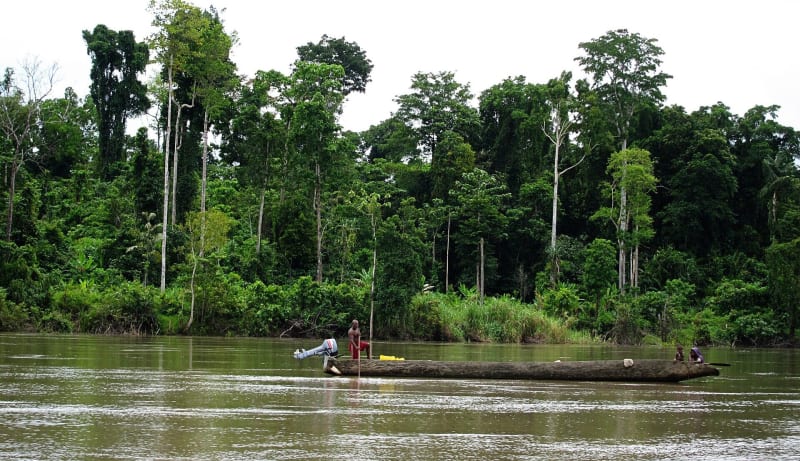
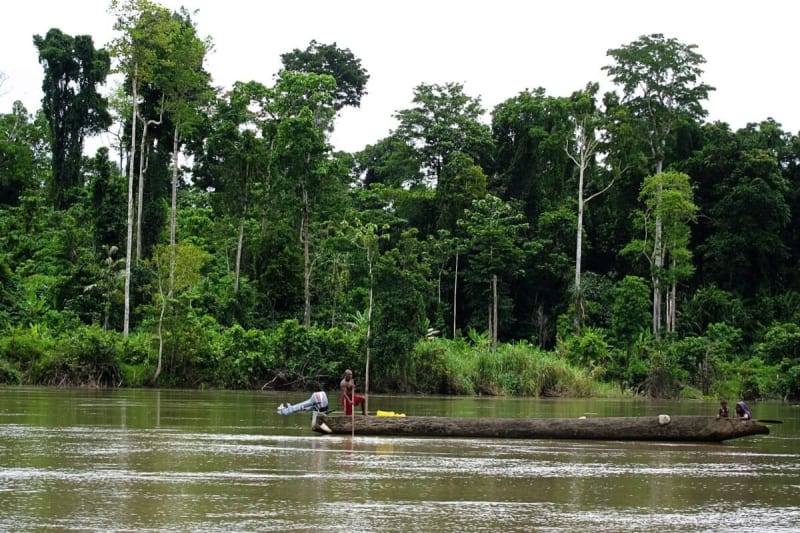
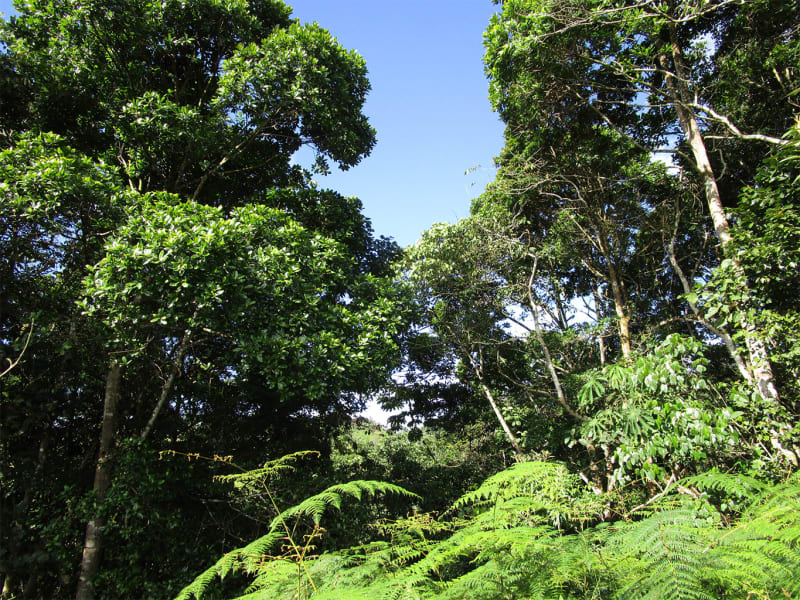
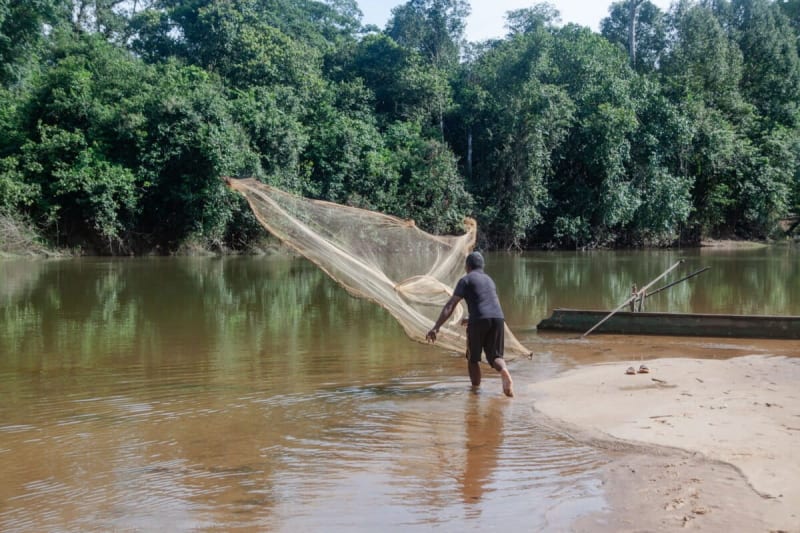
The proposed project would affect 39 villages and 12,700 people in Papua New Guinea's Gulf and Central provinces, most of whom are Indigenous. It would also impact a mountainous region home to roughly 100 species not yet studied by science, including the critically endangered Bulmer's fruit bat.
Six international conservation groups filed a formal complaint in December 2024 with the Equator Principles Association, arguing the project fails to meet basic environmental and social standards. The complaint highlighted concerns that local communities weren't properly consulted and that environmental impact assessments fell short of international requirements.
The project's planned pipelines would cross the Purari River and disturb offshore seabeds where marine life thrives. The infrastructure would also generate emissions equivalent to those of an entire country like Spain.
The Bright Side
This coordinated pushback from financial institutions shows how banking standards are evolving to prioritize people and planet alongside profit. Twelve banks joined the rejection list just recently, suggesting momentum is building rather than slowing.
The banks' decision demonstrates that international financial institutions are taking environmental and social risk assessments seriously. Their willingness to walk away from a major project signals to other companies that cutting corners on community consent and environmental protection has real financial consequences.
TotalEnergies says the project will proceed with other financing sources, but the message from these 29 institutions is clear: projects that threaten rare wildlife and Indigenous communities face growing scrutiny.
Financial accountability is becoming a powerful tool for protecting vulnerable ecosystems and the people who call them home.
More Images

Based on reporting by Mongabay
This story was written by BrightWire based on verified news reports.
Spread the positivity!
Share this good news with someone who needs it