3 Signs Your Garden Is Overheating (And How to Fix It)
That drooping plant in your summer garden might not need more water. Here's how to decode heat stress signals and actually help your struggling plants recover.
Your favorite garden plant is drooping in the summer heat, and your first instinct is to grab the hose and drench it. But what looks like thirst might actually be heat stress, and adding water to already wet soil could make things worse.
Gardening expert Angelika Zaber says the key is knowing what your plants are really telling you. Some wilting during peak afternoon sun is normal, but a plant that's still limp in the morning or evening needs attention.
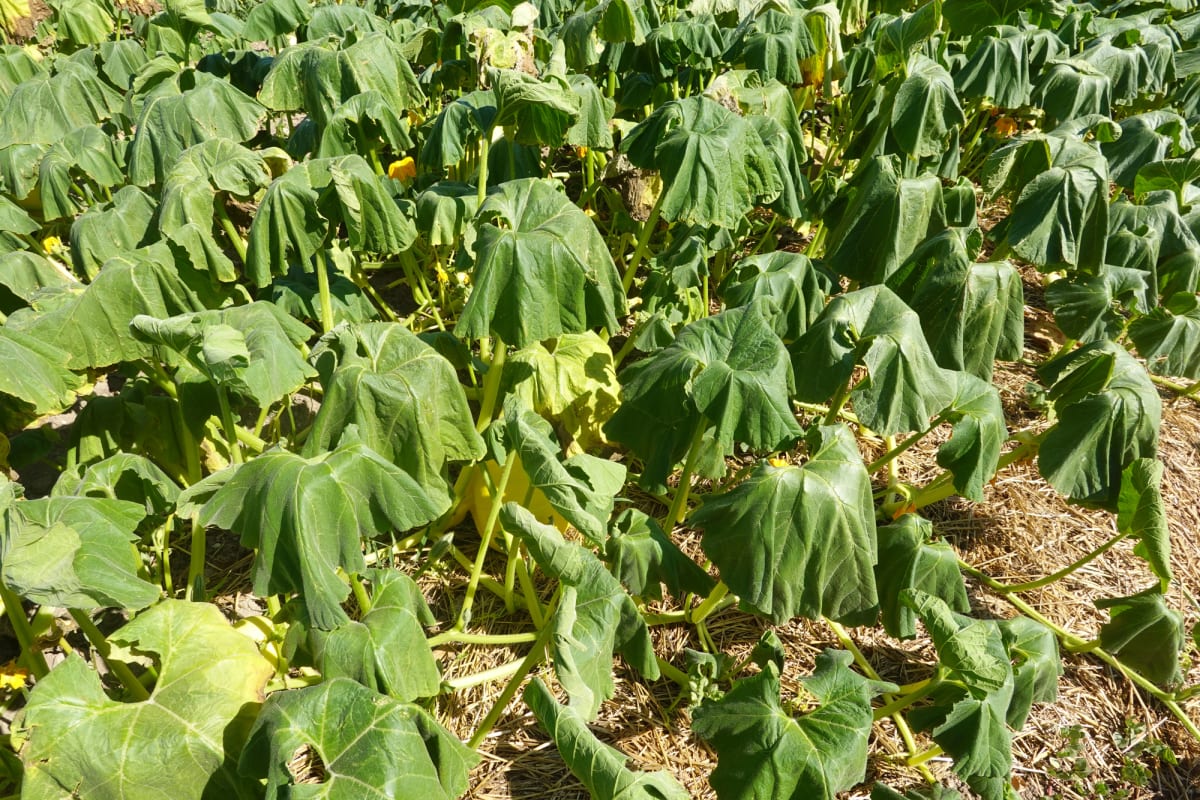
Heat stressed plants show three main warning signs. First is persistent wilting that doesn't recover overnight. Second is leaves that curl inward or develop brown, scorched edges as the plant tries to reduce sun exposure.
The third sign is sneakier: early blooming or unexpected leaf drop. When plants flower ahead of schedule, they're redirecting energy toward reproduction instead of survival. Dropping leaves helps them conserve precious water.
Before you do anything, check the soil itself. Stick your finger into the top two inches. If it's wet, more water will only compound the problem. If it's dry, that's your signal to act.
The secret weapon isn't always water. Mulch is what professionals reach for first because it slows evaporation, stabilizes root temperature, and improves soil over time. Zaber recommends organic mulch like well-rotted compost for the best results.
Water deeply in early morning before evaporation kicks in, and direct it at the roots rather than spraying leaves. Deep watering encourages roots to grow down where soil stays cooler, while frequent shallow watering keeps roots dangerously close to hot surface temperatures.
On brutal heat days, temporary shade helps even sun-loving plants. A shade cloth, old curtain, or bedsheet draped over struggling plants during peak afternoon hours can provide emergency relief.
Why This Inspires
This simple shift in approach shows how paying attention beats quick fixes every time. Gardeners who learn to read their plants' signals become better caretakers, and that lesson extends far beyond the backyard. Sometimes the best help isn't more of what we think something needs, it's pausing to understand what's really wrong first.
Your garden is tougher than you think with just three tools: morning water, a layer of mulch, and a little shade when things get rough.
Based on reporting by Optimist Daily
This story was written by BrightWire based on verified news reports.
Spread the positivity!
Share this good news with someone who needs it