3 SpaceX Alumni Build Water-Powered Spacecraft
Three visionary brothers are proving that the future of space exploration does not require complex, toxic fuels. Their startup, Argo Space, is creating innovative spacecraft propelled entirely by ordinary water.
Imagine gazing into the night sky and knowing that ordinary water is propelling humanity across the cosmos. Three ambitious brothers are turning that poetic vision into reality with a breakthrough propulsion system that makes spaceflight cleaner and simpler.
Robert, Ryan, and Kirby Carlisle spent years at SpaceX helping build the Falcon 9 launch revolution. When the time came to build their own company, they chose to solve the bottleneck that begins after rockets leave the launchpad.
During their time refurbishing and launching rockets, the brothers realized that hauling heavy, hazardous fuel from Earth creates immense logistical hurdles. They envisioned a future where spacecraft maneuver freely without depending on Earth-bound chemical supply chains.
In late 2022, they founded Argo Space to build a dependable transportation network across the stars. Their core insight was refreshingly straightforward: space travelers should rely on resources already waiting for them in the heavens.
Water exists across our solar system, from shadowy lunar craters to distant icy comets. For the Carlisle brothers, it represents the ideal multi-purpose fuel, acting as a propellant, an efficient thermal coolant, and a shield against radiation.
Traditional spacecraft rely on volatile, cryogenic propellants that boil off and require bulky, complex tanks. Argo Space bypasses that risk entirely by launching safe, stable liquid water stored at modest pressures.
Once high above our atmosphere, the spacecraft uses solar electricity to split that water into pure hydrogen and oxygen gases. An onboard rocket engine then burns those gases, generating far more thrust than conventional electric ion drives while maintaining remarkable efficiency.
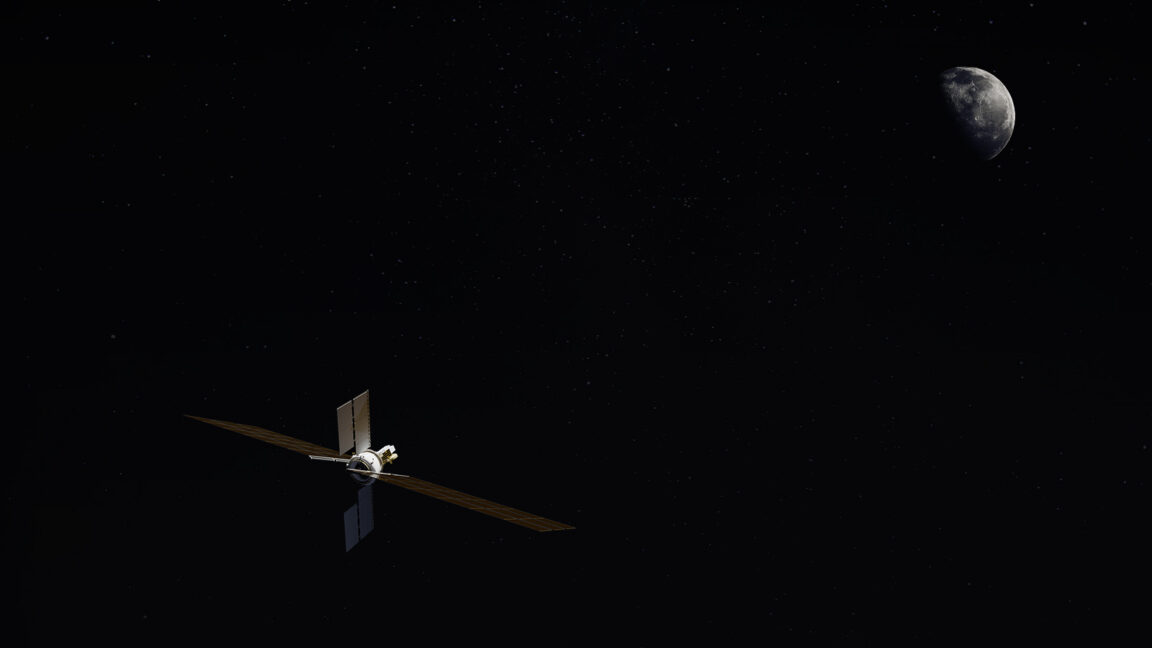
The brothers designed their upcoming spacecraft, Chiron, to pack this ingenious water engine into a nimble 200-kilogram frame. Scheduled for two landmark flights in 2027, Chiron will demonstrate orbital maneuvers that can boost satellites thousands of kilometers higher or maintain their positions for decades.
Following Chiron, the team plans to deploy a heavy-duty transport vessel called Argonaut to haul substantial commercial cargo across deep space. Because the Moon holds vast stores of water ice in a shallow gravity well, these vehicles can eventually refuel right in space.
The Ripple Effect
Switching to water propulsion could fundamentally transform the economics of space exploration. Instead of abandoning satellites when their thrusters run dry, servicing vehicles can refuel, reposition, and repair critical infrastructure in orbit.
This closed-loop transportation network turns space into a cooperative ecosystem, reducing orbital debris while paving an affordable path toward lunar settlements.
Our journey into the boundless frontier of space is accelerating, guided by the very element that sustains life on Earth.
More Images
Based on reporting by Ars Technica
Building Something New? Try the BrightWire Tech Stack Advisor
Compare modern frameworks, cloud hosting, and AI tools tailored to your project budget and scale.
Spread the positivity!
Share this good news with someone who needs it