3,000-Year-Old Mystery Burial Found in El Salvador
Archaeologists in El Salvador discovered a skeleton buried face-down nearly 3,000 years ago, clutching a ceramic sea turtle that may unlock secrets about ancient beliefs. The find challenges old assumptions about violence and points toward a fascinating understanding of the cosmos.
A burial that's waited 3,000 years beneath El Salvador's soil is finally revealing its secrets, and the story might be more beautiful than anyone expected.
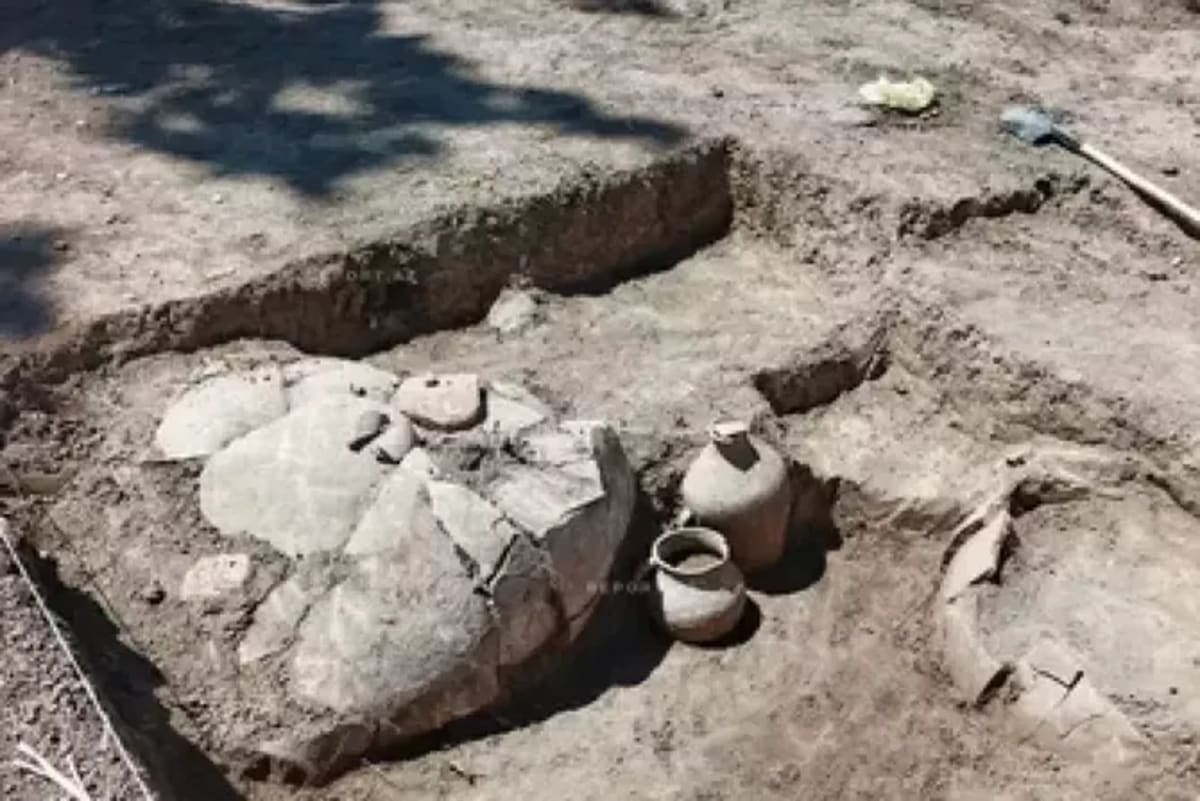
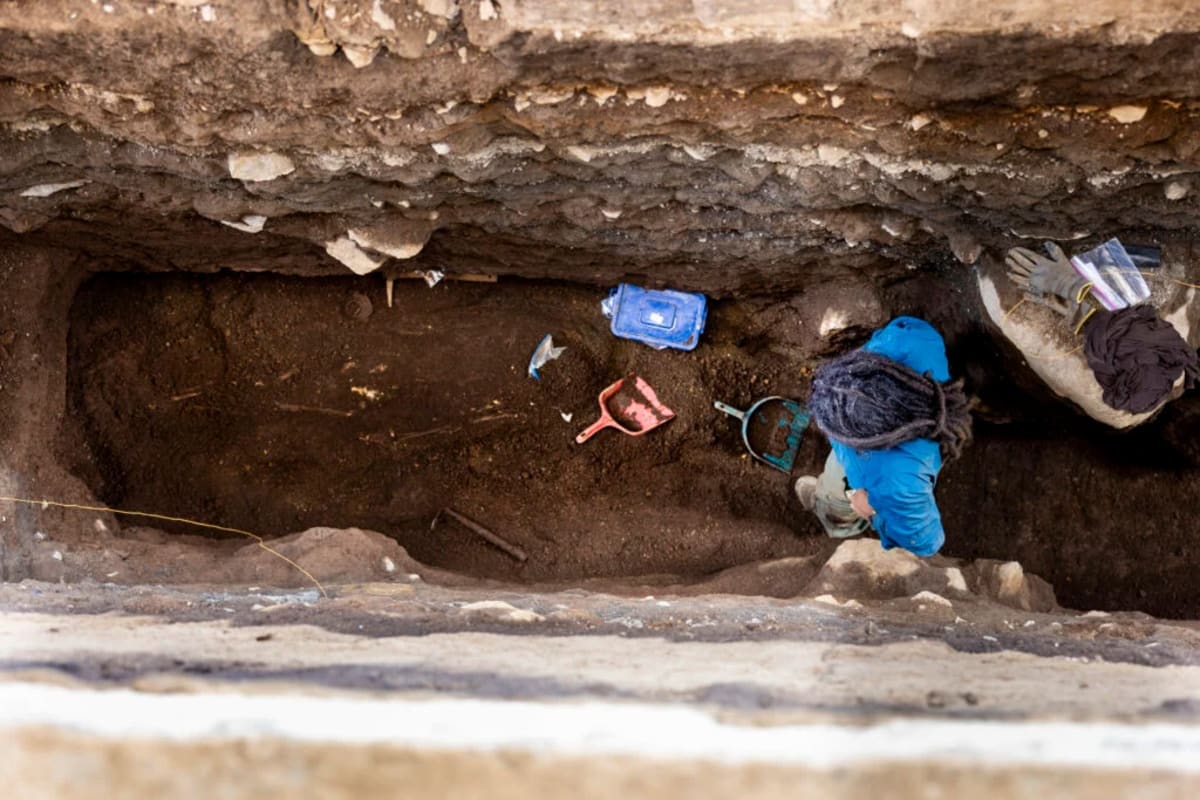
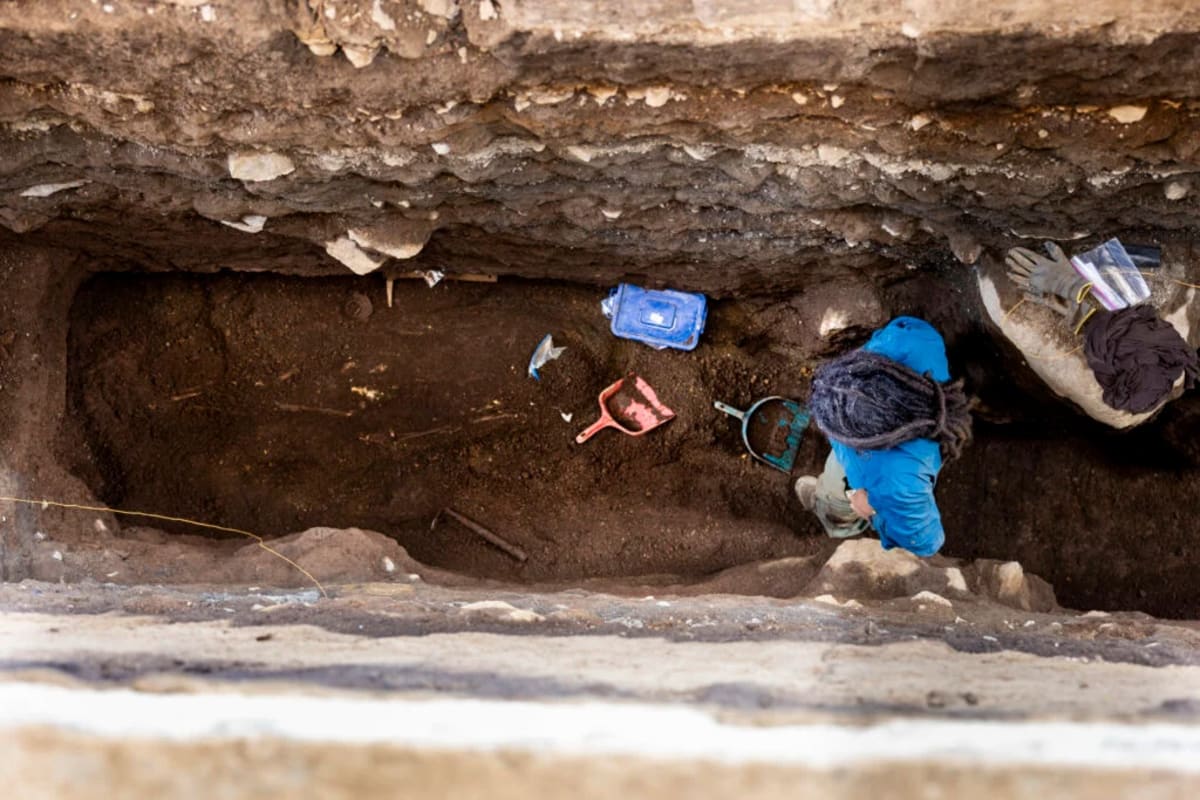
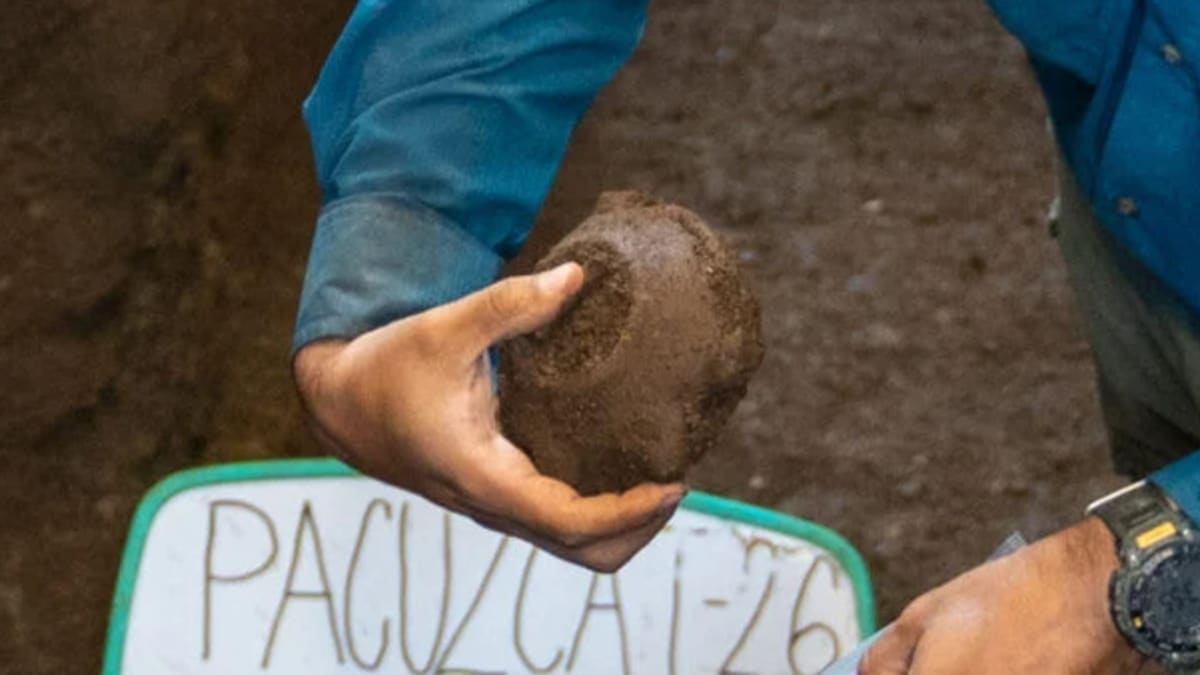
Archaeologist Carlos Flores Manzano uncovered the unusual skeleton in Antiguo Cuscatlán this past July, buried beneath volcanic ash from an eruption around 850 B.C. The person was laid face down with a ceramic vessel shaped like a sea turtle near their hand.
For decades, archaeologists assumed similar burials from this period were evidence of human sacrifice. In the 1970s, researcher William Fowler found 33 skeletons at a nearby site that appeared to have bound hands and feet, leading to grim conclusions about war captives.
But Flores Manzano, a doctoral student at Yale University, thinks the old interpretation missed something important. The face-down position and carefully placed sea turtle might not represent violence at all.
Instead, this burial could reveal how ancient people understood the universe and the afterlife. The sea turtle vessel may connect to Orion's Belt, which later Maya cultures saw as part of a sacred cosmic journey.
Why This Inspires
This discovery shows how science keeps evolving toward more complete truths. What once looked like evidence of brutality may actually demonstrate spiritual sophistication and reverence for the cosmos. The careful placement of that sea turtle suggests someone was honored and prepared for an important journey, not discarded as a sacrifice.
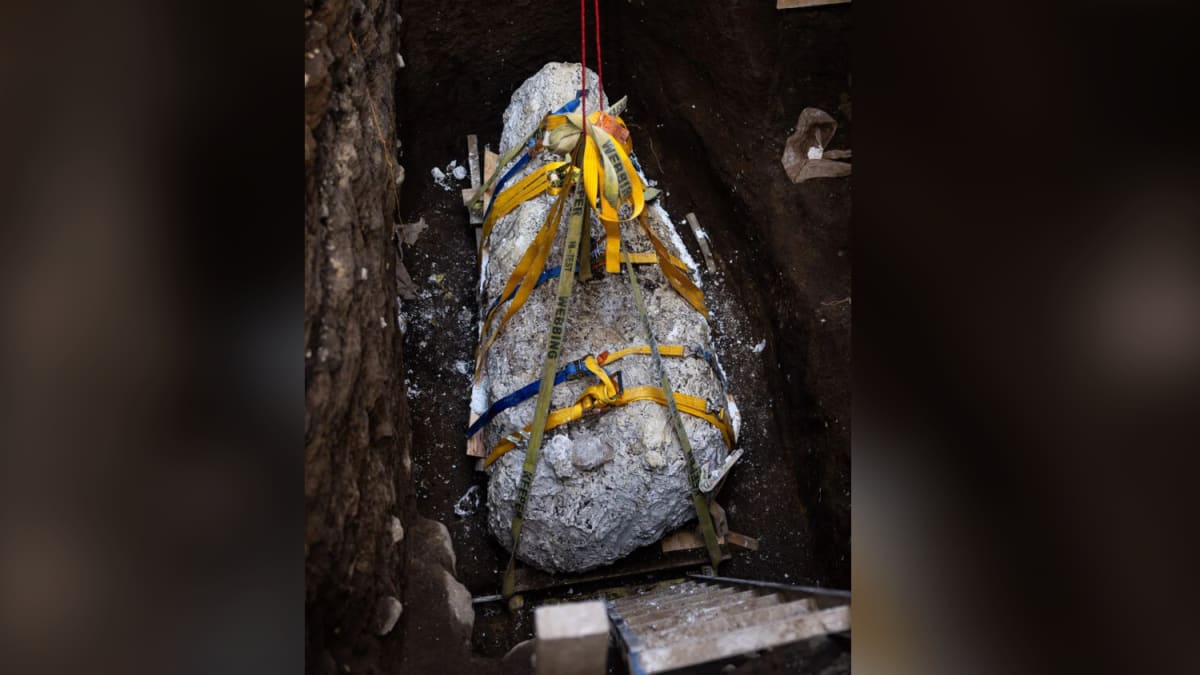
The team encased the fragile burial in plaster to preserve it for detailed study. Over the next year, chemical analysis will reveal details about this person's life, diet, and final days.
More burials likely wait beneath the ground in this area. Each one could add another piece to understanding how these pre-Maya societies viewed life, death, and the stars above.
Three thousand years later, someone's cosmic journey is teaching us to question our assumptions and look for beauty where we once saw only darkness.
More Images

Based on reporting by Live Science
This story was written by BrightWire based on verified news reports.
Spread the positivity!
Share this good news with someone who needs it