30,000 Endangered Salmon Return to California Rivers
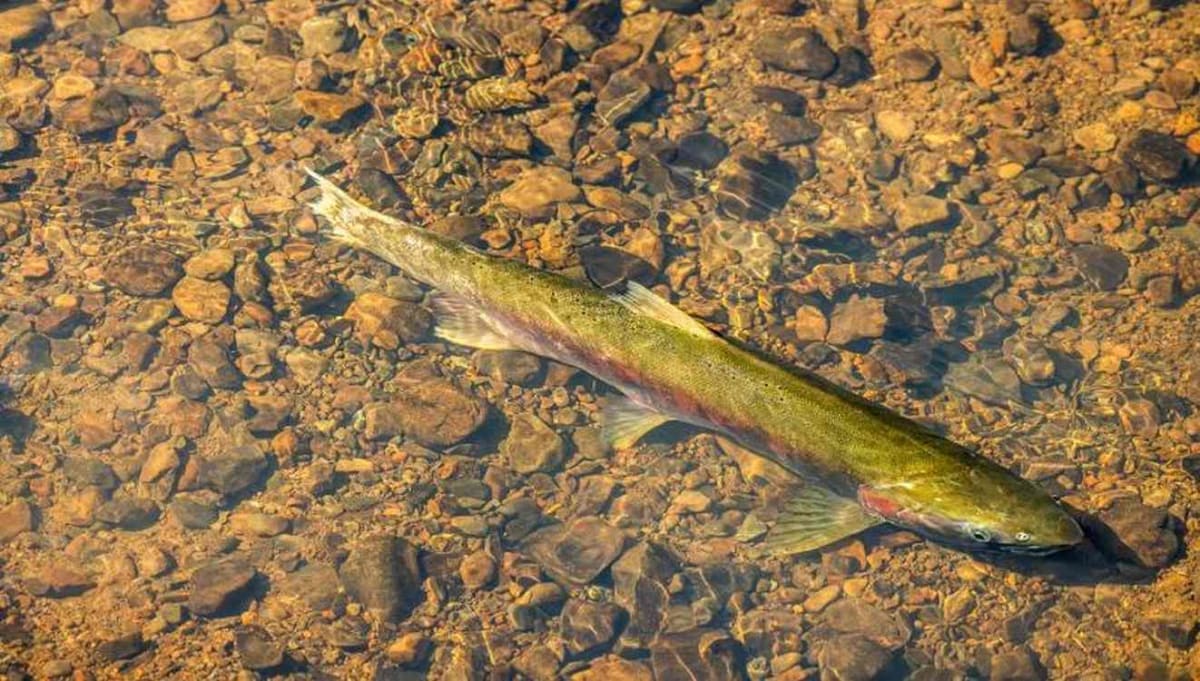
Record numbers of endangered coho salmon are swimming up California's Mendocino coast rivers for the first time in decades. Scientists who never expected to see this comeback in their lifetimes say targeted habitat restoration is working.
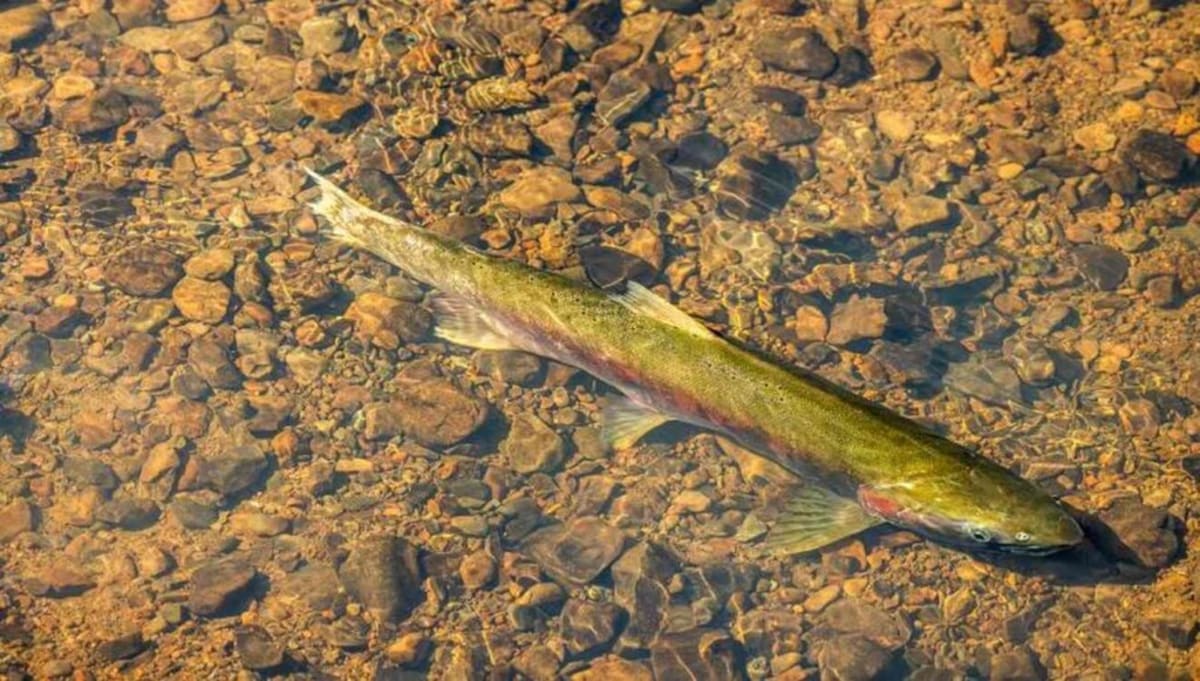
A record 30,000 coho salmon just returned to central California rivers, a tenfold increase from the 3,000 average over the past decade and proof that bringing endangered species back from the brink is possible.
Scientists working along the Mendocino coast are celebrating numbers they thought they'd never witness in their careers. The central California coast coho salmon, the most endangered subset of the species, had vanished completely from some waterways.
"I am overjoyed. Everybody's just ecstatic about how many coho there are," said Joe Pecharich, a NOAA Marine Habitat Resource Specialist who has supported restoration projects in the region for 20 years. "Many of us never thought we'd see something like this in our lifetime."
The dramatic comeback stems from over 100 small improvement projects launched before the new millennium. NOAA brought together an unusual coalition of partners including timber companies, tribes, conservation groups, and Trout Unlimited to restore the Mendocino coast river systems.
The fixes sound simple but made all the difference. Teams widened undersized road culverts, removed log jams blocking fish passage, and restored straightened waterways back to their natural meandering shapes across the North Fork Navarro, Noyo, Garcia, and Big River watersheds.
Last summer, NOAA and The Nature Conservancy completed the largest habitat restoration project ever in the Ten Mile watershed. The results came faster than anyone expected.
"It's been amazing to see how quickly coho will occupy new habitat," said Peter van de Burgt, The Nature Conservancy's North Coast Restoration project manager. "Just days after the excavators roll out, the fish will start to swim in."
The Ripple Effect
The salmon aren't just returning in larger numbers. They're spreading to places where they'd disappeared entirely.
Usal Creek hadn't seen a living coho in 10 years. The Gualala River watershed hadn't recorded any in two decades. Both waterways now host adult salmon migrating upstream and juveniles heading back to the ocean.
Early counts from this spring show the momentum continuing, with 400 coho already spotted on the North Fork Navarro River alone, far beyond normal estimates.
Joshua Fuller, NOAA's Coastal California Branch Supervisor, says the success demonstrates what's possible when multiple factors align. "Recovering salmon is undeniably challenging, particularly for a species that must successfully navigate both freshwater and marine ecosystems during its lifetime," he explained. "These numbers are very encouraging and demonstrate that recovery is possible."
The comeback offers hope for other struggling species and proof that collaborative conservation efforts can reverse even dire situations.
More Images



Based on reporting by Good News Network
This story was written by BrightWire based on verified news reports.
Spread the positivity!
Share this good news with someone who needs it