300,000 Sea Turtles Nest on Mexican Beach in Mass Event
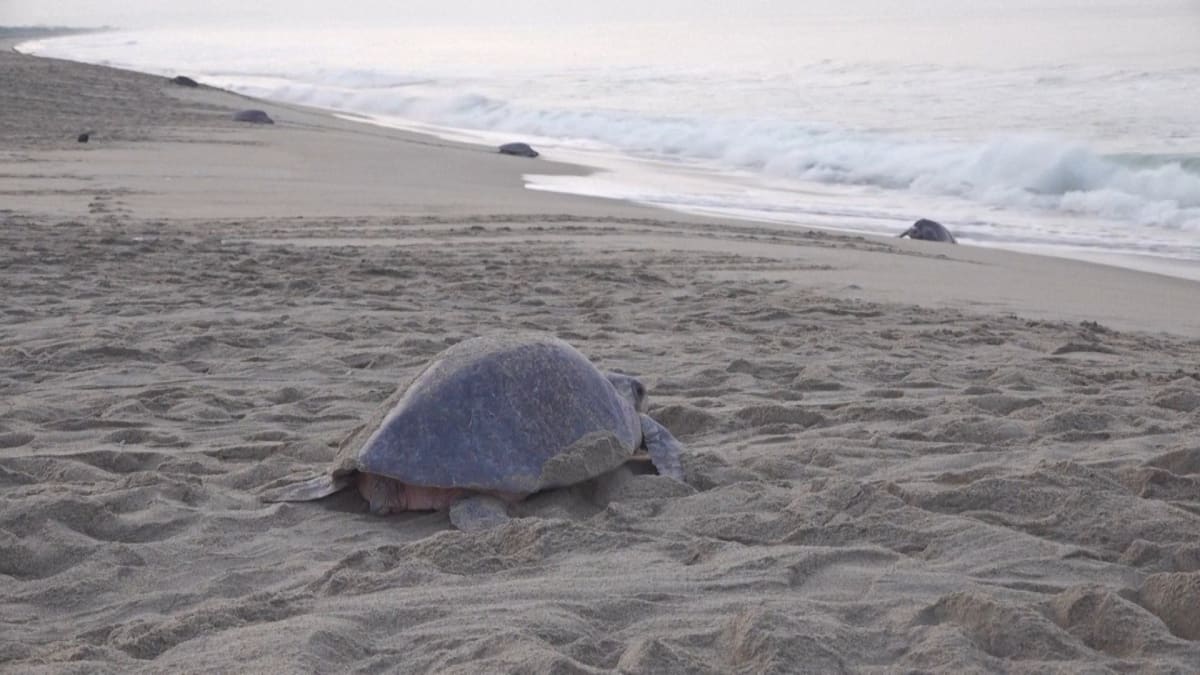
More than 300,000 olive ridley sea turtles have descended on a southern Mexican beach in a spectacular mass nesting event. The arrival represents one of nature's most incredible displays of wildlife survival and instinct.
Imagine standing on a beach watching hundreds of thousands of sea turtles emerge from the ocean at once, creating a living carpet of ancient mariners returning home.
That's exactly what happened recently at a beach in southern Mexico, where more than 300,000 olive ridley turtles arrived for their mass nesting event. Thousands of these remarkable creatures surged ashore together in what scientists call an "arribada," a synchronized nesting phenomenon that happens only a few times each year.
The olive ridley is one of the smallest sea turtle species, weighing around 100 pounds when fully grown. These turtles travel thousands of miles across the Pacific Ocean before returning to the exact beaches where they were born to lay their own eggs.
During an arribada, female turtles come ashore in waves over several days and nights. Each turtle digs a nest in the sand, lays between 80 and 120 eggs, covers them carefully, and returns to the sea.
This particular beach in southern Mexico has become one of the most important nesting sites for olive ridley turtles in the world. Local conservation groups and government agencies have worked for decades to protect these nesting areas from development and poaching.
The mass nesting strategy is nature's way of overwhelming predators. When hundreds of thousands of turtles nest at once, the sheer numbers ensure that many hatchlings will survive despite threats from birds, crabs, and other predators.
The Bright Side
While the article mentions climate concerns, the fact that 300,000 turtles are showing up to nest is actually encouraging news. These numbers demonstrate that conservation efforts are working and that olive ridley populations are stable enough to produce these massive arribadas.
The turtles' return also shows the power of protected marine habitats. When we give wildlife space to thrive, they respond with spectacular displays of resilience.
Local communities have rallied around turtle protection, with volunteers patrolling beaches during nesting season to ensure the turtles can lay their eggs safely. This community involvement creates lasting environmental stewardship that benefits all marine life.
A third of a million turtles choosing your beach means you're doing something right.
Based on reporting by Al Jazeera English
This story was written by BrightWire based on verified news reports.
Spread the positivity!
Share this good news with someone who needs it