304 Humpback Whales Spotted in One Day Off South Africa
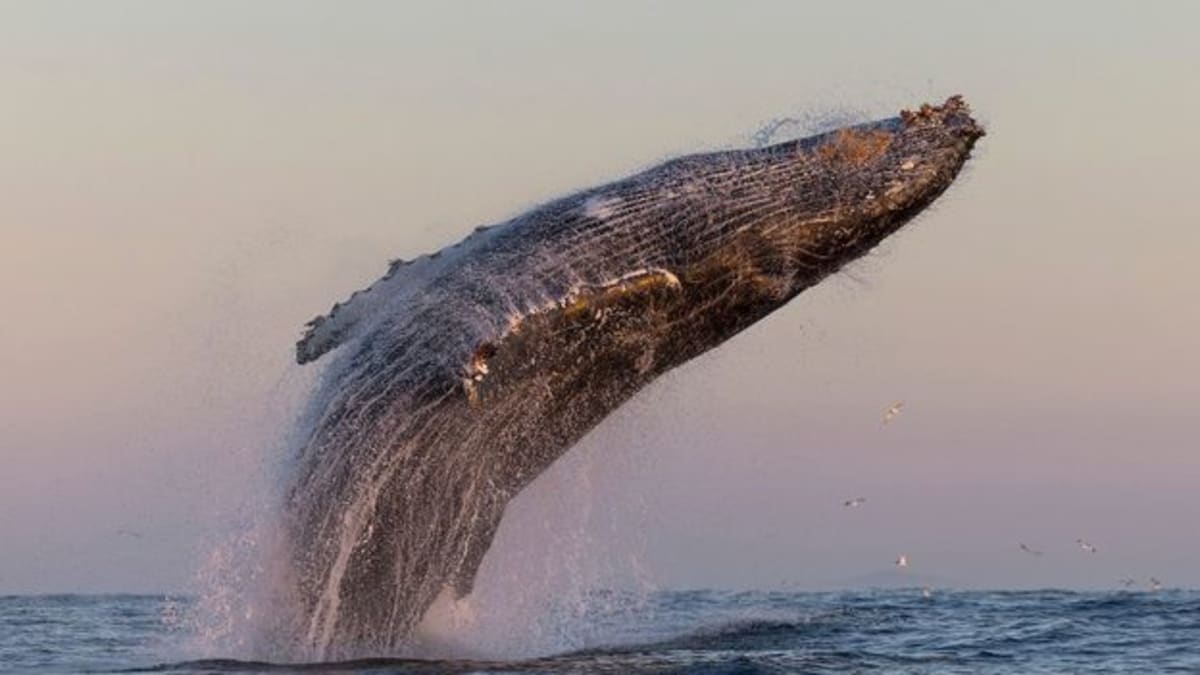
Photographers captured 304 individual humpback whales in a single day off South Africa's coast, the highest number of large whales ever identified in one day. The spectacular sighting marks a stunning comeback for a species that was nearly wiped out by industrial whaling.
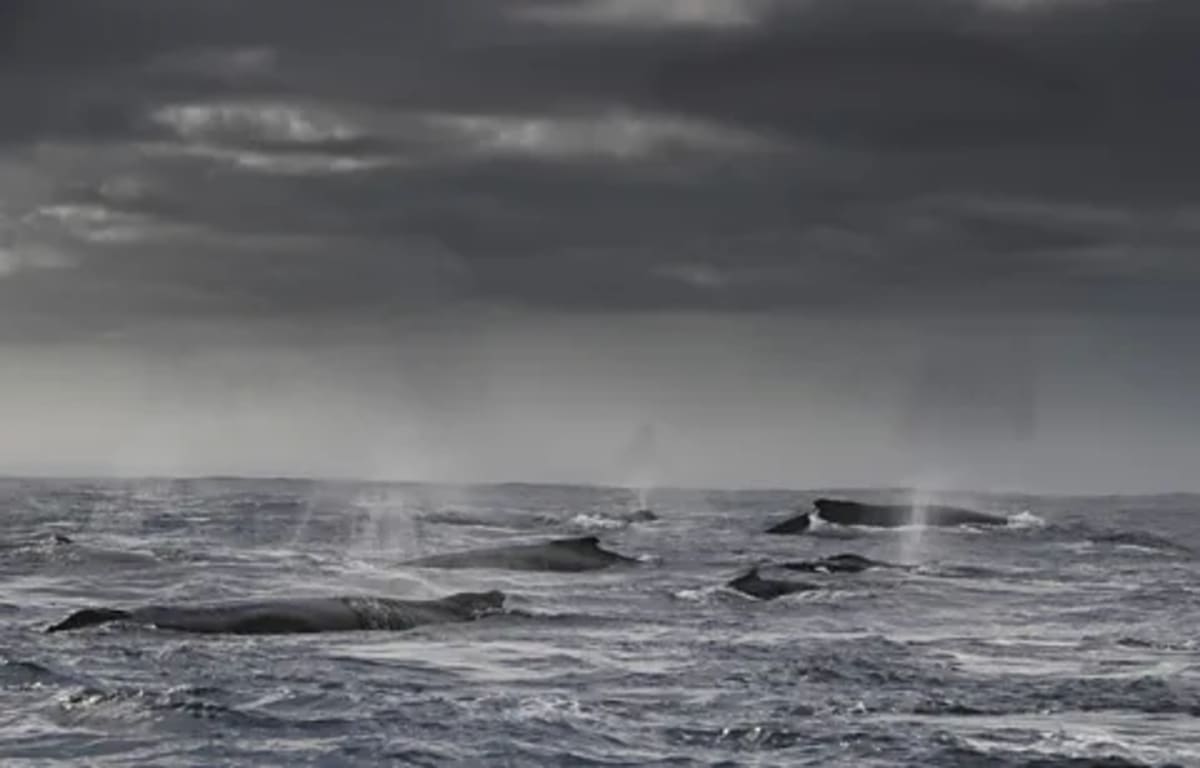
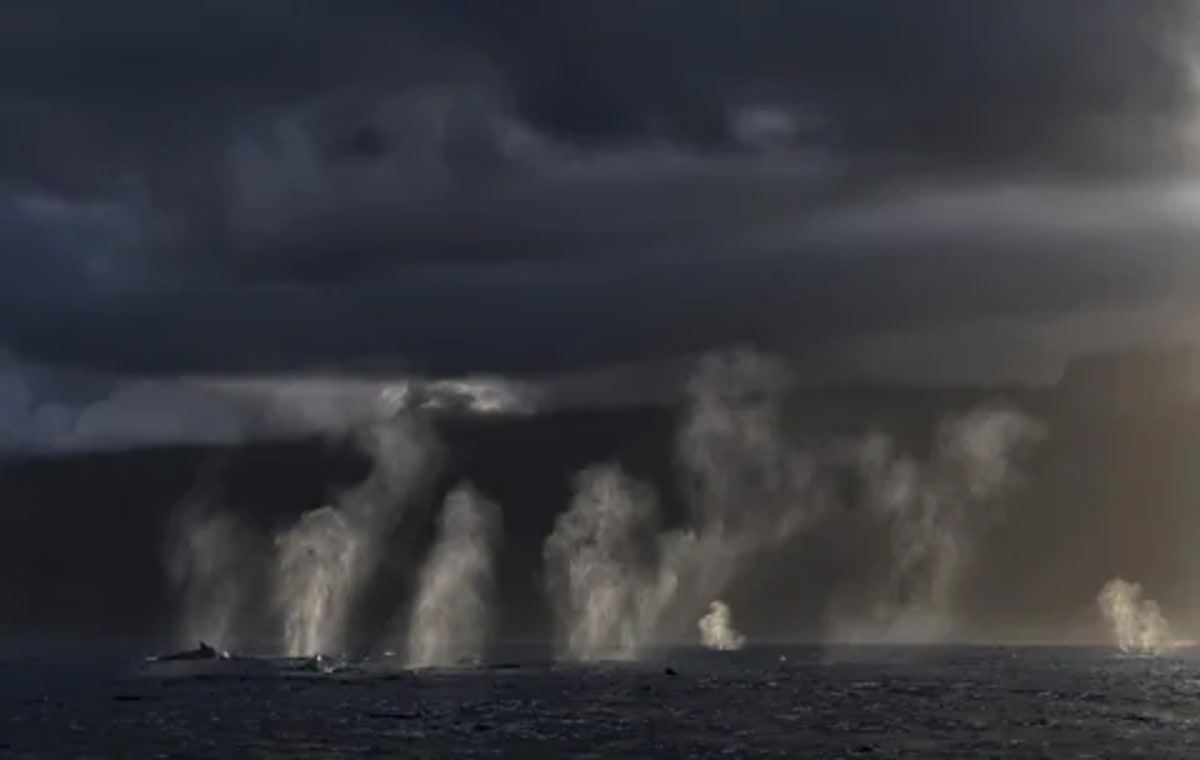
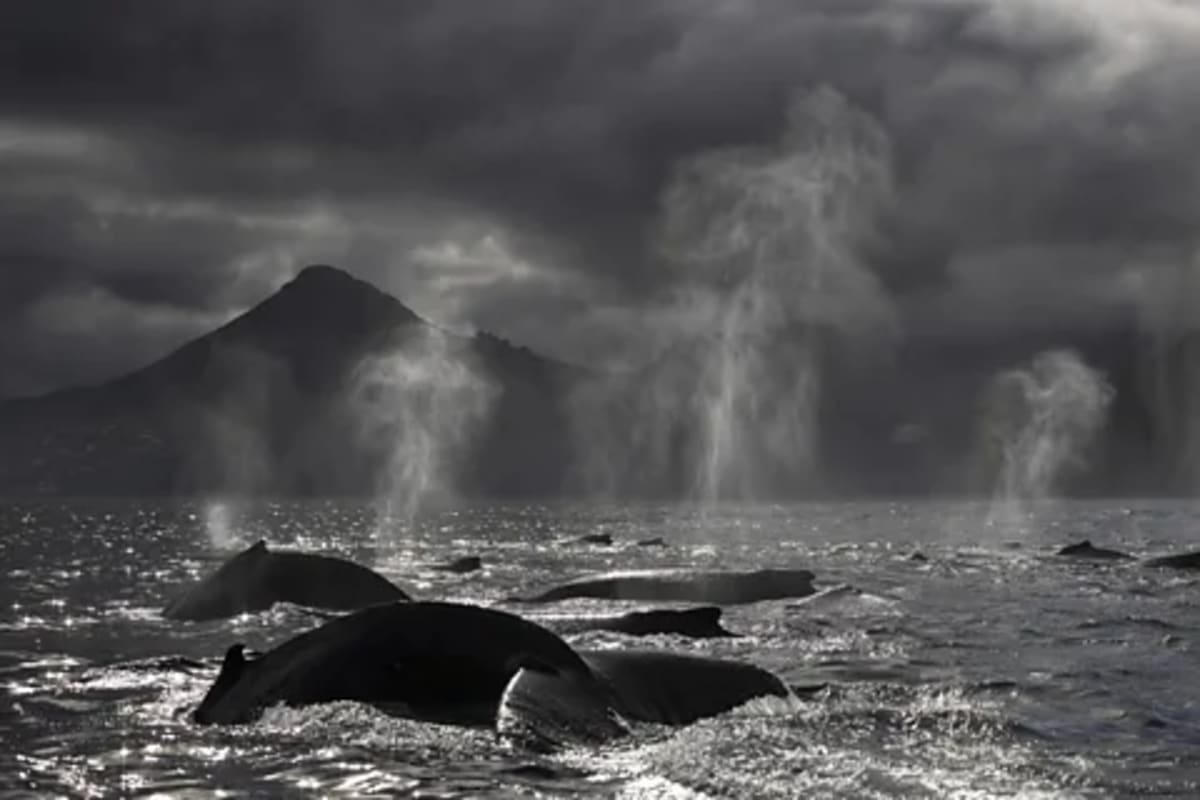
When Monique and Chris Fallows spotted their first humpback super-group off South Africa's coast in December 2025, the whales' synchronized breathing looked like "a Manhattan skyscraper skyline" rising from the ocean.
Over two extraordinary days, the photographer couple documented 208 humpback whales on December 29, then shattered that record with 304 individuals the following day. That's the greatest number of large whales ever identified in a single day in recorded history.
The numbers tell an incredible comeback story. Industrial whaling in the 20th century virtually destroyed humpback populations, leaving less than 5% of their original numbers swimming in our oceans. But 40 years ago, a global whaling moratorium changed everything.
Today, humpback whales are surging back to life. In the southern hemisphere, populations are growing by up to 12% each year, with some areas experiencing explosive growth.
Scientists are witnessing something they've rarely seen before: humpback super-groups. These gatherings of 20 or more whales, swimming within five body-lengths of each other, have skyrocketed off South Africa's west coast. Between 2015 and 2020, annual sightings jumped from 10 to 65.
Marine biologist Simon Elwen remembers when seeing just one or two whales during surveys in the early 2000s was cause for celebration. "Today, seeing groups of hundreds of whales in a day is perfectly normal," he says.
Experts aren't certain why these super-groups are forming now. The gatherings might relate to changing prey availability, new feeding strategies, or simply the return of natural behaviors that disappeared when populations crashed.
The Ripple Effect
The recovery of humpback whales reaches far beyond their species. These ocean giants migrate up to 5,000 miles each year between breeding and feeding grounds, transporting massive amounts of nutrients across the globe. Their presence plays a vital role in keeping marine ecosystems healthy and balanced.
The surge in whale numbers is transforming coastal communities too. Whale watching companies that once struggled to find a single animal now guide visitors through waters teeming with life.
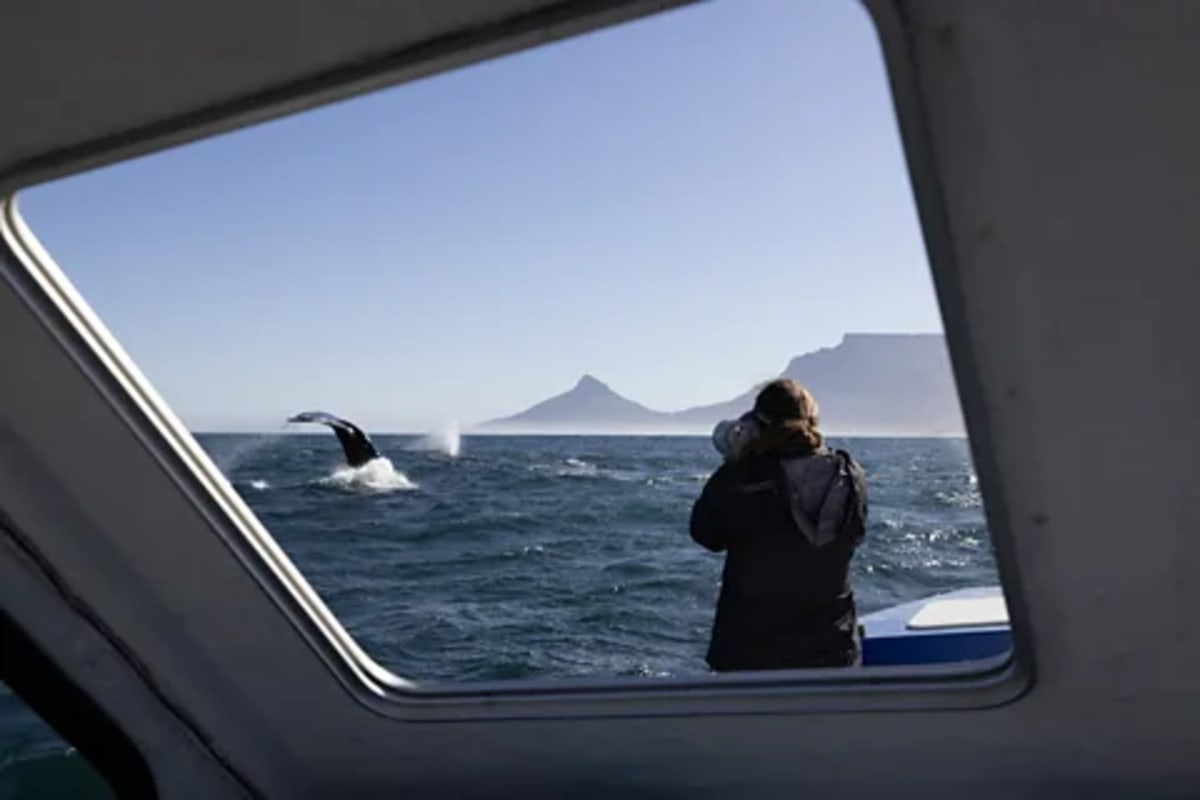
To capture their record-breaking images, Monique and Chris woke at 3:45 AM on New Year's Eve, listening in the pre-dawn darkness for the thunderous sound of 40-ton whales breaching the surface. They submitted their photographs to Happywhale, a citizen science project that tracks marine mammals worldwide.
Being surrounded by hundreds of these gentle giants is "a complete sensory overload," says Monique. The experience reminds us that even our most devastating mistakes can sometimes be reversed when we choose protection over exploitation.
More Images
Based on reporting by BBC Future
This story was written by BrightWire based on verified news reports.
Spread the positivity!
Share this good news with someone who needs it