3,200 Homes Became Schools During Kosovo's Occupation
When Serbian forces locked Albanian students out of schools in 1991, families throughout Kosovo turned their living rooms into classrooms. For nine years, over 3,200 private homes kept an entire generation educated under occupation.
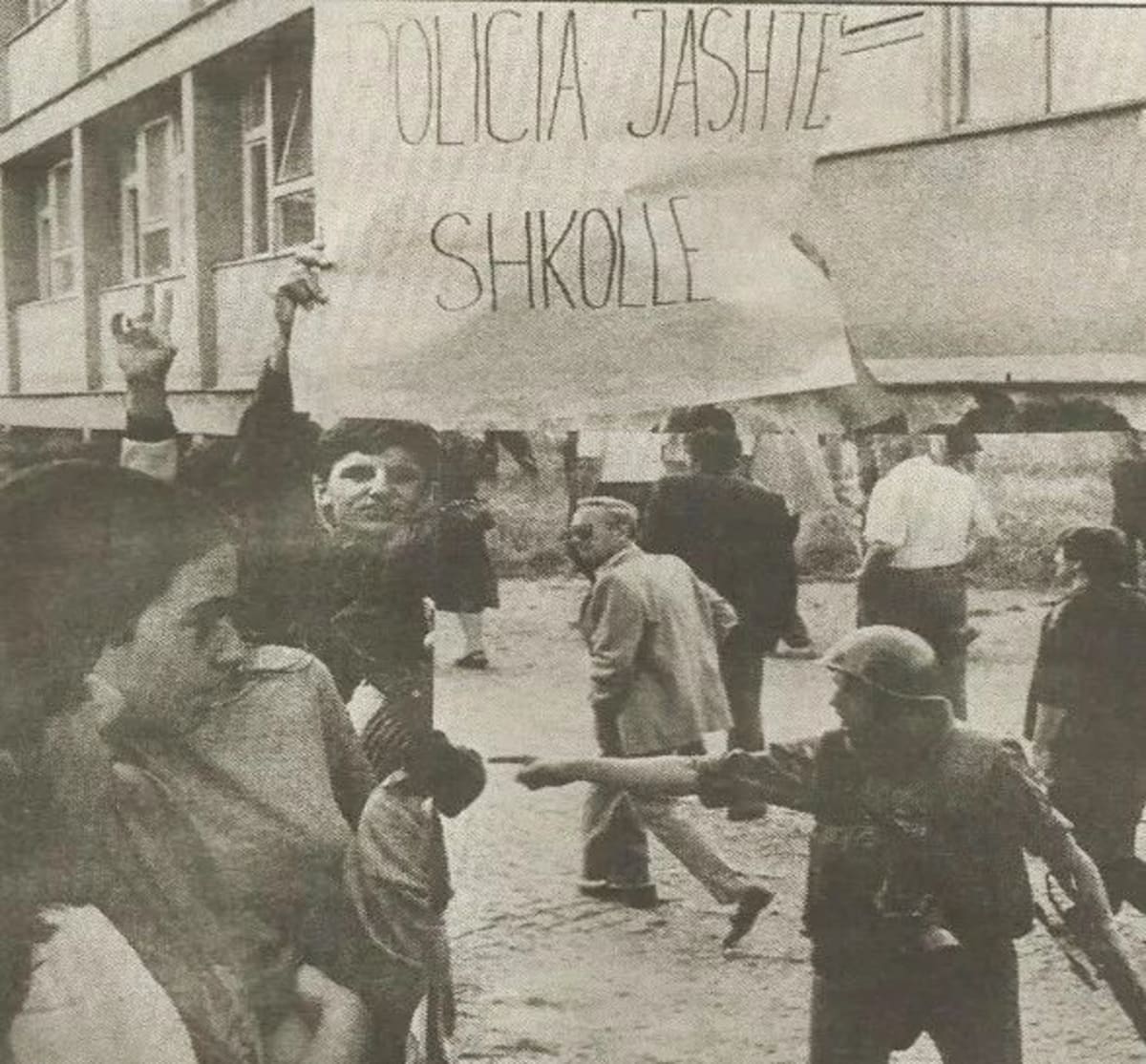
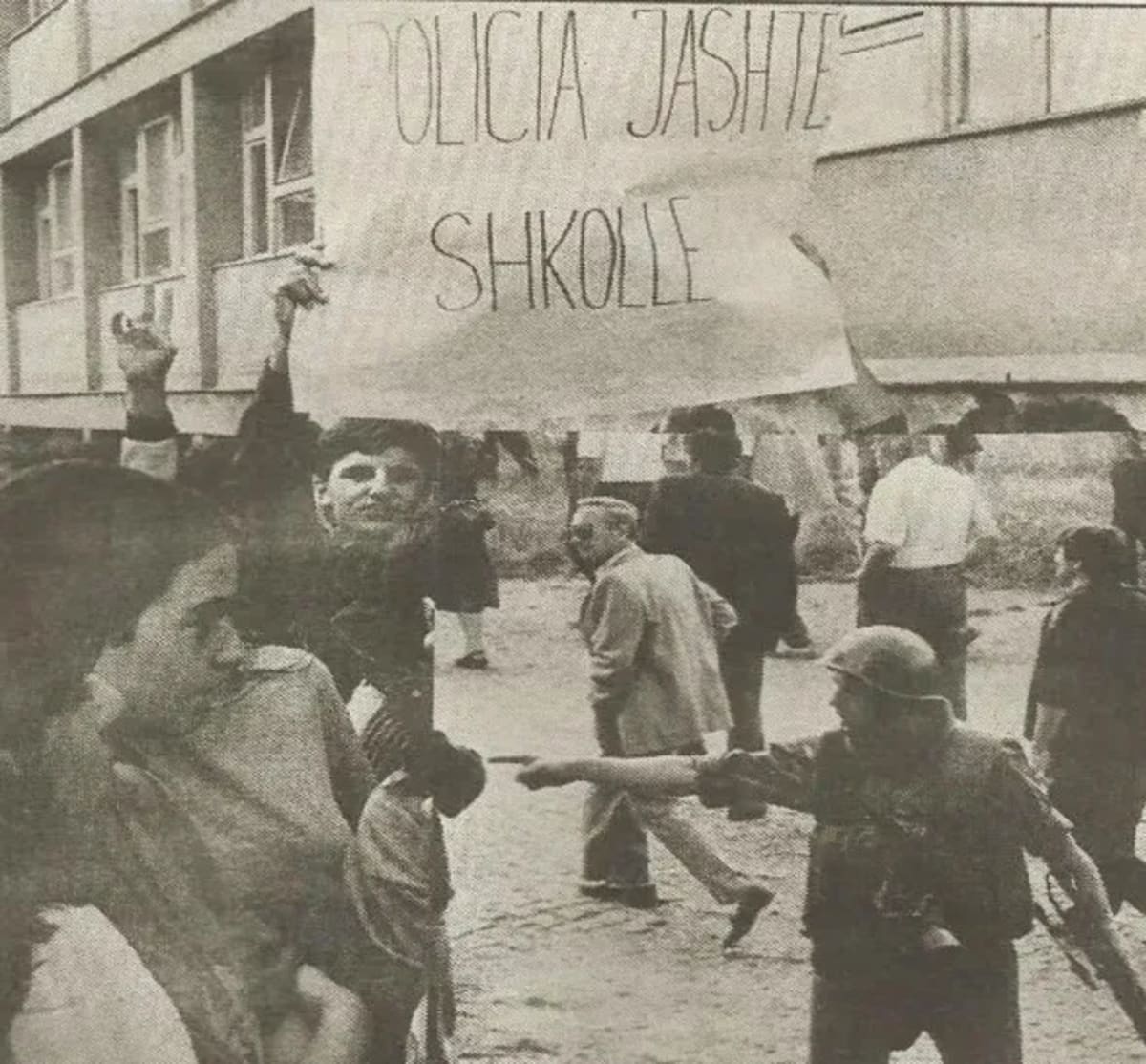
When police blocked the school doors in Kaçanik that September morning in 1991, nobody knew their high school would stay locked for nearly a decade. But within months, something remarkable began happening across Kosovo.
Over 3,200 families opened their homes to become makeshift schools. Parents transformed living rooms into classrooms, offering their private spaces for free so Albanian students could continue learning in their own language.
The crisis started when Serbian authorities tried to force Albanian schools to adopt Serbia's curriculum. Albanian communities refused, and the regime responded by shutting down every Albanian high school and taking over the University of Pristina. Roughly 98 percent Albanian towns like Kaçanik saw armed patrols turn away students and teachers alike.
With no buildings allowed, teachers got creative fast. They held classes in religious buildings, meadows, and abandoned structures before families started volunteering their homes. These "house-schools" became the backbone of an entire parallel education system that would educate nine generations of students.
Tens of thousands of teachers worked voluntarily at first, driven by what the author calls Kosovo's "cult of education." The community saw educated people as holders of the key to their future, a future where they could speak, write, and dream in Albanian freely.
The Ripple Effect
The Albanian diaspora rallied to fund this underground system, organizing with unprecedented unity. What started as emergency response became the foundation of peaceful resistance, proving that a community's commitment to education could outlast occupation.
Eventually, the Government in Exile of the Republic of Kosovo structured itself and began providing symbolic compensation to educators. But for years, this massive volunteer effort ran on pure community will and diaspora solidarity.
The system worked remarkably well despite undignified conditions and constant improvisation. Hundreds of thousands faced violence and imprisonment from Serbian police during those years, but the schools kept running.
Today, those house-schools stand as proof that determined communities can preserve their future even under siege, one living room classroom at a time.
More Images

Based on reporting by Google: education success story
This story was written by BrightWire based on verified news reports.
Spread the positivity!
Share this good news with someone who needs it