3,200-Year-Old City Discovery Links to Ancient Egypt
Archaeologists in Egypt may have found a long-lost ancient city that served as a military staging point during the reign of Ramesses II. A newly discovered hieroglyphic inscription and temple ruins point to the location of Mesn, a strategic city that helped launch Egyptian armies into the Middle East over 3,000 years ago.
A newly discovered inscription carved 3,200 years ago might have solved one of ancient Egypt's geographic mysteries.
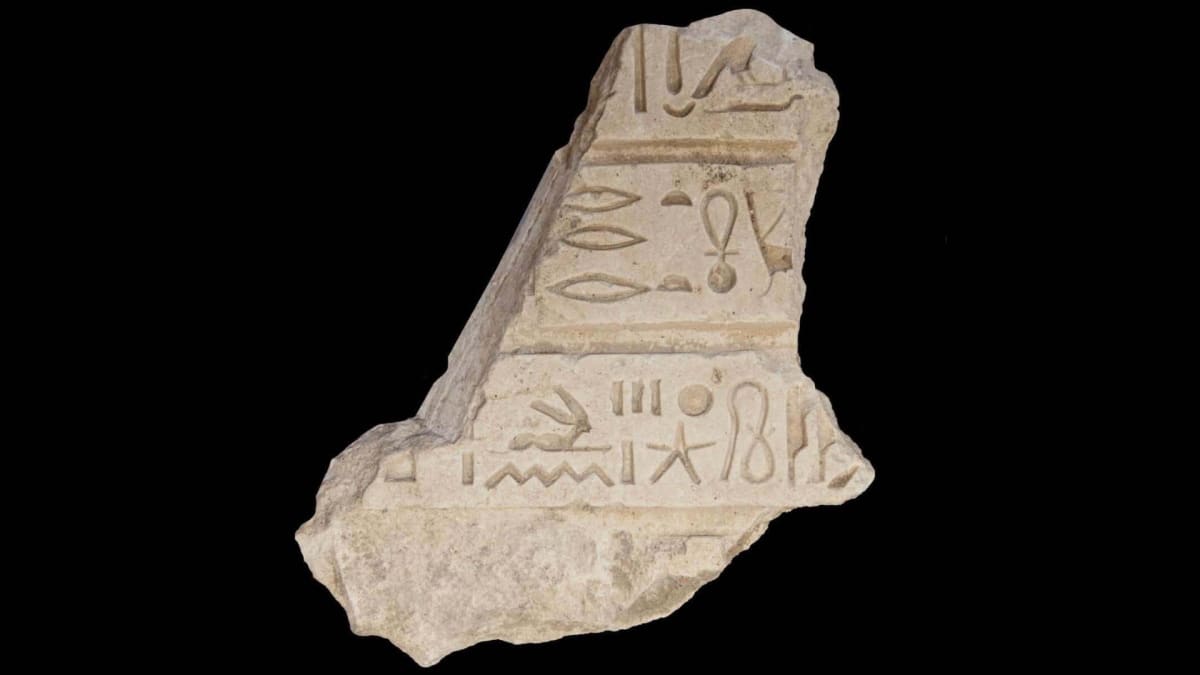
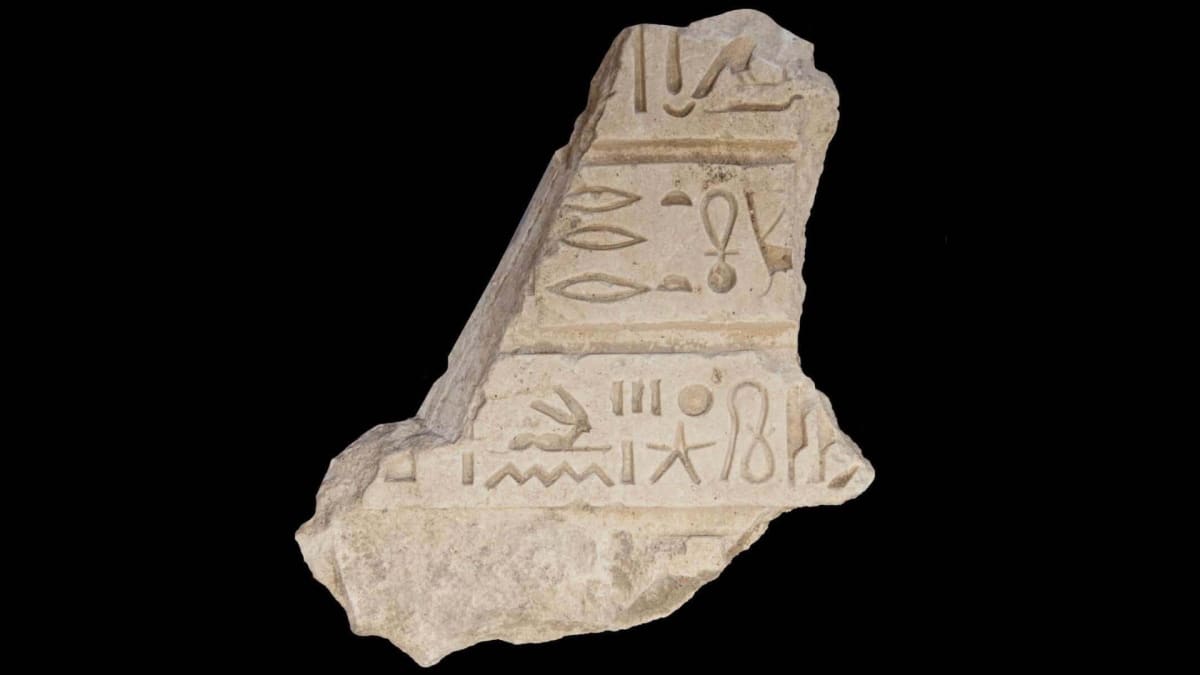
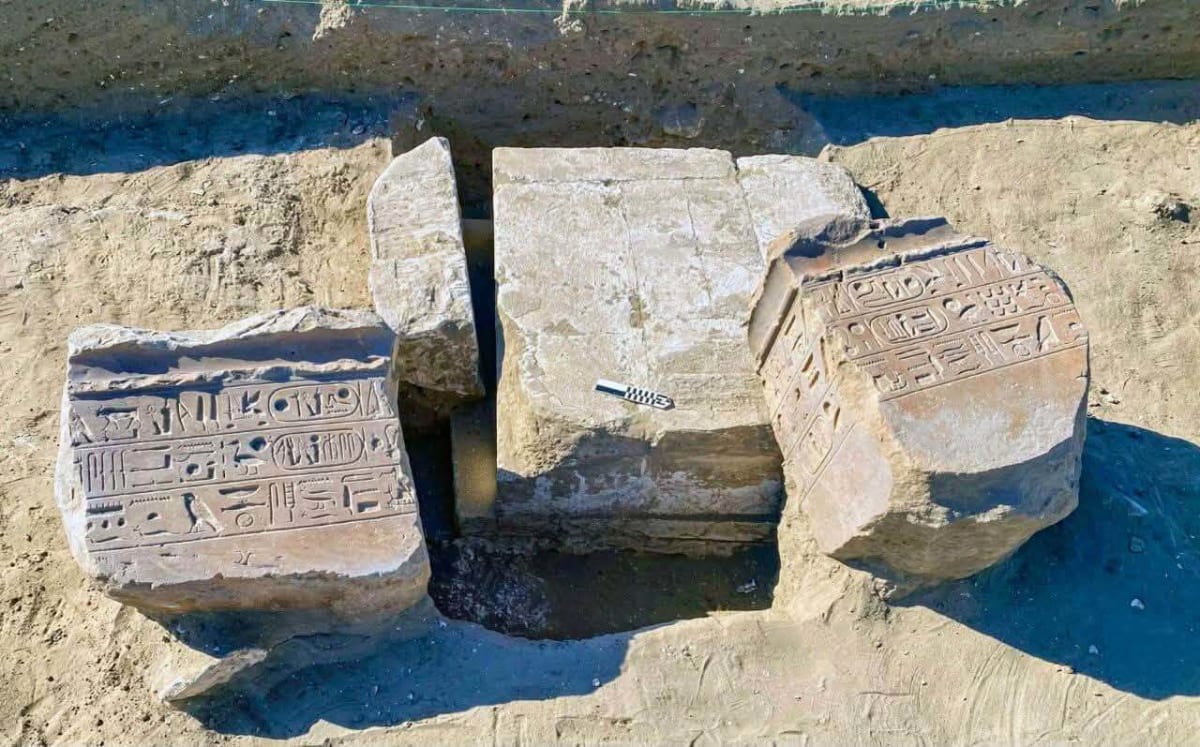
Archaeologists working near the Suez Canal at Tell Abu Seifi have uncovered hieroglyphic text mentioning the "City of Mesn," a location historians have searched for but never definitively found. The inscription honors Horus, the falcon-headed god of war and sky, and dates back to the reign of Ramesses II, one of Egypt's most powerful pharaohs.
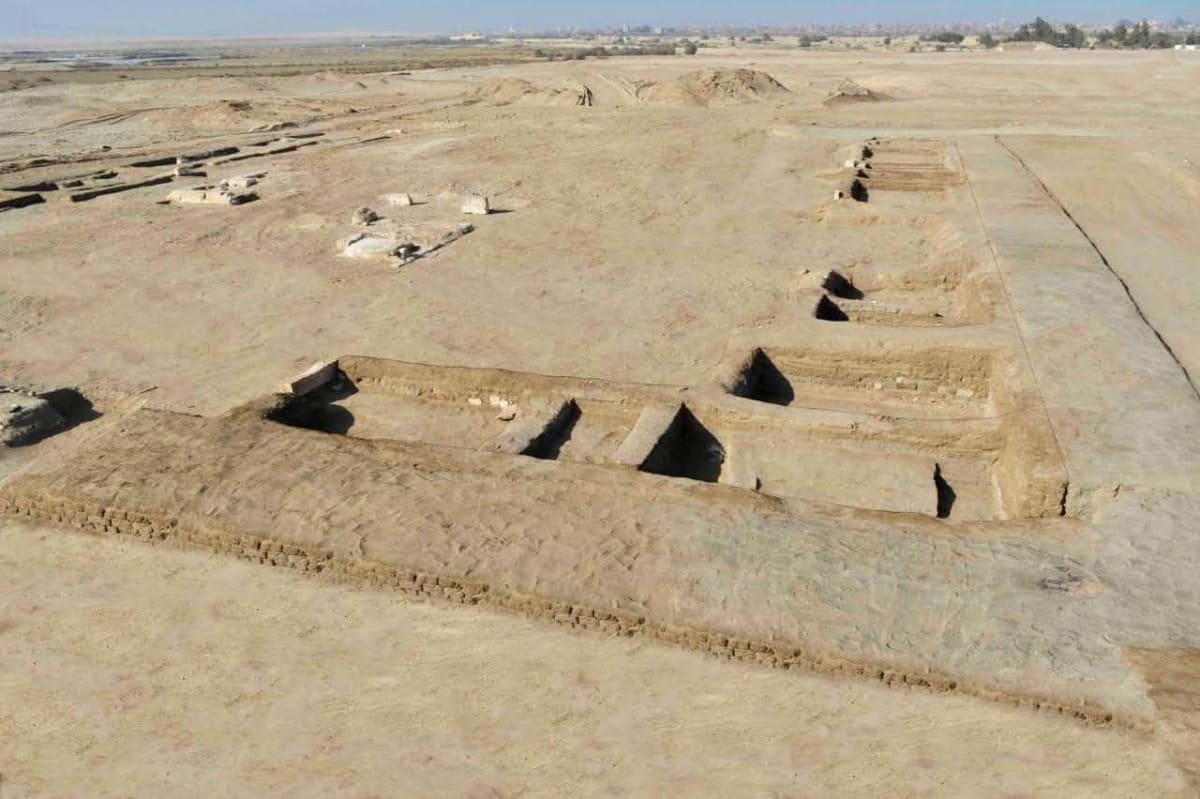
The team also found remains of a temple dedicated to Horus at the site, though it was almost completely destroyed. Despite the damage, the combination of the inscription and temple strongly suggests Tell Abu Seifi could be the actual location of ancient Mesn.
Previous discoveries at the same site support this theory. A bronze seal from centuries later, dating to around 304 to 30 B.C., also refers to "Horus, Lord of Mesen," showing the city endured for at least a thousand years.
The location makes historical sense. Tell Abu Seifi sits along what ancient Egyptians called the "Way of Horus," a military road dotted with fortresses connecting the Nile Delta to what is now Israel, Lebanon, and Syria. Mesn likely served as a crucial jumping-off point for Egyptian armies heading to campaigns, including Ramesses II's famous Battle of Kadesh.
"The Egyptian empire dominated this part of the Middle East," said Peter Brand, a history professor at the University of Memphis. Ramesses II's father built a series of forts along this route, and Ramesses himself regularly marched armies across the region to expand Egyptian power.
Why This Inspires
This discovery reminds us that major historical mysteries can still be solved. For decades, scholars debated where Mesn actually stood, poring over ancient texts without physical proof. Now, patient archaeological work has potentially connected the dots between written records and actual ground.
The temple inscription specifically mentions how Ramesses II restored a statue of Horus at Mesn. Remarkably, archaeologists previously found the pedestal of such a statue at Tell Abu Seifi, making the pieces fit together like an ancient puzzle finally coming together.
Some scholars want more evidence before declaring the mystery solved, which shows the careful, methodical nature of good archaeology. Yet the mounting clues point toward a significant rediscovery of a city that once helped shape the ancient world.
This lost city stood at a crossroads of civilizations, watching Egyptian chariots roll past on their way to expand an empire that would influence human history for millennia to come.
More Images

Based on reporting by Live Science
This story was written by BrightWire based on verified news reports.
Spread the positivity!
Share this good news with someone who needs it