3,200-Year-Old Peace Treaty Fragment Found in Turkey
Archaeologists in Turkey just discovered a missing piece of history's oldest peace treaty, and its message about protecting refugees still resonates today. The ancient clay tablet shows how even bitter enemies found common ground over three millennia ago.
A newly discovered fragment of the world's oldest peace treaty proves that protecting displaced people has been a human concern for over 3,000 years.
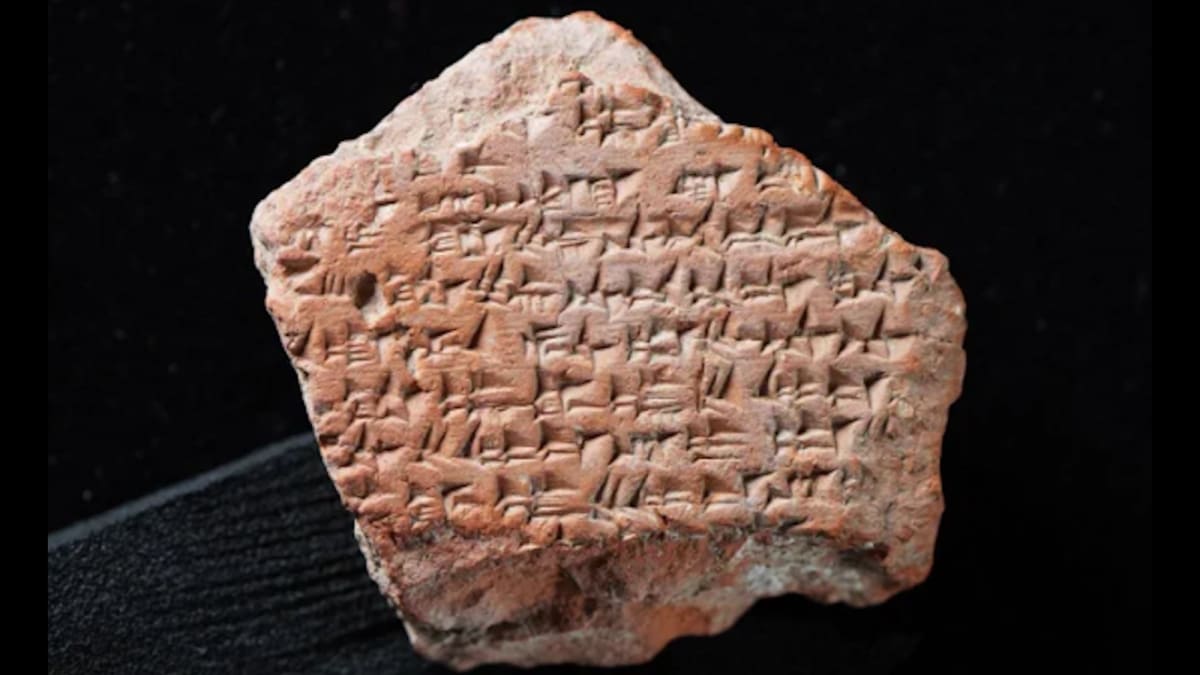
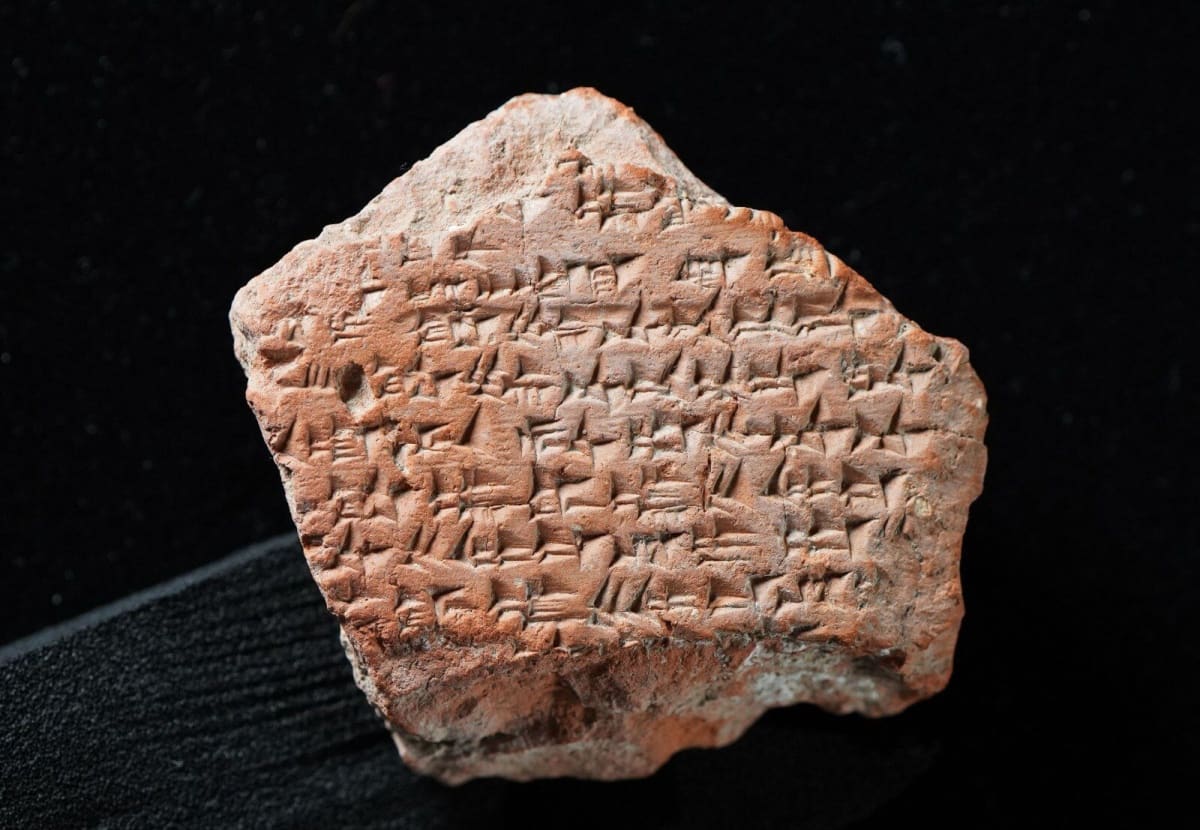
Archaeologists working at the ancient Hittite capital of Hattusha in Turkey have identified a clay tablet containing Articles 12 through 20 of the Kadesh Peace Treaty. The agreement, signed around 1259 BCE between Egyptian Pharaoh Ramesses II and Hittite King Hattusili III, ended two centuries of warfare between the kingdoms.
The newly found section specifically addresses how both sides should welcome back refugees who fled during the conflict. Officials say part of the text focuses on protecting citizens' homes from destruction, showing that even ancient rulers understood the importance of helping people rebuild their lives after war.
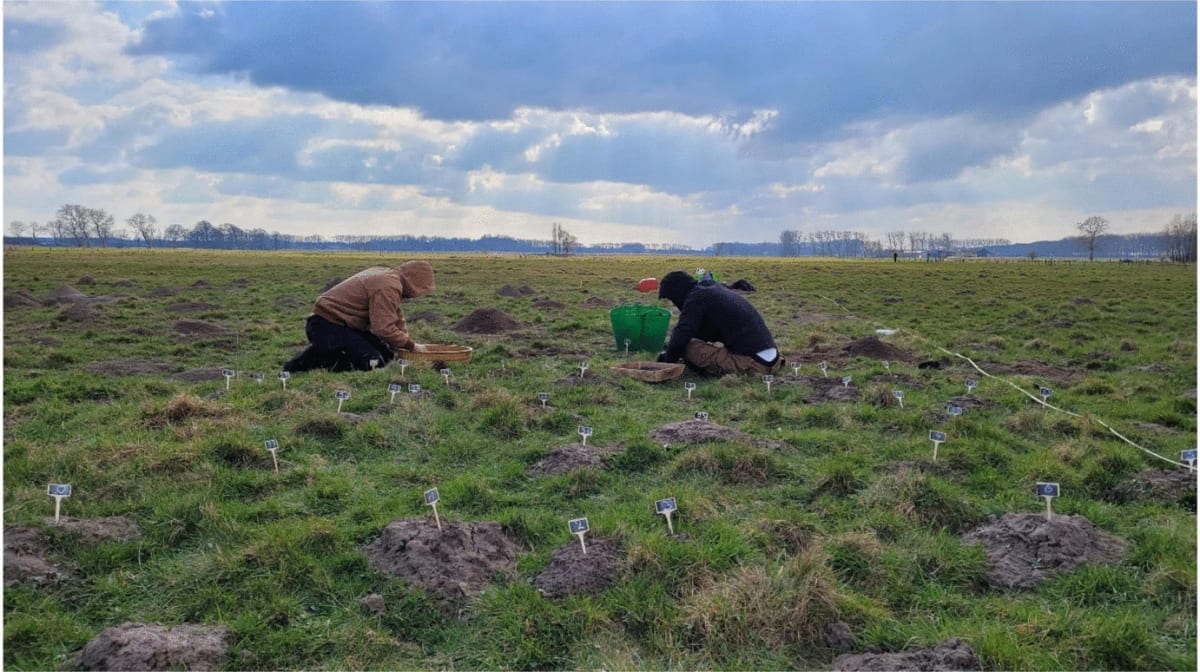
Turkey's Ministry of Culture and Tourism announced the discovery on September 21 to mark the International Day of Peace. The fragment was excavated at the Büyükkale royal palace site, which has yielded thousands of cuneiform artifacts over the past century.
The Kadesh Peace Treaty represents a remarkable moment in human history. Ramesses and Hattusili signed their agreement about 15 years after the famous Battle of Kadesh, choosing diplomacy over continued bloodshed. Their treaty has been preserved on both Akkadian cuneiform tablets and Egyptian temple hieroglyphics.
Why This Inspires
What makes this discovery so meaningful is how it mirrors modern struggles. Ancient kingdoms dealing with displaced populations, property destruction, and the aftermath of war faced the same challenges we see in conflict zones today.
The fact that these rulers prioritized refugee protection in their peace agreement shows that compassion and practical problem solving aren't new inventions. They're timeless human responses to suffering.
UNESCO recognized the treaty's significance by adding it to its Memory of the World Register in 2001. The site of Hattusha continues to offer invaluable insights into how the ancient Hittites lived, governed, and made peace.
Turkish Culture Minister Mehmet Nury Ersoy reflected on the discovery's relevance today, noting how this ancient legacy reminds us of our responsibility to protect human life and dignity. Sometimes the most hopeful messages come from the most unexpected places, written in clay thousands of years ago.
More Images

Based on reporting by Google News - Peace Agreement
This story was written by BrightWire based on verified news reports.
Spread the positivity!
Share this good news with someone who needs it