3,200-Year-Old Peace Treaty Fragment Found in Türkiye
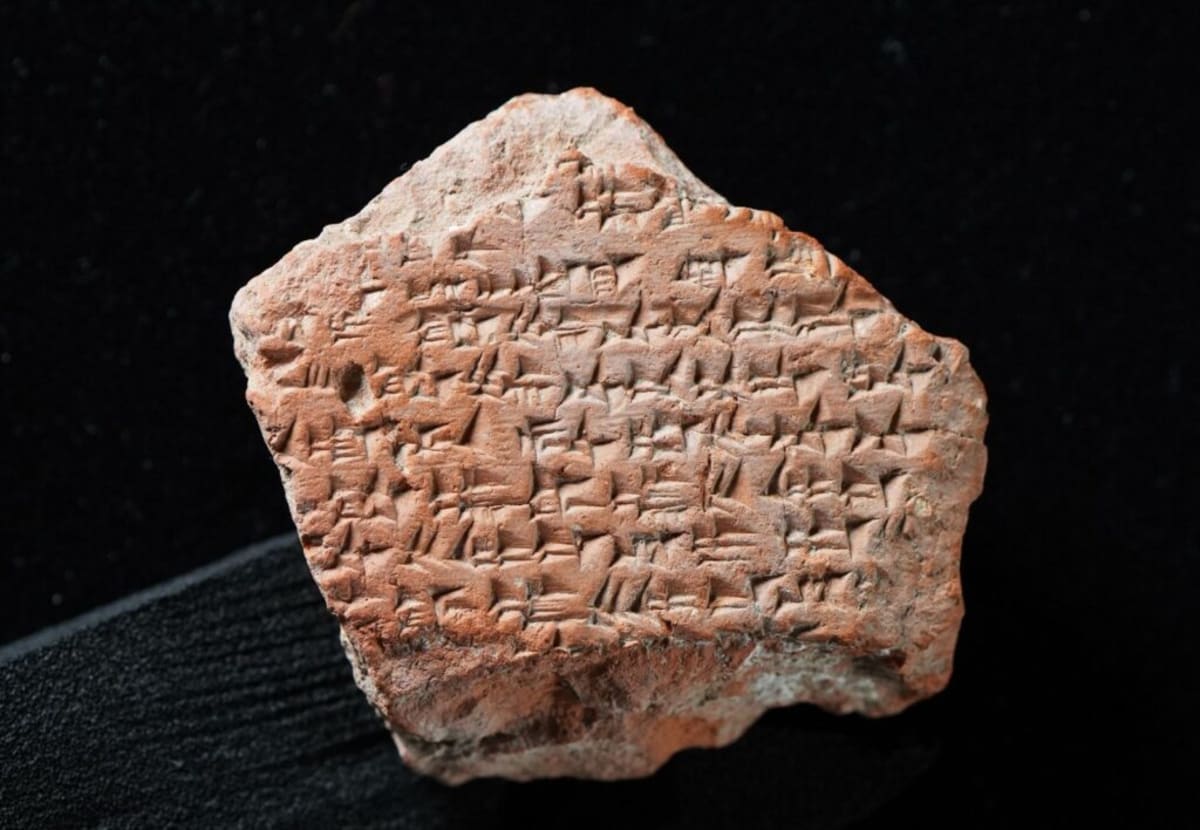
Archaeologists in Türkiye just identified a new piece of one of history's oldest peace treaties, showing ancient empires once protected refugees crossing their borders. The 3,200-year-old tablet fragment was announced on the International Day of Peace.
A tiny clay tablet discovered in central Türkiye is rewriting what we know about how ancient superpowers treated people fleeing across borders more than 3,000 years ago.
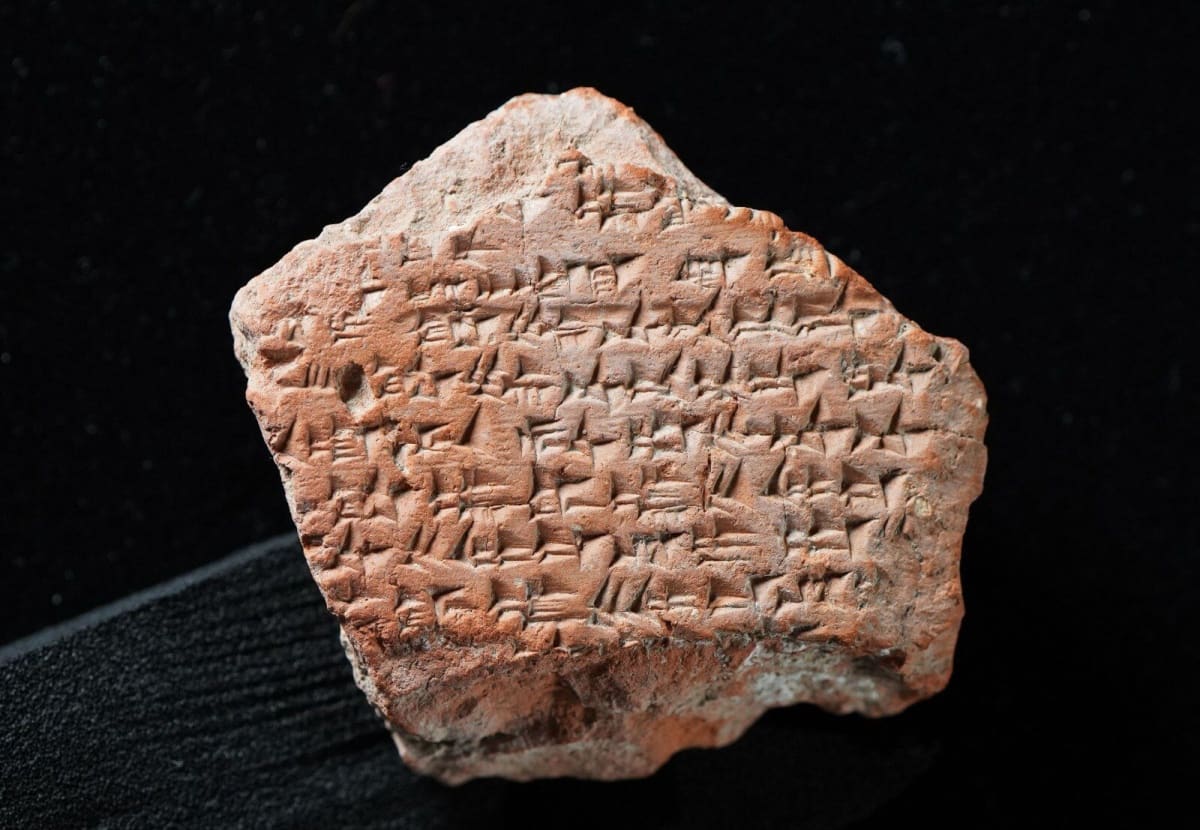
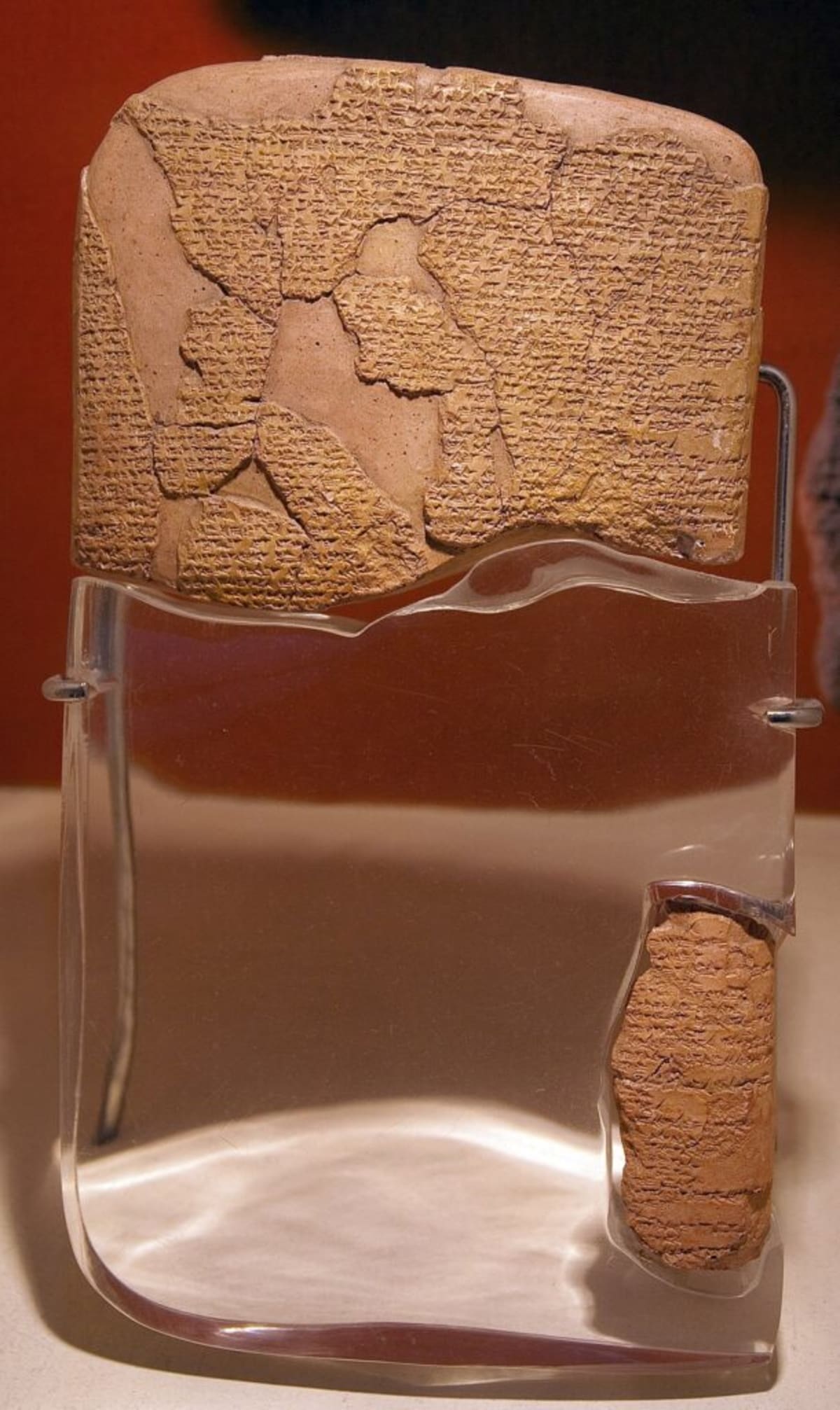
Archaeologists working at Hattusha, the ancient Hittite capital, have identified a fragment belonging to the Kadesh Peace Treaty between the Hittite Empire and Egypt. Signed around 1259 BC by Hittite King Hattusili III and Egyptian Pharaoh Ramesses II, it's one of the world's oldest surviving peace agreements.
This newly confirmed piece is special because it preserves rules about refugees. The cuneiform text describes how both kingdoms agreed to handle people who fled from one empire to the other, including protecting their homes from destruction.
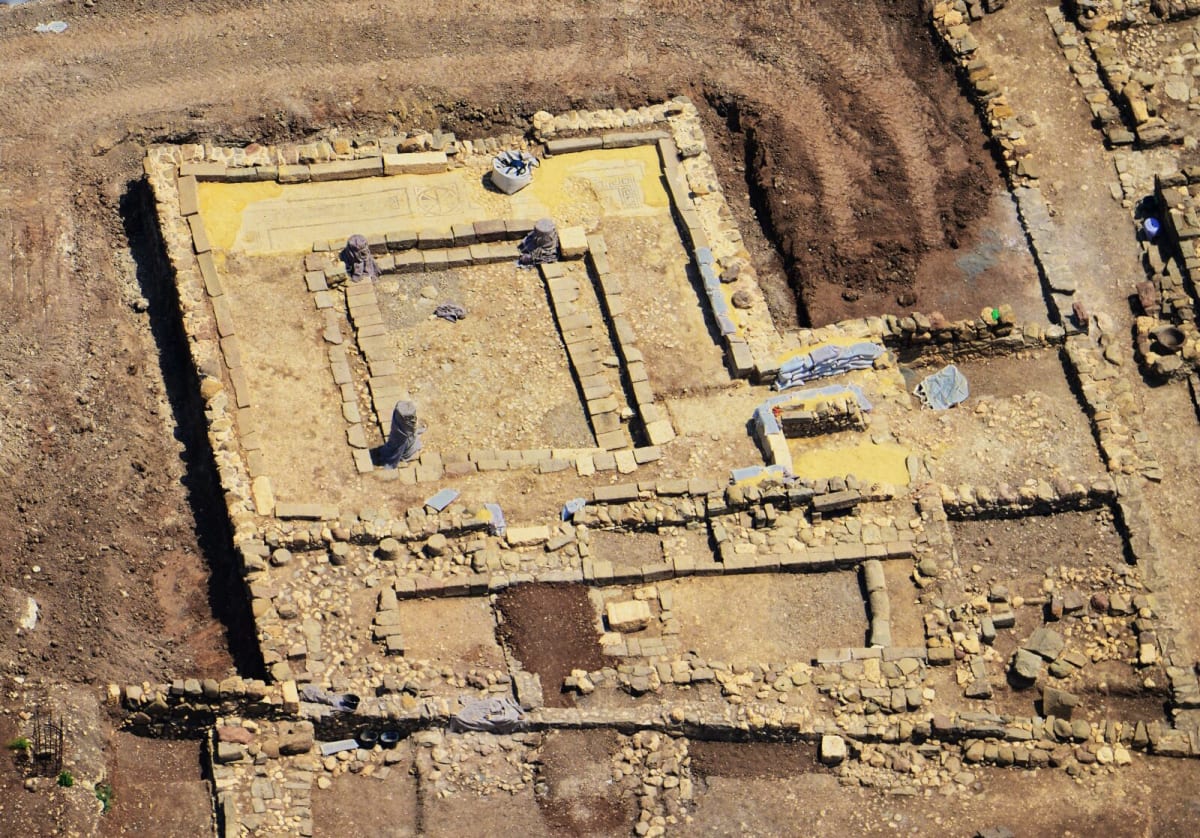
The fragment was found at Büyükkale, the royal citadel, near what researchers believe was the Hittite palace. After about a year of careful study, experts confirmed the tablet matches provisions from Articles 12 through 20 of the original treaty.
The Kadesh Treaty emerged from decades of rivalry between two ancient superpowers competing for influence across the eastern Mediterranean. Around 1274 BC, their armies clashed near Kadesh in a brutal battle that neither side truly won.
Fifteen years later, the two empires chose diplomacy over endless conflict. They created a comprehensive peace agreement that covered mutual defense, trade relations, and remarkably detailed rules about how to treat people crossing borders.
The original treaty was written on silver tablets that no longer exist. Fortunately, both empires made copies: Egypt carved hieroglyphic versions on temple walls, while the Hittites preserved the text on clay tablets in their capital.
The Ripple Effect
This discovery connects ancient wisdom to modern challenges in unexpected ways. Türkiye's Minister of Culture and Tourism announced the finding on September 21, the International Day of Peace, drawing parallels between 3,200-year-old compassion and today's refugee crises.
Hattusha, now a UNESCO World Heritage Site, has produced thousands of cuneiform documents that reveal how the Hittite Empire functioned. Each new fragment helps researchers piece together more of this remarkable civilization's story.
The site's tablet archives earned recognition on UNESCO's Memory of the World Register in 2001. Excavations continue at Büyükkale, where archaeologists hope to uncover more missing sections of the treaty and other diplomatic records.
What makes this fragment particularly moving is its reminder that protecting vulnerable people crossing borders isn't a modern invention. Two rival empires, after years of warfare, sat down and wrote detailed protections for refugees into their peace agreement.
Even 3,200 years ago, powerful leaders understood that lasting peace required not just agreements between rulers, but compassion for ordinary people caught between kingdoms.
More Images
Based on reporting by Google News - Peace Agreement
This story was written by BrightWire based on verified news reports.
Spread the positivity!
Share this good news with someone who needs it