3,200-Year-Old Treaty Fragment Shows Ancient Refugee Care
A newly discovered piece of history's oldest peace treaty reveals how two ancient kingdoms protected refugees fleeing conflict. The clay tablet, unearthed in Turkey, shows humanity's long tradition of seeking common ground even in difficult times.
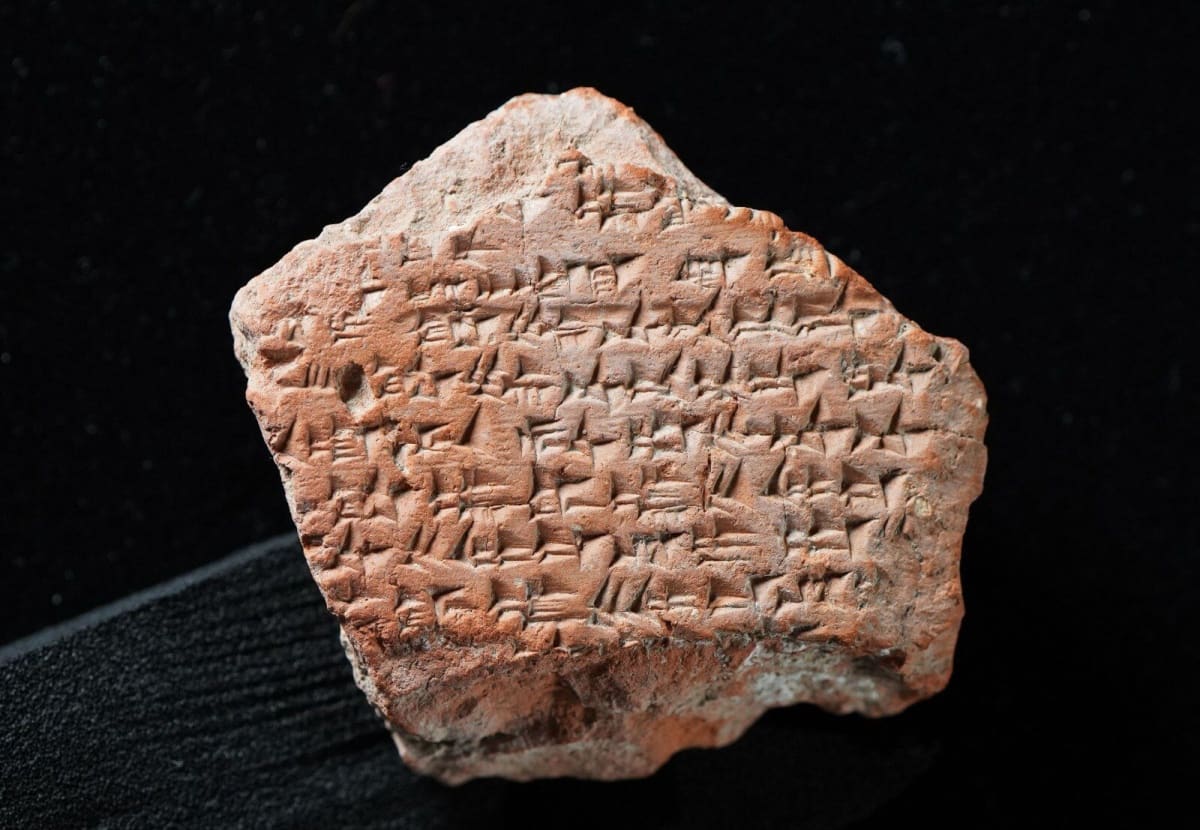
Archaeologists in Turkey just found something remarkable: a 3,200-year-old instruction manual for protecting refugees.
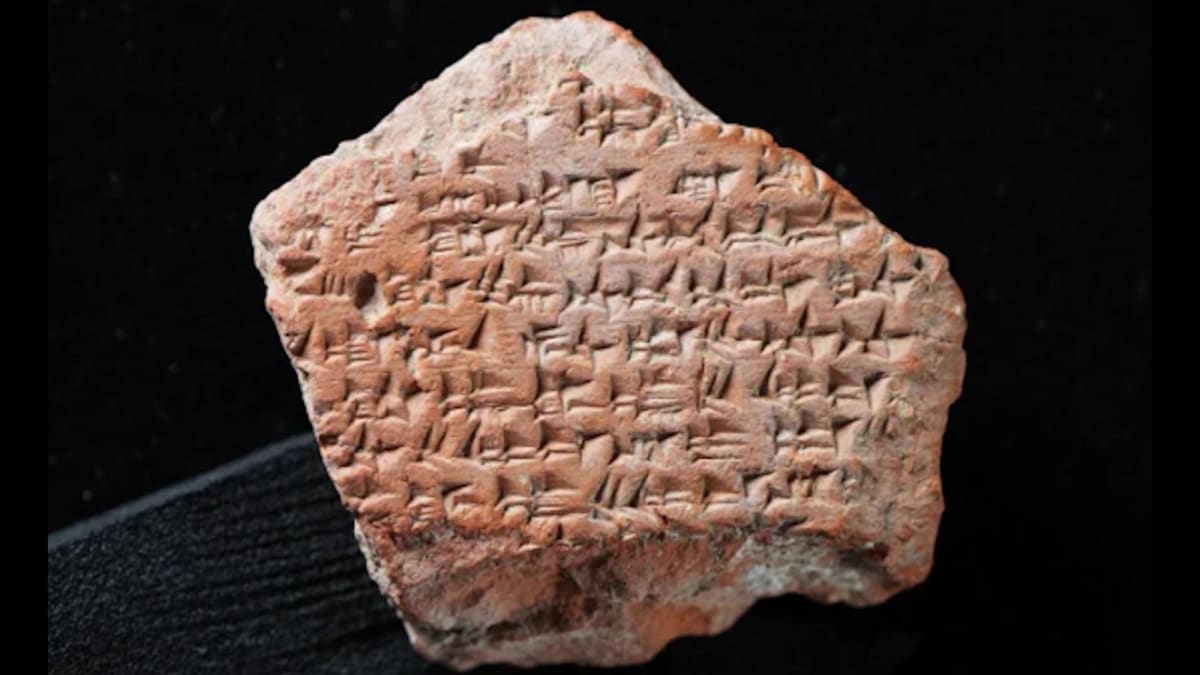
The clay fragment is part of the Kadesh Peace Treaty, signed around 1259 BCE between Egyptian Pharaoh Ramesses II and Hittite King Ḫattušili III. After two centuries of bitter fighting, these ancient rulers finally made peace, and this newly discovered section shows they took care to protect people caught in the middle.
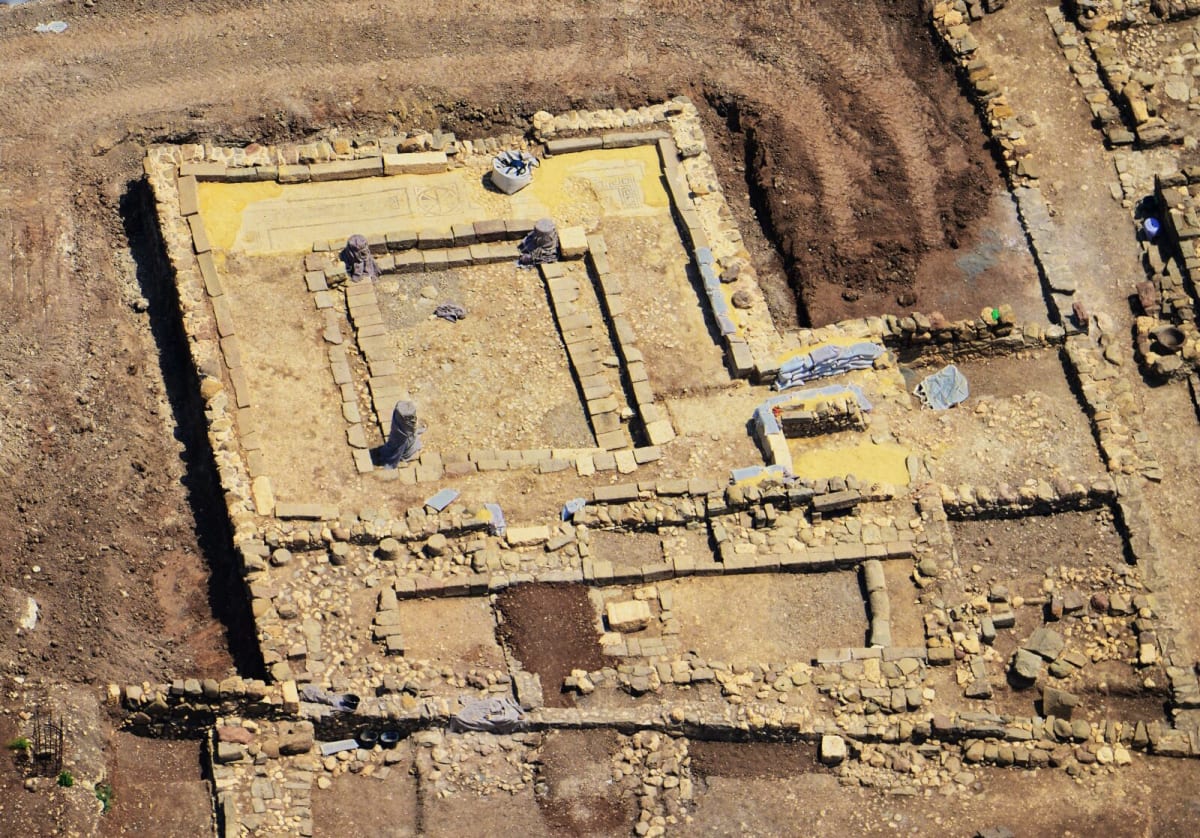
Turkey's Ministry of Culture and Tourism announced the discovery to mark International Peace Day on September 21. The cuneiform tablet was found at Hattusha, the ancient Hittite capital in northern Anatolia, and corresponds to Articles 12 through 20 of the famous treaty.
What makes this fragment special is its focus on refugees. The text details how both kingdoms should welcome back citizens who fled during the conflict, including protections for their homes from destruction. While these ancient regulations differ from modern asylum law, they show that even 3,000 years ago, warring powers understood the need to protect displaced people.
The Kadesh Peace Treaty already held an honored place in history as the oldest known peace agreement. UNESCO added copies to its Memory of World Register in 2001. Archaeologists first discovered fragments at Hattusha in the early 20th century, preserved on both Akkadian cuneiform tablets and Egyptian temple walls.
The site continues to reveal treasures. Thousands of cuneiform artifacts found at Hattusha have helped researchers understand Hittite politics, culture, and daily life.
Why This Inspires
This ancient text reminds us that seeking peace and protecting vulnerable people isn't a modern invention. Two kingdoms that spent 200 years fighting still found ways to show compassion to refugees when they finally made peace.
Cultural Minister Mehmet Nury Esroy captured the discovery's relevance perfectly: "This legacy, which has survived from thousands of years ago to the present day, reminds us of our responsibility to protect human life and dignity."
The fragment proves that even in humanity's oldest conflicts, leaders recognized their duty to care for displaced people.
More Images

Based on reporting by Google News - Peace Agreement
This story was written by BrightWire based on verified news reports.
Spread the positivity!
Share this good news with someone who needs it