324-Million-Year-Old Fossil Reveals New Insect Species
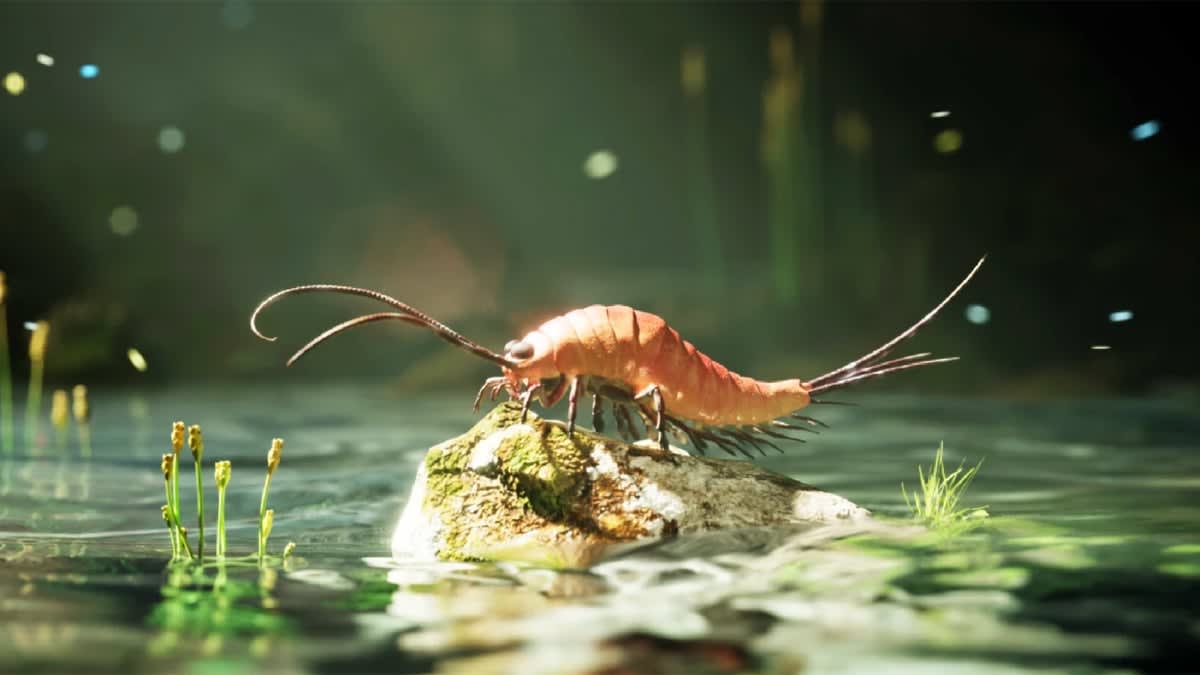
A fossil mistaken for a baby shrimp for nearly 40 years turned out to be an entirely new species of ancient insect with 24 paddle-like legs. The discovery helps solve one of biology's biggest puzzles about how insects first moved from water to land.
Scientists just corrected a 40-year-old case of mistaken identity that's rewriting the story of how insects conquered dry land.
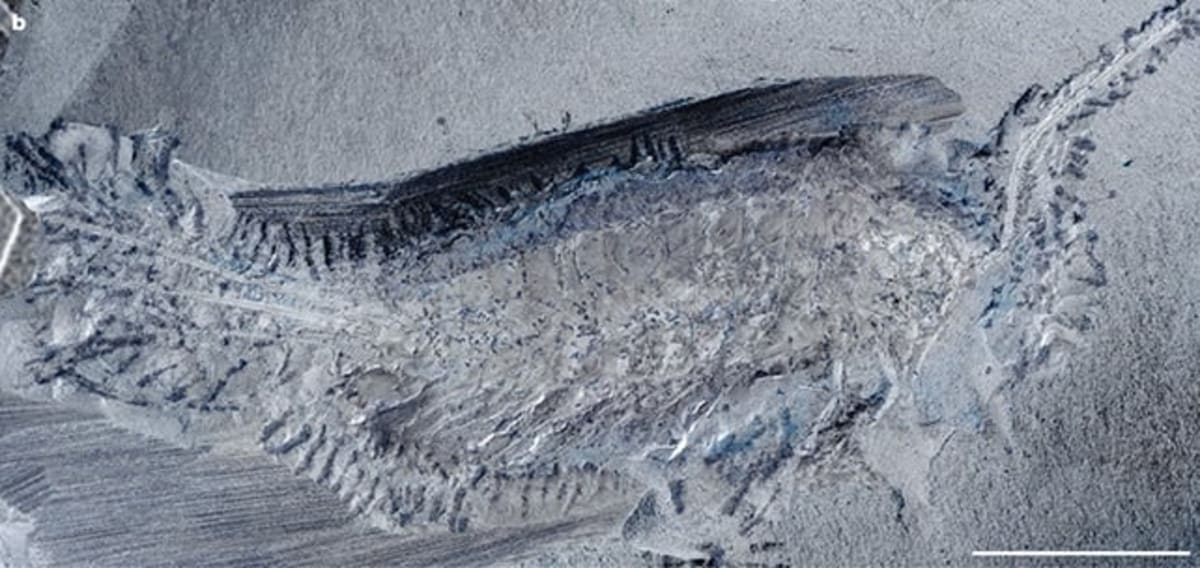
A fossil discovered in western Texas in 1985 was long thought to be a juvenile crustacean related to shrimp and crabs. For decades, it sat in collections labeled as Tesnusocaris goldichi, a many-segmented aquatic creature from 324 million years ago.
But something didn't add up. The dark imprint on dark rock was hard to see clearly, yet careful observers suspected this wasn't a crustacean at all.
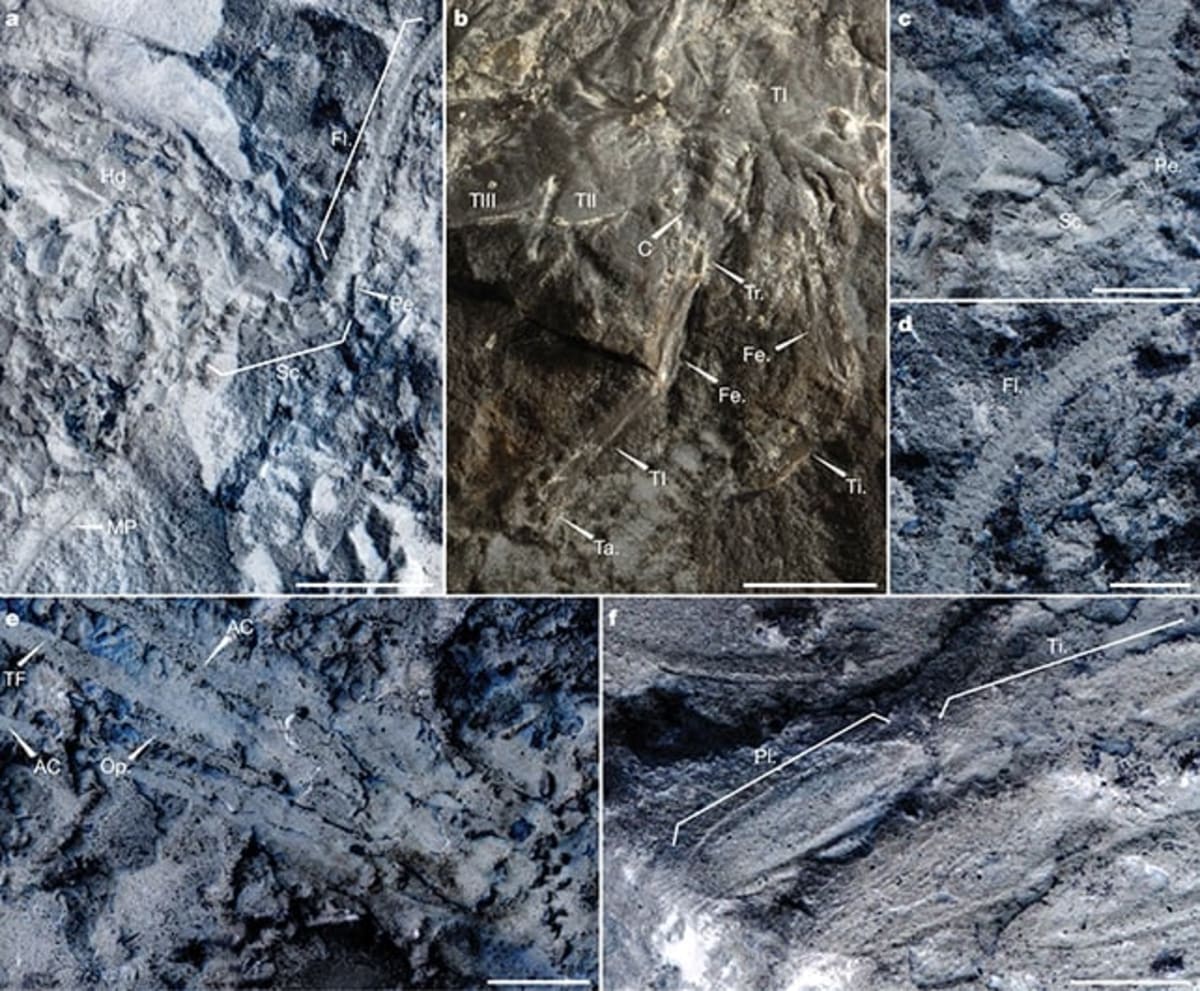
In 2026, an international team of researchers took another look using cross-polarized light imaging, which reduced glare and revealed details invisible to earlier scientists. What they found shocked the paleontology world: an entirely new insect species they named Chosha praecursor.
This wasn't just any insect. C. praecursor sported 24 paddle-like legs instead of the standard six, plus a crustacean-like abdomen that suggests it could live both on land and in water. These unusual features place it right at the evolutionary crossroads where ancient sea creatures were becoming the insects we know today.
The discovery helps fill the "hexapod gap," an 80-million-year blank spot in the insect fossil record that has puzzled scientists for generations. This gap created frustrating discrepancies between genetic family trees and actual fossil evidence.
Why This Inspires
This story reminds us that major discoveries can hide in plain sight, waiting for someone to look again with fresh eyes and better tools. The researchers didn't just find one misidentified fossil; they reviewed three other questionable specimens and discovered they were all early insects with diverse body types.
These findings suggest the earliest insects thrived along ancient shorelines and wetlands, munching on dead plants and gradually adapting to life on land. They represent the oldest uncontested insect fossils ever found, pushing back the known history of insects and showing us that evolution's biggest transitions happened more gradually than we thought.
The transformation from sea to land wasn't a sudden leap but a slow adaptation, with amphibious creatures bridging the gap over millions of years. These ancient 24-legged insects laid the groundwork for the million-plus insect species that now dominate nearly every ecosystem on Earth.
Sometimes the biggest breakthroughs come from scientists willing to question what everyone assumed was settled science.
More Images

Based on reporting by Google News - Science
This story was written by BrightWire based on verified news reports.
Spread the positivity!
Share this good news with someone who needs it

%2Fhttps%3A%2F%2Ftf-cmsv2-smithsonianmag-media.s3.amazonaws.com%2Ffiler_public%2F4e%2F9f%2F4e9f0fe8-aa48-438a-b88f-3a29cd71107e%2Fhttps___wwwfrontiersinorg_files_articles_1758862_xml-images_fmats-13-1758862-g001.jpeg)