330 People From 40 Countries Wrote 1,500 Ukraine Articles
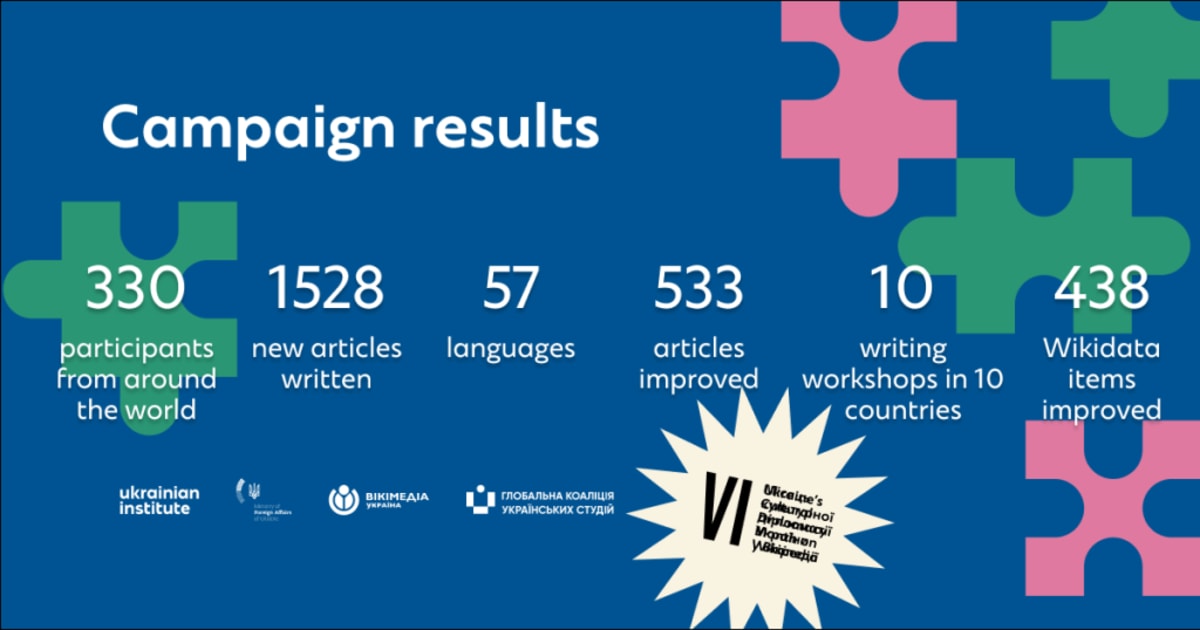
Volunteers from across the globe created and improved over 1,500 Wikipedia articles about Ukrainian culture in 57 languages, making the country's heritage accessible to millions. The month-long initiative brought together diplomats, students, and everyday Wikipedia fans to share stories that might otherwise go untold.
Imagine discovering that your favorite dumpling recipe or folk tale had never been written down in your language. That's exactly what 330 volunteers set out to fix this April, creating a digital bridge to Ukrainian culture for readers worldwide.
The sixth annual Ukraine Cultural Diplomacy Month ran throughout April 2026, bringing together Wikipedia editors from more than 40 countries. Organized by Wikimedia Ukraine, the Ukrainian Institute, and Ukraine's Ministry of Foreign Affairs, the contest invited anyone to write or improve articles about Ukraine's cultural heritage.
The results were stunning. Participants created over 1,500 brand new Wikipedia articles in 57 different languages, from English and Spanish to Bengali, Japanese, and Azerbaijani. Another 500 existing articles got major improvements, filling gaps and correcting information.
The topics ranged from beloved actor Bohdan Stupka to green borscht recipes, from traditional Didukh wheat sheaves to Ukrainian folk tales. For the third year running, many articles focused on decolonization, helping distinguish Ukrainian culture from Russian narratives that had long overshadowed it.
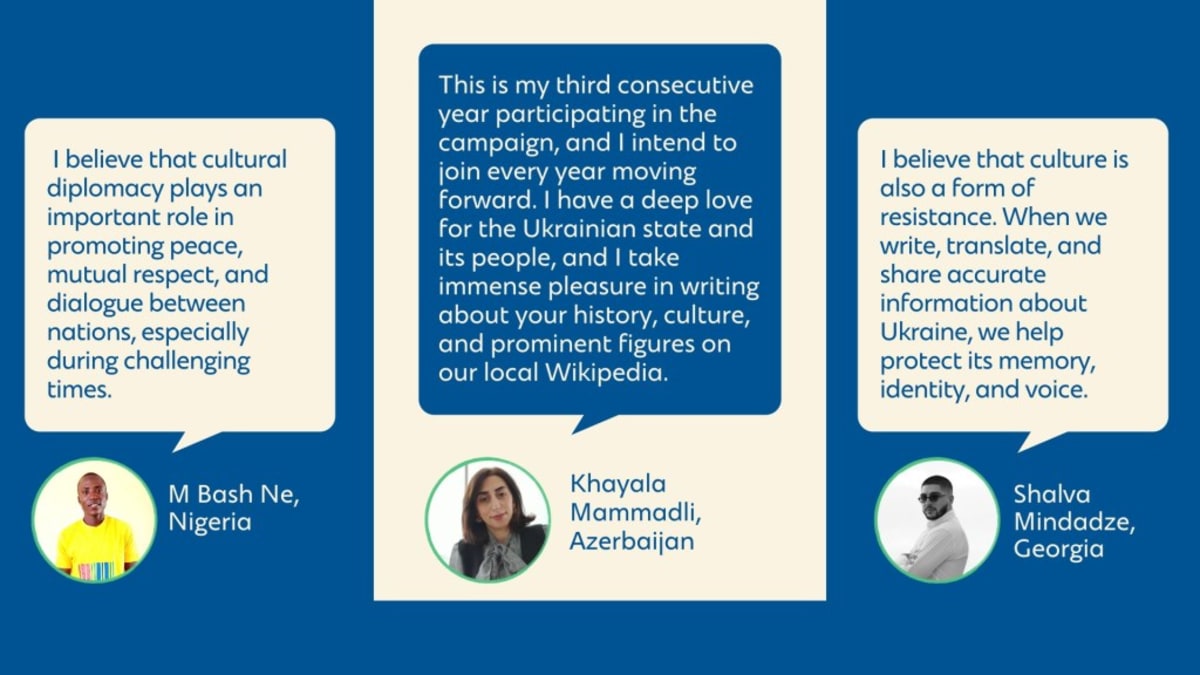
What made this year special was how it connected people across borders. Eleven training sessions and editing events took place in ten countries, engaging over 200 participants who learned how to contribute to Wikipedia while learning about Ukrainian culture.
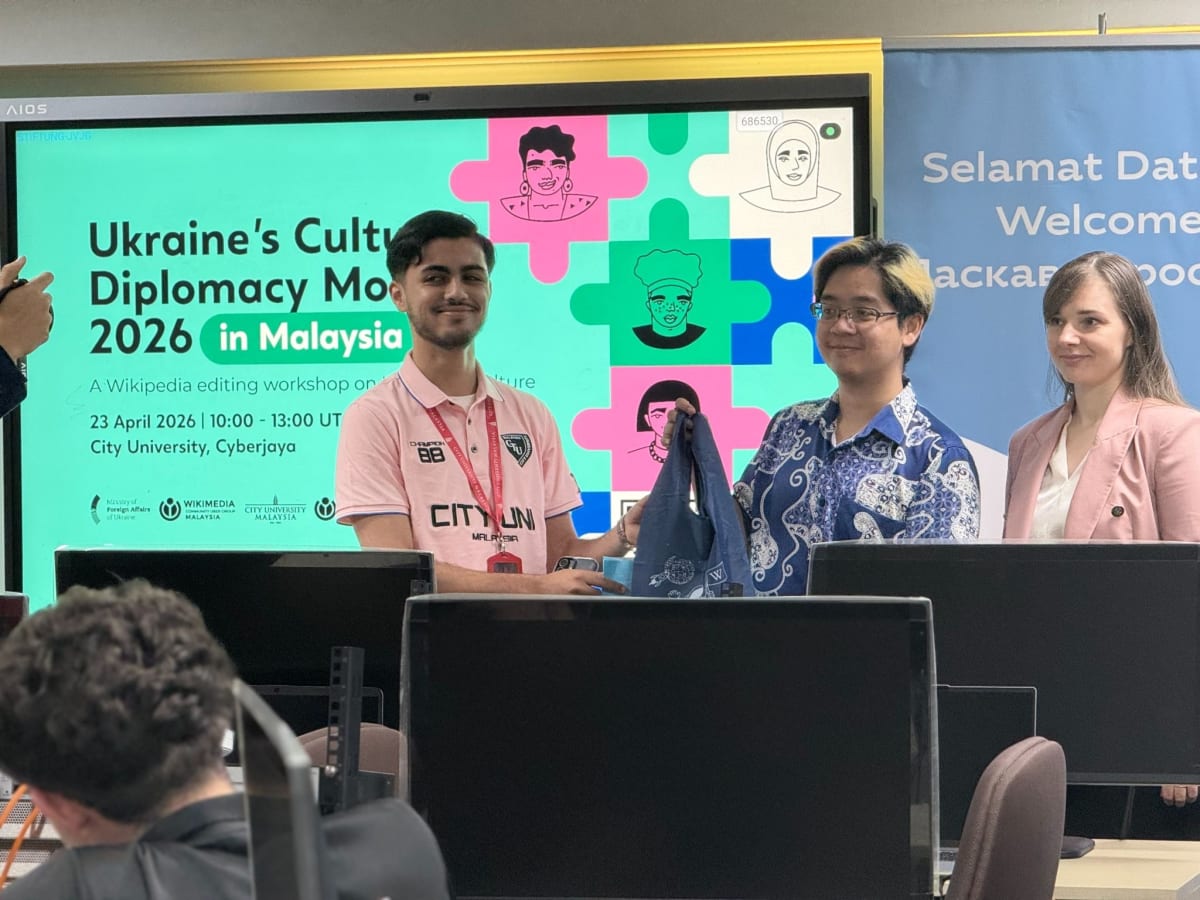
In India, 47 participants created 71 articles and improved 327 more across multiple Indian languages. They even got hands-on experience making traditional Ukrainian motanka dolls. In Malaysia, 33 students from City University worked on 44 articles and attended a follow-up workshop on cultural translation.
Students in Uzbekistan wrote in Karakalpak, a language spoken by fewer than half a million people. Editors in Sicily contributed in both Italian and Sicilian. In Botswana, 13 participants created articles in Setswana and French.
Most participants were trying this for the first time. They told organizers the project let them support Ukraine while exploring personal interests, from architecture to cinema to traditional food. Every contributor received a digital barnstar award, while the 30 most active won prizes like Ukrainian board games and cultural books.
THE RIPPLE EFFECT
These aren't just articles gathering digital dust. Every new Wikipedia entry means someone searching for information about Ukrainian traditions, historical figures, or cultural landmarks can now find it in their own language. A student in Jakarta can read about Ukrainian cinema. A grandmother in Mumbai can discover recipes her Ukrainian neighbor mentions. Knowledge that was locked away is now available to billions.
The initiative also created lasting connections between Ukrainian diplomatic missions and local Wikipedia communities, with organizers already planning future collaborations beyond the annual contest.
After six years, this project has sparked 15 international training events and countless conversations about culture, memory, and how we share knowledge across borders.
More Images
Based on reporting by Google: cooperation international
This story was written by BrightWire based on verified news reports.
Spread the positivity!
Share this good news with someone who needs it
%2Ffile%2Fattachments%2F2997%2F14300024_667918.jpg)