3,500-Year-Old Hittite Seal Found in Western Turkey
Archaeologists in western Turkey discovered a 3,500-year-old royal seal that proves ancient kingdoms were more connected than historians realized. The tiny artifact is rewriting our understanding of how civilizations communicated across Anatolia during the Bronze Age.
A small clay seal no bigger than a bottle cap is revealing big secrets about how ancient civilizations stayed connected thousands of years ago.
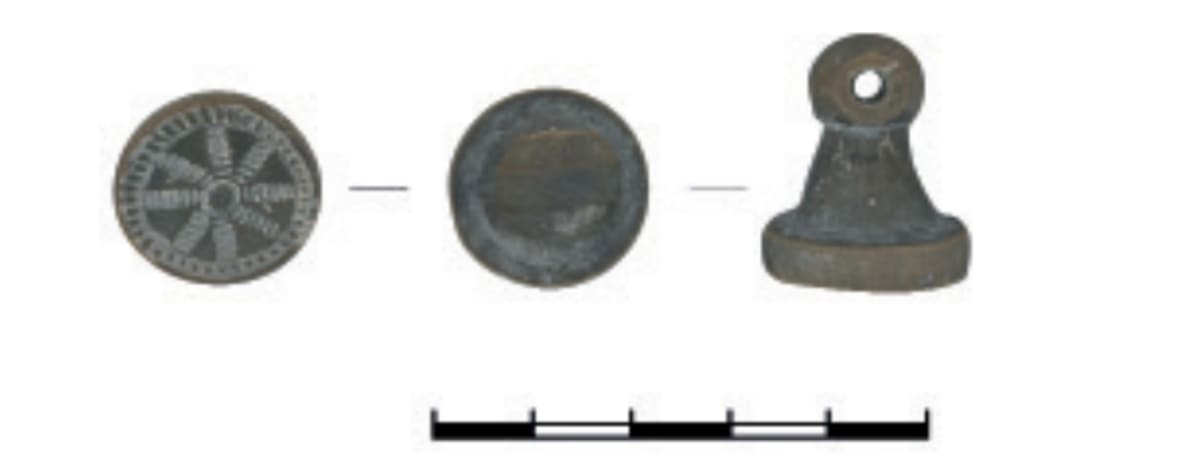
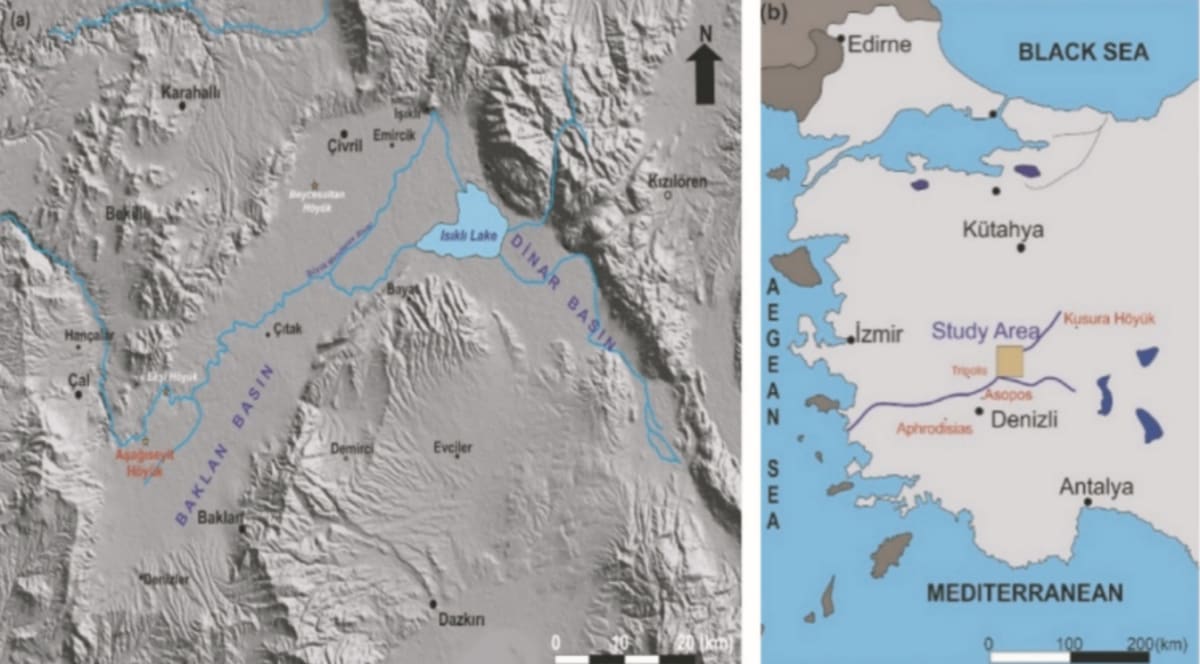
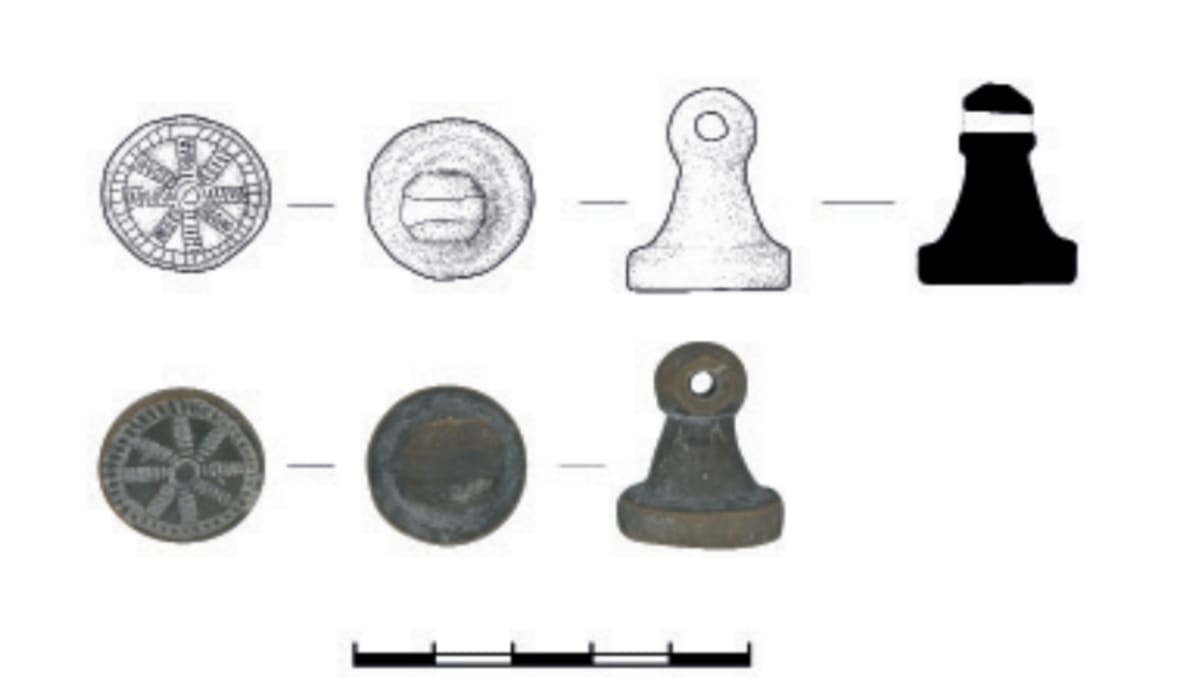
Archaeologists working at Aşağıseyit Höyük in western Turkey unearthed an Early Hittite stamp seal dating back 3,500 years. The discovery proves that the mighty Hittite Empire maintained closer ties with distant western kingdoms than scholars previously believed.
The seal measures just 2.6 centimeters tall and features an eight-petaled rosette surrounded by a rope-like pattern. Experts say the design likely symbolized royal authority and may represent the Hittite solar deity of Arinna, one of the most sacred symbols in their culture.
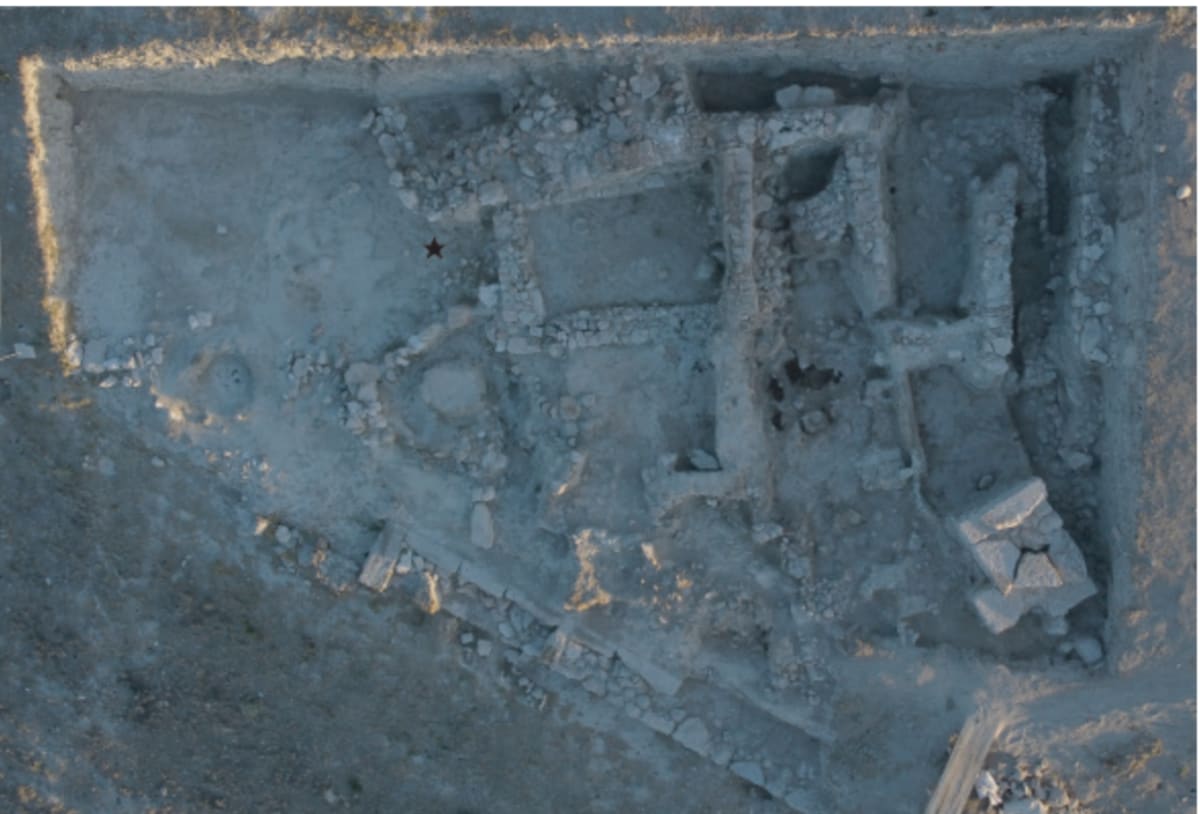
Archaeologist Erim Konakçı found the artifact outside a home alongside everyday objects like pottery and crescent-shaped weights. What makes this discovery remarkable is how closely it matches seals found 300 miles away at Boğazköy-Hattusa, the capital of the Hittite Empire.
The seal comes from layers dated between 1634 and 1236 BCE, a period when the Hittites were one of the ancient world's great powers. Ancient texts describe Hittite rulers launching military campaigns into western Anatolia, but physical proof of their influence has been scarce until now.
Aşağıseyit Höyük sits in a strategic location near the Büyük Menderes River, forming a natural corridor between the Aegean coast and Central Anatolia. This made it a vital crossroads for both trade and military movement during the Bronze Age.
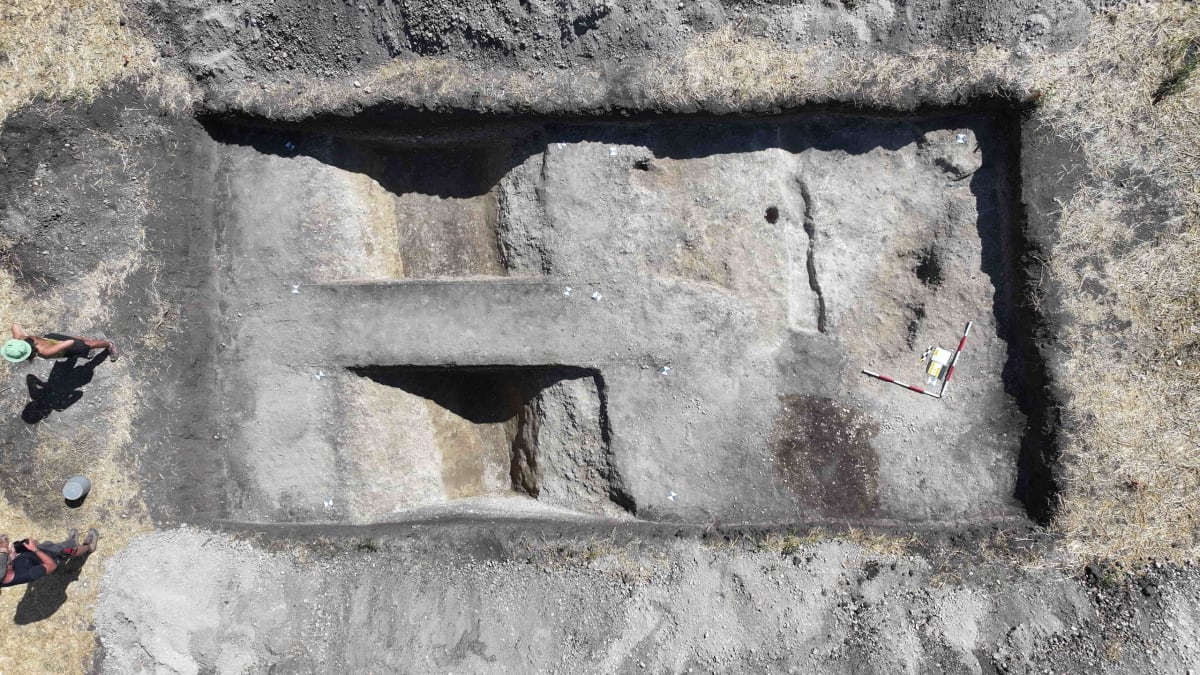
Excavations at the site began in 2021 and have revealed nearly eight meters of cultural deposits spanning thousands of years. Researchers have identified at least nine different occupation phases, from the Early Bronze Age through the Roman period.
The Ripple Effect
This tiny seal is helping solve a puzzle historians have struggled with for decades. Most knowledge about western Anatolia during the Bronze Age comes from Hittite texts written by the empire itself, not from local sources.
Physical artifacts like this seal provide independent evidence of how information, culture, and political influence flowed between distant regions. The discovery suggests ancient communication networks were more sophisticated and far-reaching than modern scholars assumed.
Finding the seal alongside distinctly local artifacts shows these weren't one-way relationships. Western Anatolian communities maintained their own identities while participating in broader networks of exchange with powerful neighbors.
The discovery reminds us that ancient peoples found ways to stay connected across vast distances without modern technology, building relationships that shaped civilizations for centuries.
More Images
Based on reporting by Google: archaeological discovery
This story was written by BrightWire based on verified news reports.
Spread the positivity!
Share this good news with someone who needs it