Ancient Italian Sanctuary Found Under Road Construction
Road workers in northern Italy discovered a 2,500-year-old sanctuary with rare inscriptions that reveal how ancient communities blended their traditions with Roman culture. The find offers a remarkable window into a lost language and the people who spoke it.
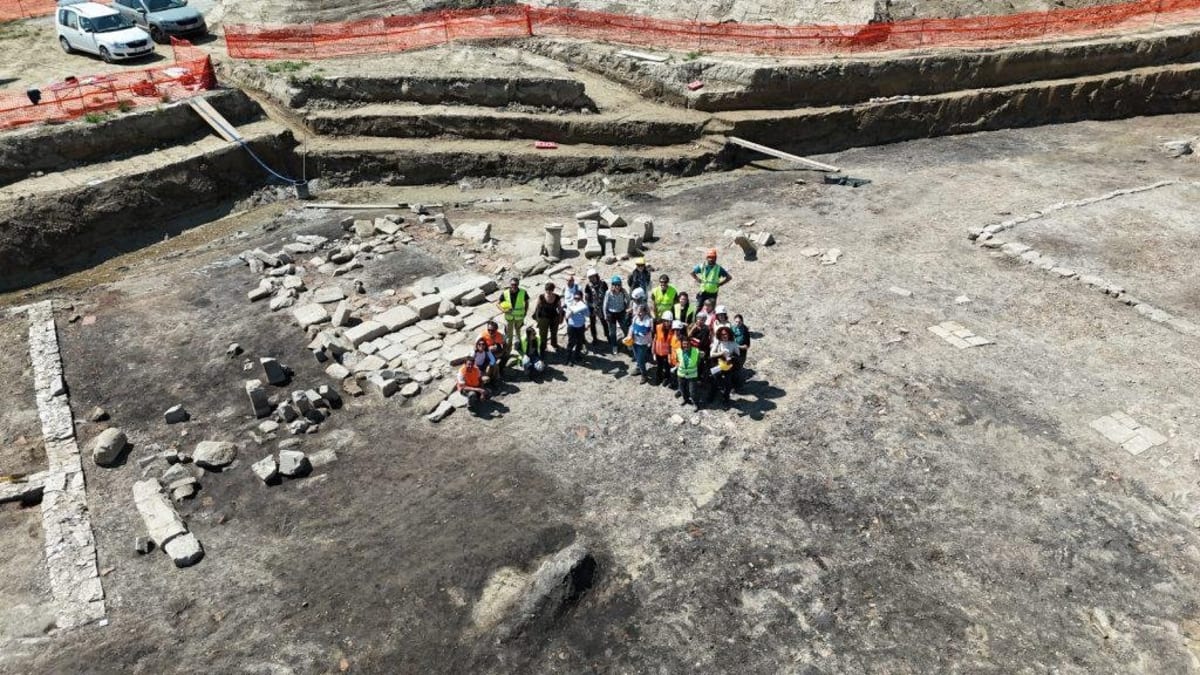
Construction crews building a new road in Ponso, Italy got an unexpected surprise when they uncovered an ancient religious sanctuary dating back to the 5th or 4th century BCE. The site contains rare inscriptions in Venetic, a language spoken in northeastern Italy before the Romans arrived.
The discovery happened during routine clearance work for the SR10 regional road project in the Province of Padua. What started as a standard construction delay turned into one of the region's most significant archaeological finds in recent years.
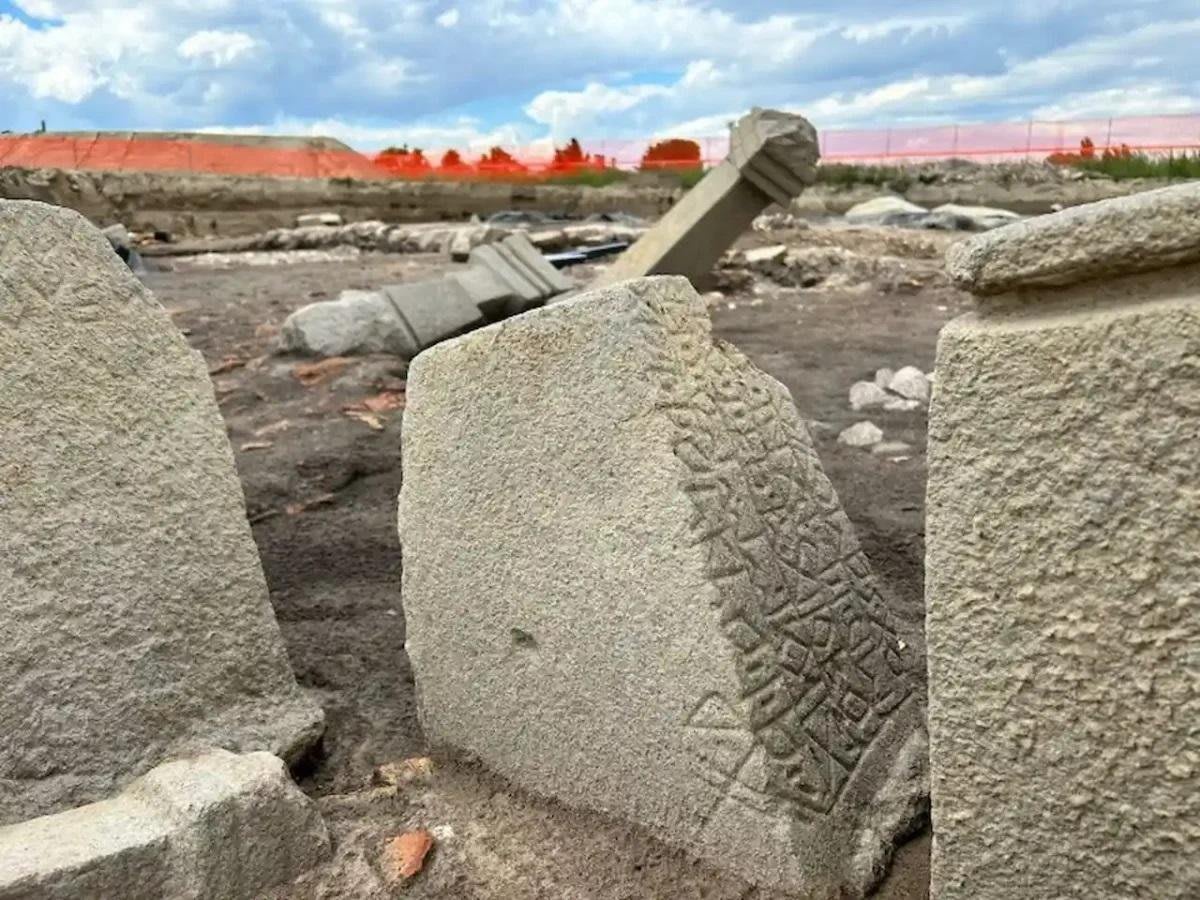
Archaeologists found stone objects carved with inscriptions in both Venetic and Latin characters. Many appear to be votive dedications linked to religious rituals, with some stones carved on three sides for ceremonial purposes.
The sanctuary tells a story of cultural adaptation rather than conquest. When Roman influence spread through the region, local communities didn't abandon their sacred spaces. Instead, they incorporated new traditions while maintaining their connection to older beliefs.
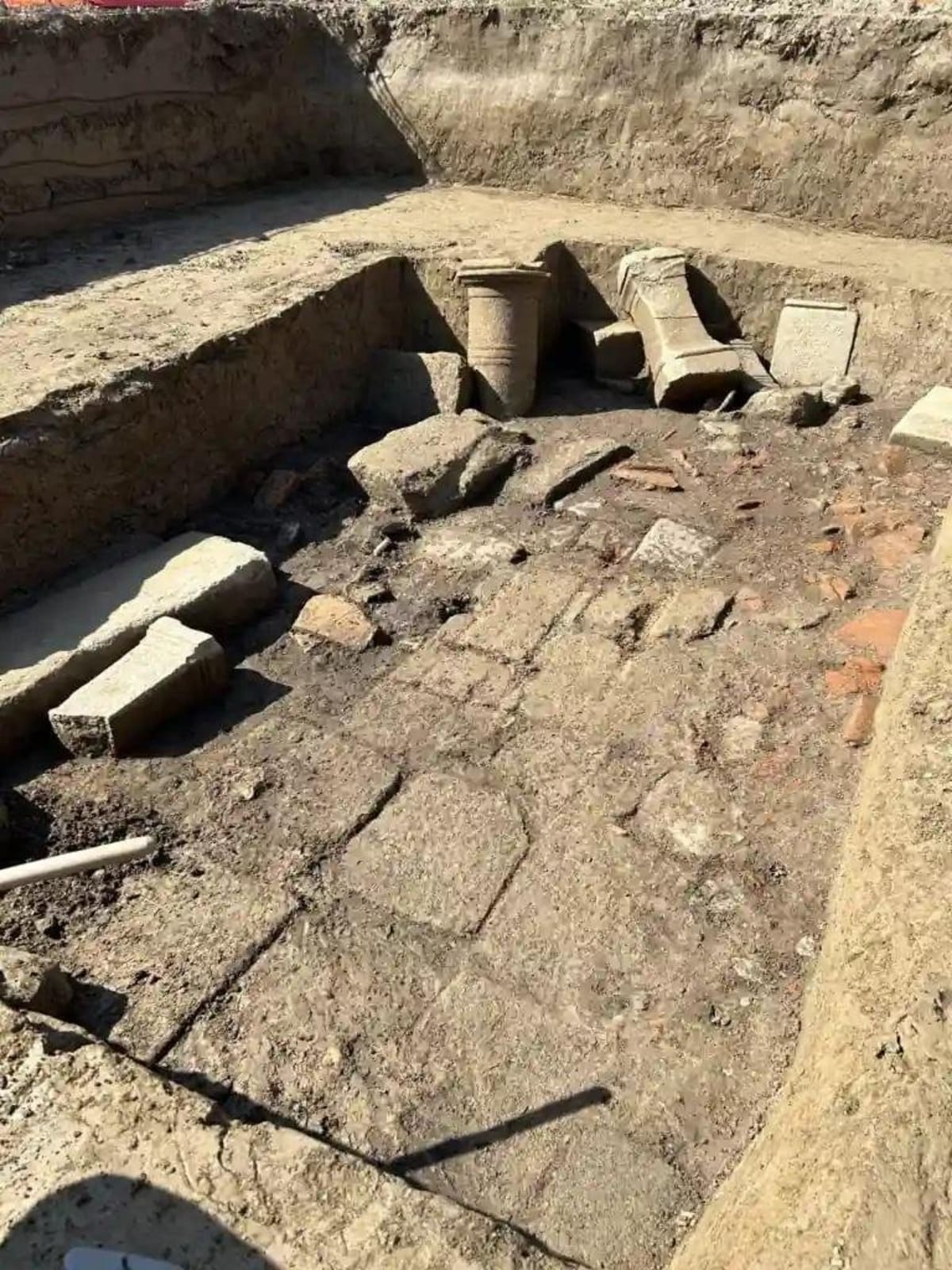
Researchers discovered that many inscribed stones were reused in a paved surface from the 1st century CE. This recycling of sacred objects shows how the site remained religiously important even as the culture around it changed.
As the excavation expanded, teams uncovered large rectangular temple foundations. One structure shows characteristics of a peripteral temple, a building type with columns on all sides. The sanctuary evolved from a simple sacred space into a monumental religious center over several centuries.
Evidence suggests the sanctuary was eventually buried by a major flood from the nearby Adige River. However, this wasn't a sudden abandonment. The site shows continuous use and gradual changes in architecture and rituals across hundreds of years.
Why This Inspires
This discovery reminds us that cultures rarely disappear completely. Instead, they adapt and blend, creating something new while honoring what came before. The ancient Venetic people faced enormous changes as Rome expanded, yet they found ways to preserve their language and traditions within the new order.
The inscriptions also represent voices from a nearly lost language. Each carved stone is someone's prayer, dedication, or hope written 2,500 years ago. Now those words can be studied and understood, connecting us directly to people who lived in a world so different from ours yet shared the same human needs for meaning and connection.
Excavations continue at the site, with researchers hoping to learn more about how the sanctuary was organized and used. Every layer they uncover adds another chapter to the story of how ancient communities navigated change while staying true to their roots.
More Images


Based on reporting by Google: archaeological discovery
This story was written by BrightWire based on verified news reports.
Spread the positivity!
Share this good news with someone who needs it