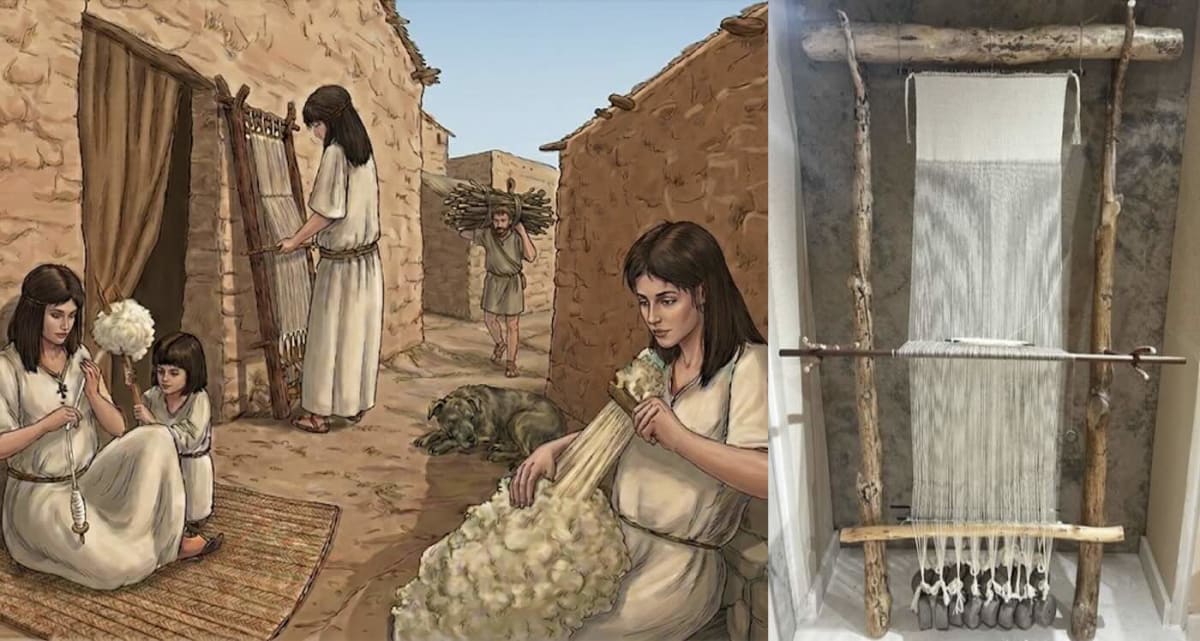
3,500-Year-Old Loom Reveals Bronze Age Textile Revolution
A devastating fire that destroyed an ancient Spanish village actually preserved a complete weaving loom for 3,500 years, giving scientists an unprecedented look at how Bronze Age communities transformed textile production. The rare find shows how neighbors worked together in shared outdoor workshops, weaving fabrics that connected them to trade networks spanning from Central Europe to the Mediterranean.
A fire that raged through a Spanish hilltop settlement 3,500 years ago accidentally created a time capsule that scientists are celebrating today.
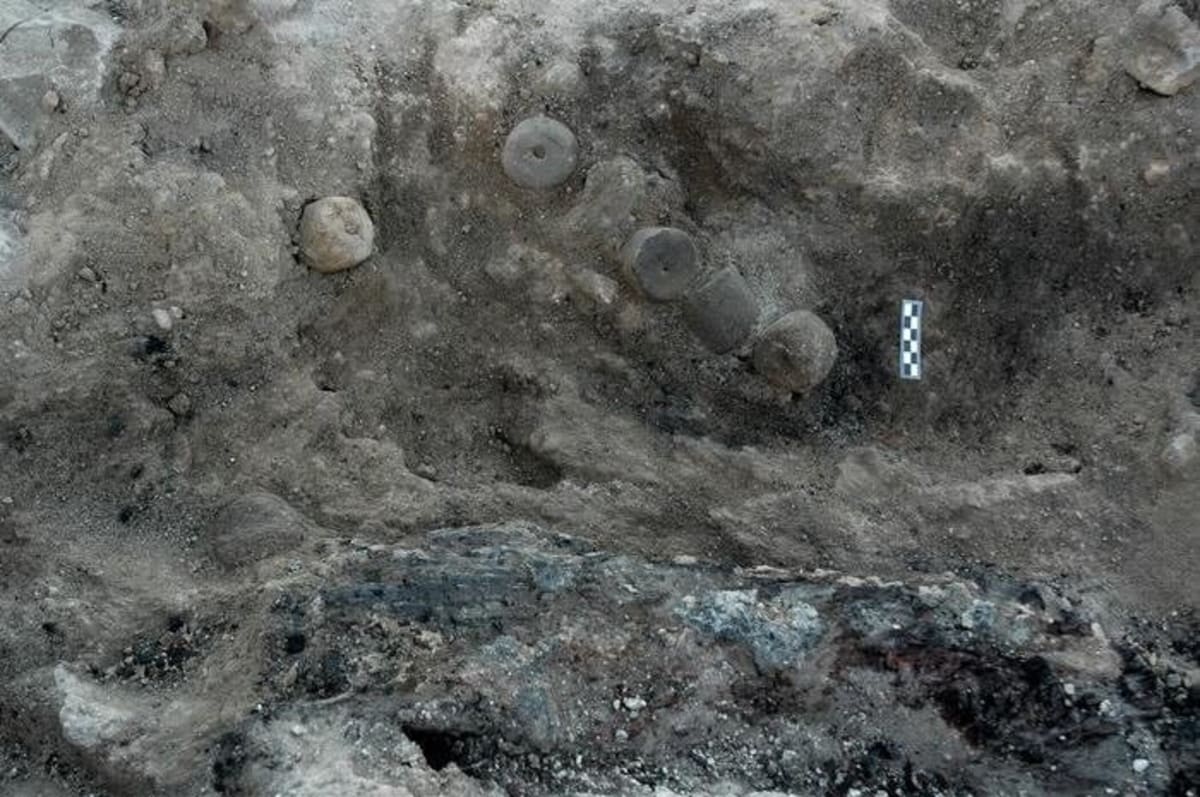
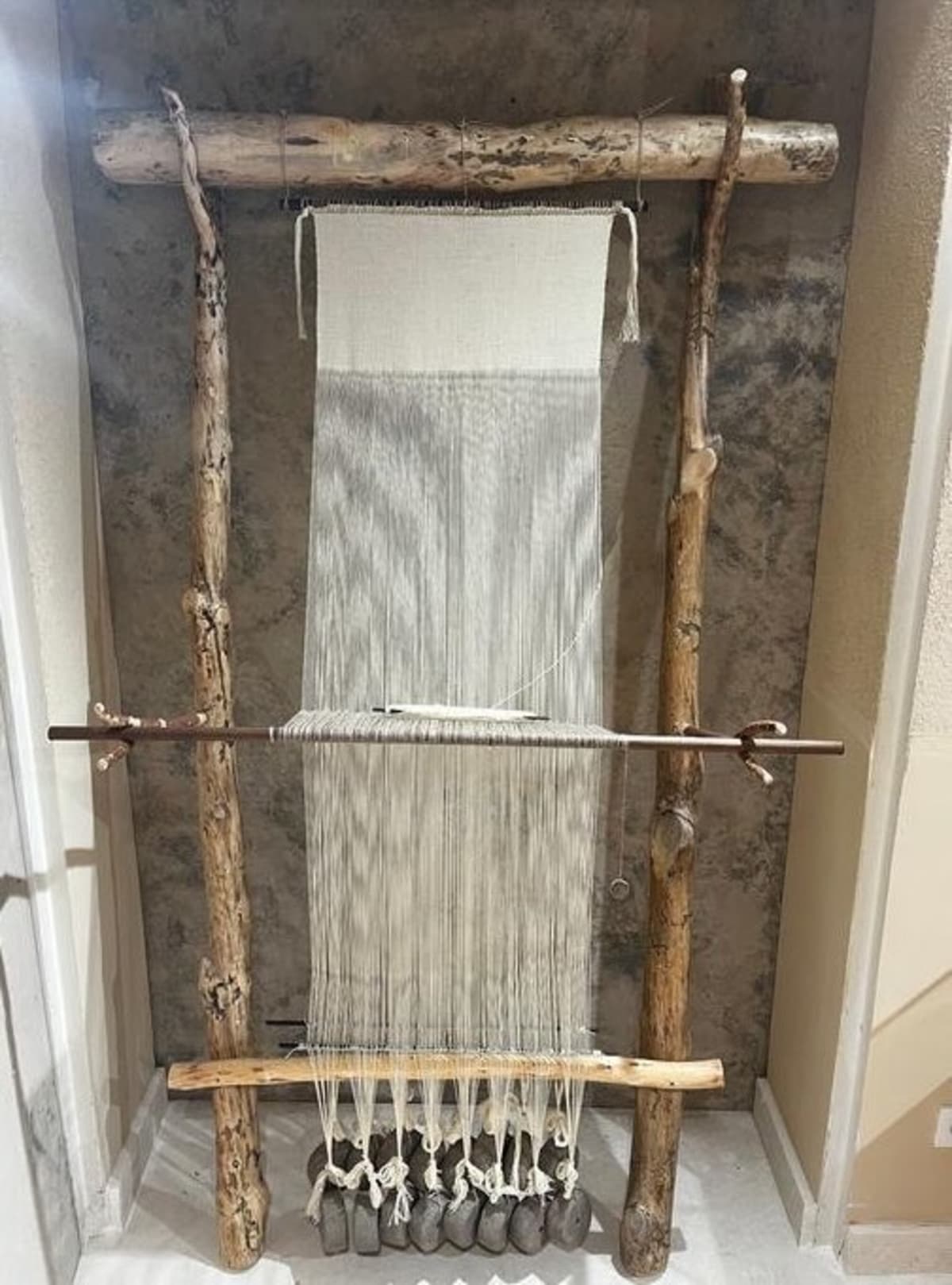
Researchers excavating the ancient village of Cabezo Redondo near Villena, Spain discovered something incredibly rare: a complete vertical loom with wooden beams, clay weights, and even woven esparto grass ropes still intact. Most looms from this era crumbled away centuries ago, leaving archaeologists to guess how they worked from scattered weights alone.
The fire charred the wooden pieces just enough to preserve them, then the collapsed ceiling sealed everything in place like a protective blanket. "Paradoxically, the fire both destroyed and preserved the site," said archeo-botanist Yolanda Carrión from the University of Valencia.
The loom itself tells a fascinating story. Its 44 cylindrical clay weights, each weighing about 200 grams, hung from pine beams carefully selected from old-growth trees in the surrounding area. Tiny cords still thread through some weight holes, showing exactly how weavers attached their threads.
This settlement thrived between 2100 BC and 1250 BC as a farming community, but discoveries of gold, silver, ivory ornaments, glass beads, and seashells prove residents traded across vast distances. The fabrics they wove on looms like this one likely traveled those same networks.
Why This Inspires
What makes this loom special goes beyond its age. Researchers found it in an outdoor communal workspace shared by multiple households, revealing that weaving wasn't solitary work but a cooperative effort bringing neighbors together.
"Different household groups may have collaborated on activities such as spinning, weaving and milling," explained Paula Martín de la Sierra from the University of Alicante. Picture families gathering in shared courtyards, working side by side on their crafts while children played nearby.
The loom represents what scientists call the "textile revolution" sweeping Bronze Age Europe. Communities were breeding sheep specifically for wool, designing lighter tools to create finer fabrics, and organizing production in new social ways that brought people together.
This technological leap allowed ancient weavers to create complex patterns like twills, producing fabrics sophisticated enough to become valuable trade goods. The careful selection of materials, from the long-lived pine trees to the precisely weighted clay, shows the pride craftspeople took in their work.
The discovery offers scientists something textbooks can't: the complete picture of how innovation happened on the ground, in real communities where neighbors collaborated to build something bigger than themselves.
That same spirit of cooperation still weaves through communities today, connecting us to ancestors who understood that working together creates something more beautiful than any of us could make alone.
More Images


Based on reporting by Good News Network
This story was written by BrightWire based on verified news reports.
Spread the positivity!
Share this good news with someone who needs it

%2Fhttps%3A%2F%2Ftf-cmsv2-smithsonianmag-media.s3.amazonaws.com%2Ffiler_public%2F75%2F34%2F75342ac4-0f4b-4563-a63d-3012f0feae31%2Fgettyimages-2293659629.jpg)
%2Fhttps%3A%2F%2Ftf-cmsv2-smithsonianmag-media.s3.amazonaws.com%2Ffiler_public%2Fef%2F5b%2Fef5b9055-962e-483d-b70c-ed912c2a6481%2Fviikinkaikainen_rahakatko.jpeg)