4 Schoolgirls Turn Lunch Idea Into Plastic Solution
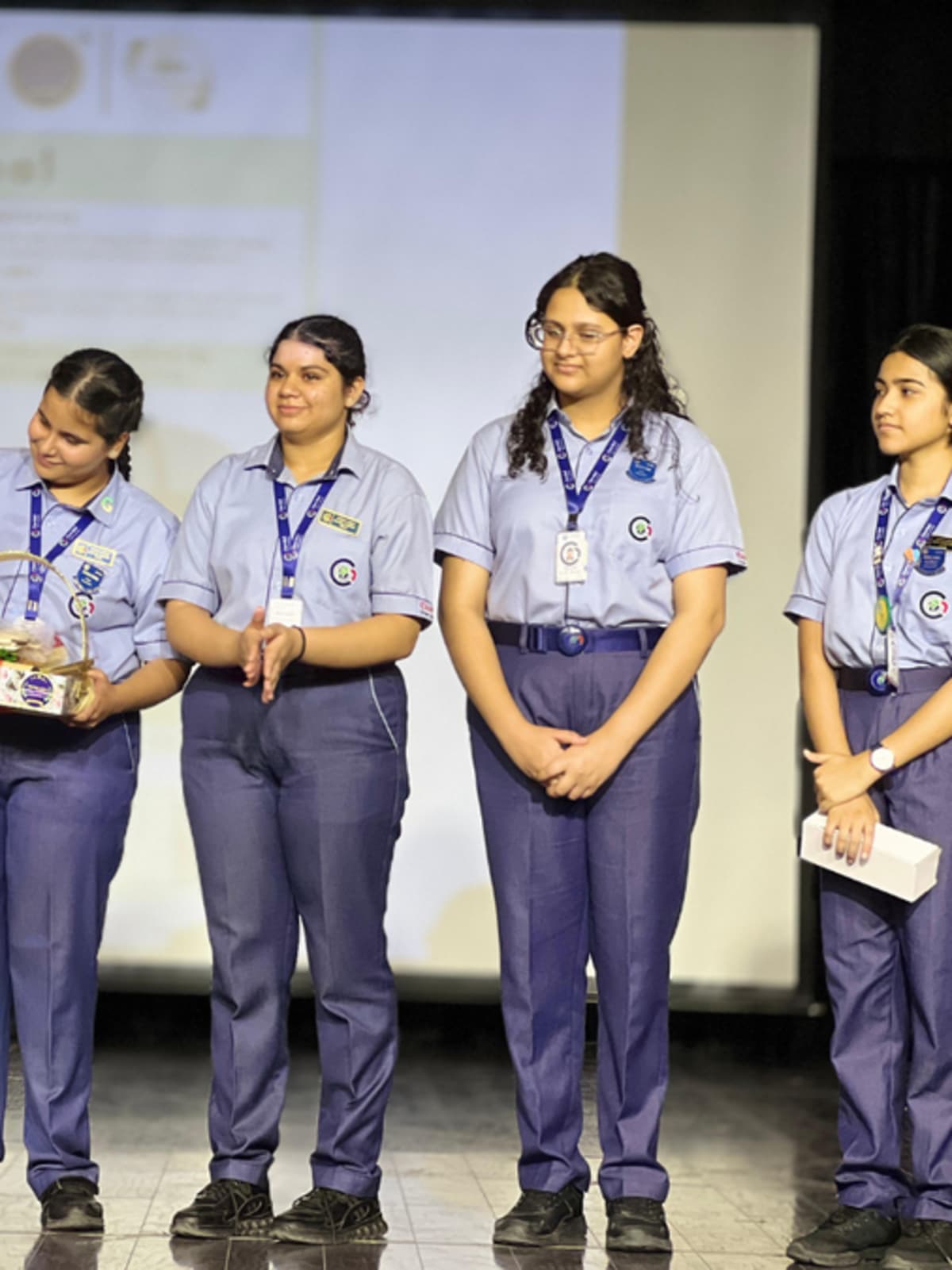
Four teenagers in Ghaziabad saw plastic waste everywhere and decided to stop waiting for adults to fix it. Their student-led initiative Pahal has sold hundreds of reusable bags and reinvested over ₹31,000 into fighting single-use plastic.
When Simran Arora, Akshita Joshi, Maanya Tyagi, and Arshya Singh looked around their Ghaziabad school, they saw plastic spoons, plastic bags, and plastic wrappers at every turn. Instead of shrugging it off as someone else's problem, they decided to become the solution.
It started during a school entrepreneurship program that asked students to identify a real-world issue. The answer was obvious to these four friends. Plastic waste wasn't just a problem in their textbooks or on the news. It was on their lunch tables every single day.
Their first victory happened right in their own cafeteria. After countless conversations and persistent convincing, they successfully replaced single-use plastic cutlery with reusable alternatives. That small win gave them something bigger: proof that teenagers could create real change.
They named their initiative Pahal, which means "a beginning" in Hindi. The name captured exactly what they were doing. This wasn't about being perfect or solving everything overnight. It was about starting somewhere.
Balancing homework, exams, and building a sustainability project brought plenty of challenges. There were rejections, setbacks, and moments when giving up seemed easier than pushing forward. But the four kept going.
They launched their first product: simple cotton tote bags designed to replace the plastic bags people grab without thinking. At a school event, they nervously set up with 100 bags, unsure if anyone would care. Every single bag sold out, and people kept asking for more.
As orders grew and profits climbed past ₹31,000, the girls faced an important choice. They could have pocketed the money. Instead, they reinvested every rupee back into Pahal's mission to reduce single-use plastic across India.
The Ripple Effect
What started as four friends talking during lunch breaks has inspired other students to look at everyday habits differently. Schools across their region have reached out asking how to start similar programs. Each tote bag sold represents one less plastic bag in circulation, and each conversation they have plants seeds for bigger changes.
Their message isn't complicated: change happens through small, practical swaps in what you carry, use, and throw away. These daily choices might seem tiny on their own, but when enough people make them, they add up to something much bigger.
Four teenagers proved you don't need permission to start making the world better.
Based on reporting by The Better India
This story was written by BrightWire based on verified news reports.
Spread the positivity!
Share this good news with someone who needs it