4-Year Ocean Study Unlocks Offshore Wind Breakthrough
Scientists just solved a major problem slowing down offshore wind farms by studying how ocean life affects underwater equipment. Four years of ocean monitoring revealed critical data that will help make floating wind turbines safer and more efficient.
Scientists studying underwater structures have cracked the code on one of offshore wind energy's biggest challenges.
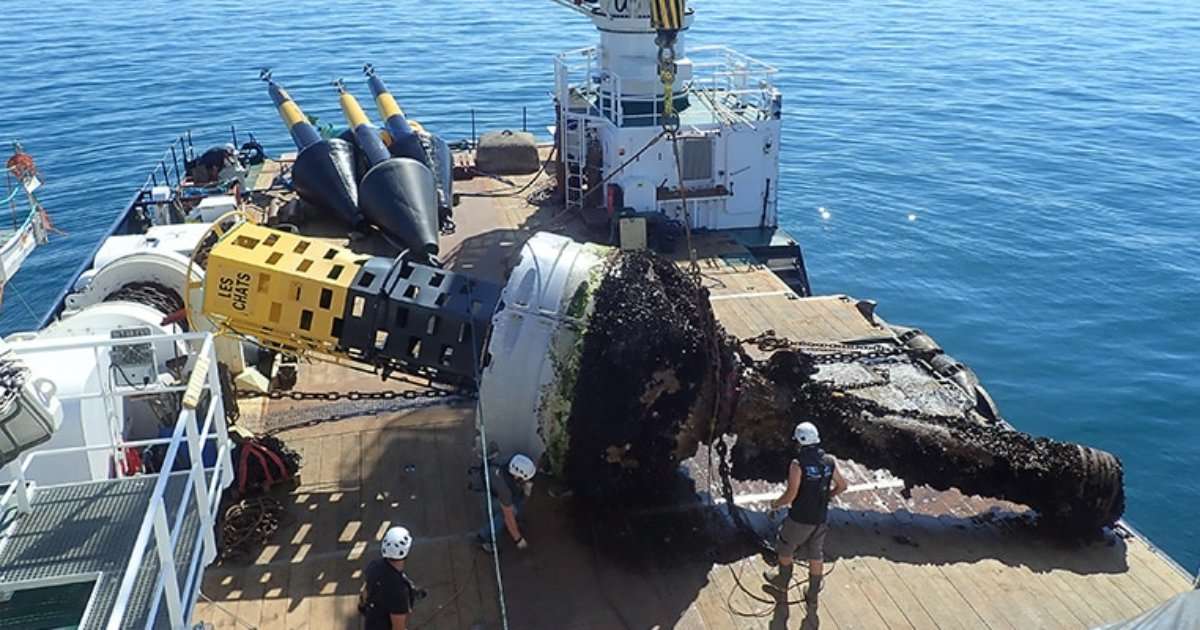
The BIODHYL project tracked how ocean organisms attach to floating wind turbine equipment over four years at sites across the Atlantic and Mediterranean. This biofouling process accelerates wear, increases costs, and can compromise critical components like mooring lines and power cables that keep turbines anchored.
Previous research lacked long-term ocean data, leaving engineers guessing about real-world conditions. The BIODHYL team changed that by placing test materials at different depths for up to four years, collecting measurements that had never been recorded before.
The findings are already reshaping how the industry designs offshore wind farms. Researchers discovered that a minimum two-year deployment period is essential to truly understand how marine life colonizes equipment at any given location.
They identified key factors influencing organism growth, including depth, pH levels, and ocean current speeds. This information gives engineers concrete numbers to work with instead of relying on outdated North Sea standards that don't match conditions in other waters.
The team also pioneered an innovative approach combining visual observation with genetic analysis. This method not only tracks which species attach to structures but also detects invasive species and reveals which fish are attracted to the artificial reef effect created by offshore installations.
The Ripple Effect
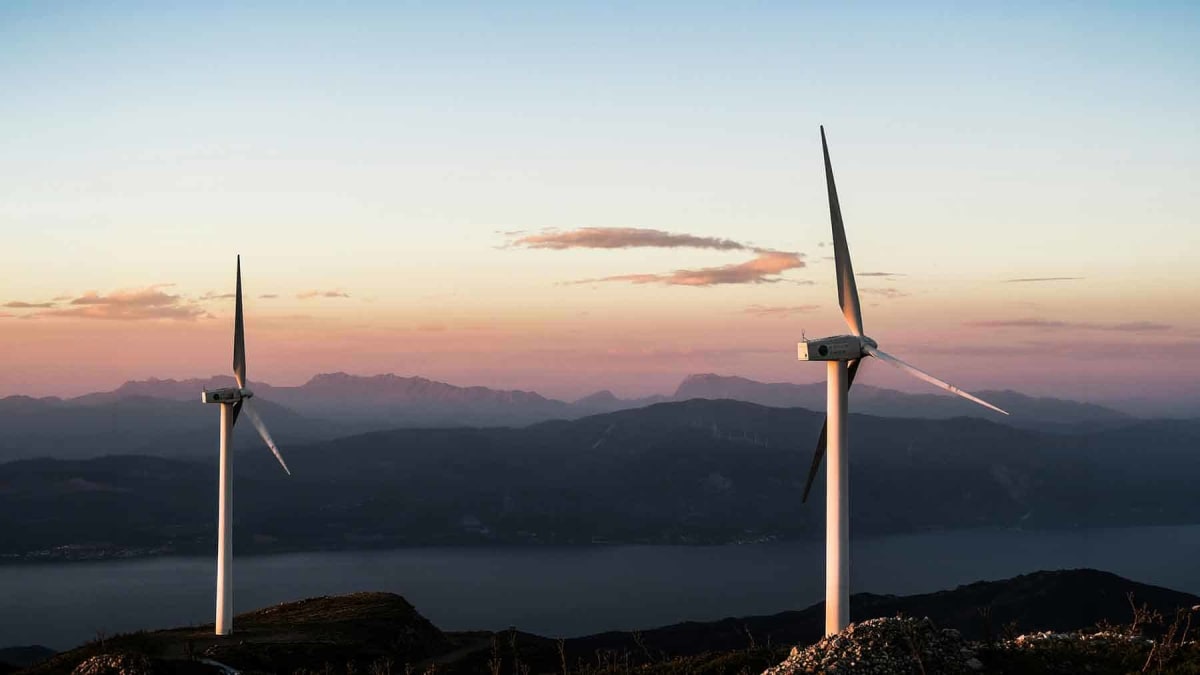
This breakthrough arrives at a perfect moment for renewable energy expansion. Floating offshore wind technology is scaling up rapidly worldwide, particularly in deeper waters where traditional fixed turbines can't reach.
Better biofouling predictions mean wind farms will require less maintenance, last longer, and generate more reliable clean energy. That translates to lower costs for renewable power and faster progress toward climate goals.
The research also created a roadmap for remote biofouling sensors that could monitor equipment without requiring expensive船visits. Future projects will test these innovations in real ocean conditions.
France Energies Marines led the project with support from the French government's France 2030 investment plan and four regional governments. The final results were shared with the industry in June, giving engineers immediate access to design improvements.
Ocean life and clean energy technology are learning to coexist more efficiently than ever before.
Based on reporting by Google News - Renewable Energy Breakthrough
This story was written by BrightWire based on verified news reports.
Spread the positivity!
Share this good news with someone who needs it