40 Species Gain Protection at UN Wildlife Summit in Brazil
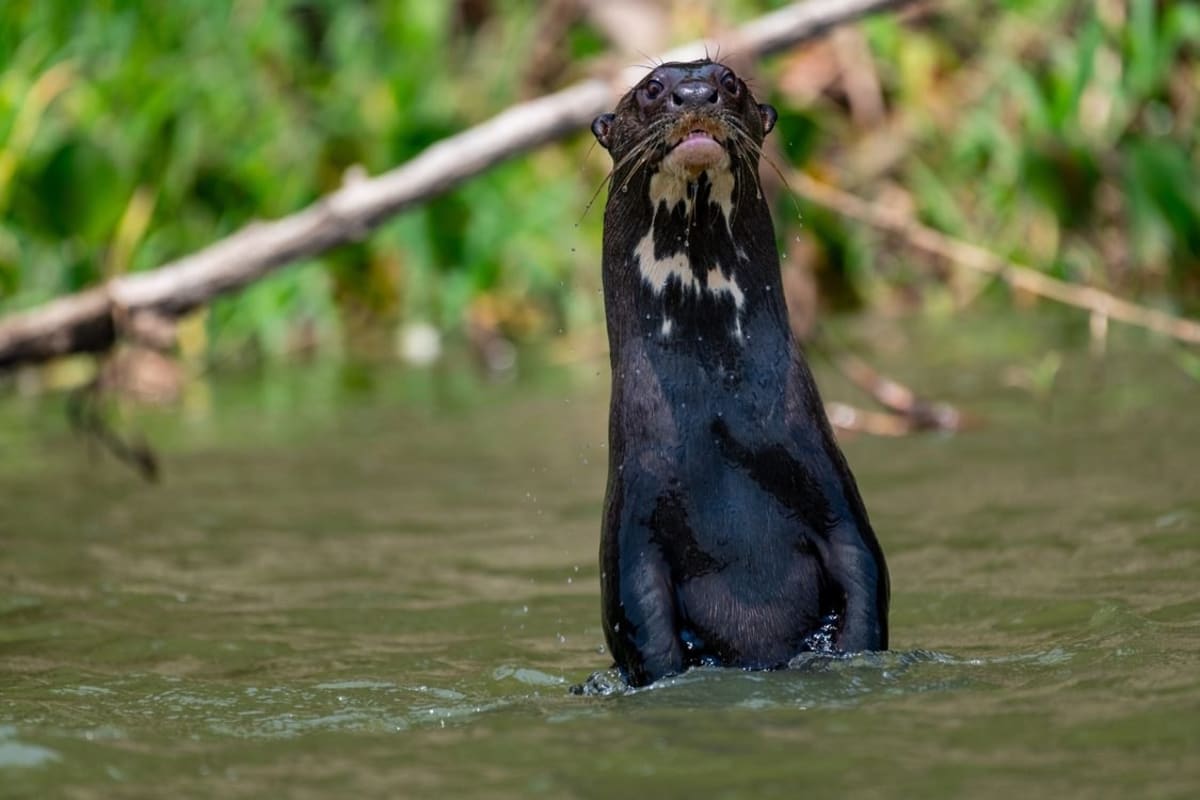
Giant otters, hammerhead sharks, and 38 other migratory animals just received international protections that will safeguard their journeys across borders. The groundbreaking conservation treaty now covers species from tiny godwit birds to massive sharks traveling the world's oceans.
Representatives from 132 countries gathered in Brazil this March and voted to protect 40 new animal species under one of the world's most powerful wildlife treaties. The animals, ranging from striped hyenas to manta rays, now have legal protections that follow them wherever they travel across international borders.
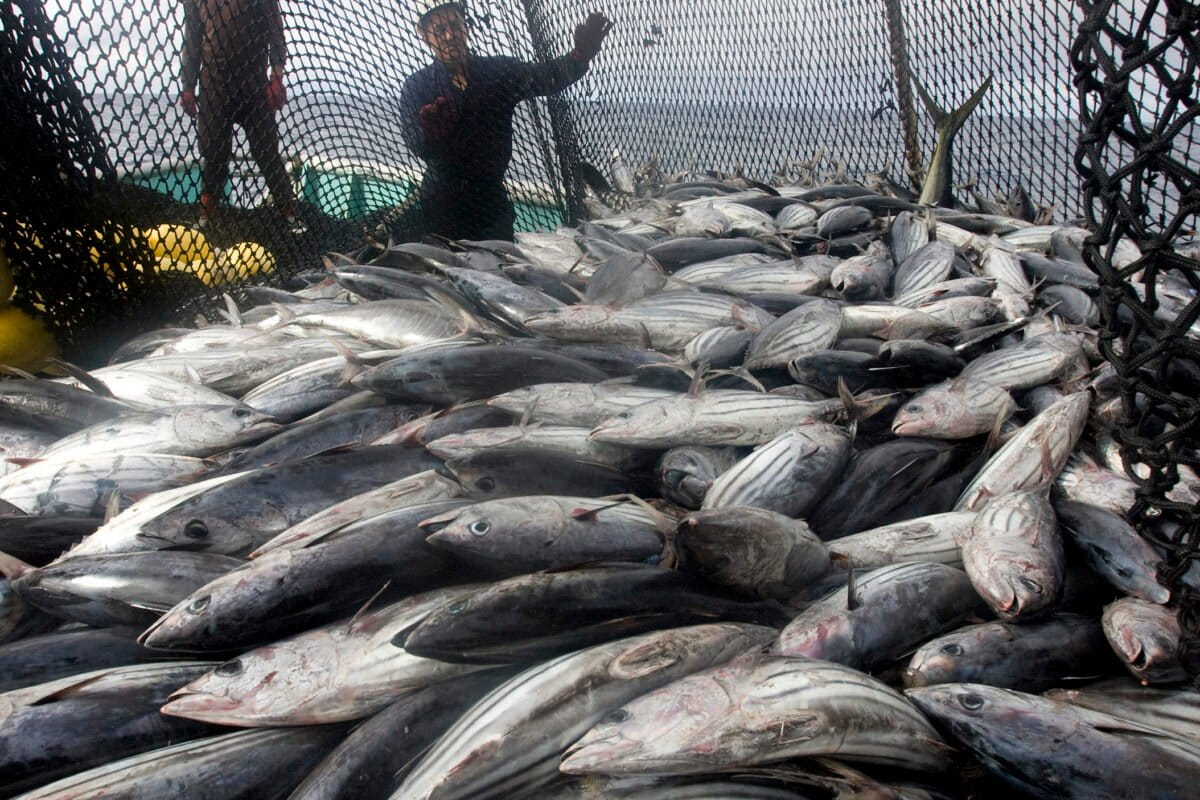
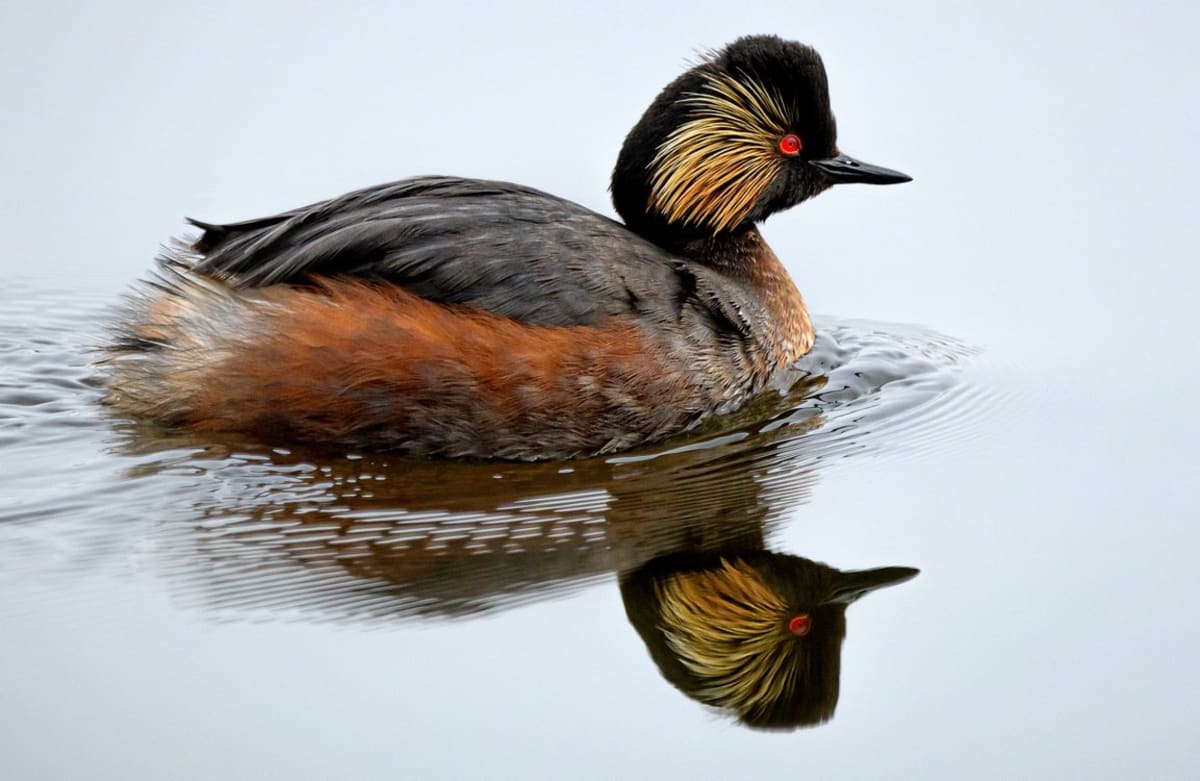
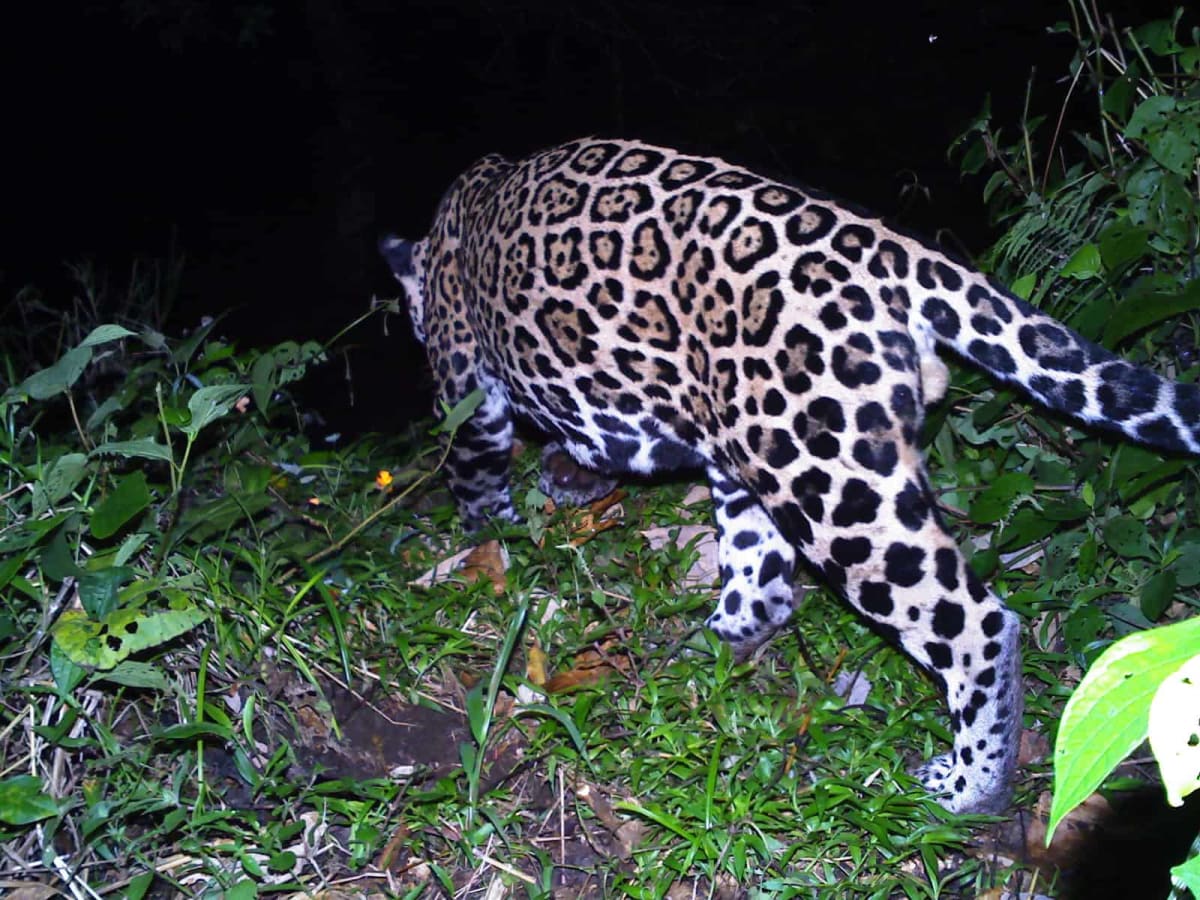
The Convention on the Conservation of Migratory Species added species from every habitat to its protected list. Two hammerhead shark species, thresher sharks, and manta rays gained ocean protections. Land animals like jaguars, giant river otters, and striped hyenas earned safeguards for their cross-border movements. Even birds like the snowy owl and Hudsonian godwit now have international backup.
The treaty works through two levels of protection. Appendix I covers species threatened with extinction that need immediate help everywhere they roam. Appendix II includes animals that need special international teamwork to safely cross borders and thrive in multiple countries.
Beyond adding species to the list, countries agreed on concrete action plans. They committed to protecting freshwater fish migrations, creating safe passages for jaguars, and reducing accidental shark deaths in fishing nets. These "Concerted Actions" have proven results, with giraffe populations jumping from 113,000 to 140,000 in just five years under a similar protection plan.
Susan Lieberman from the Wildlife Conservation Society addressed the summit and highlighted what these protections mean. "These listings send a clear signal that the global community recognizes the urgent need to act for species that depend on connected landscapes and waters that span borders," she said.
The Ripple Effect: When countries protect migratory species, they're investing in animals that may never stay within their own borders. Brazil's Environment Ministry Executive Secretary João Paulo Capobianco captured this shared responsibility perfectly. "We protect species that may never remain within our borders. We invest in a natural heritage we do not own, but are all responsible for," he explained at the summit.
The conference also approved new action plans for several sharks, dolphins, rays, Eurasian lynx, and chimpanzees. Amy Fraenkel, the treaty's Executive Secretary, acknowledged both the progress and the work ahead. "Our duty now is to close the distance between what we've agreed and what happens on the ground for these animals," she said.
Forty more species now have the world watching over their migrations, proving nations can unite when science shows the way forward.
Based on reporting by Good News Network
This story was written by BrightWire based on verified news reports.
Spread the positivity!
Share this good news with someone who needs it