Native Plants Surge 350% as Gardeners Ditch the Lawn
Once dismissed as weeds, native plants are now breaking sales records across the country as gardeners embrace climate-smart landscaping. A Chicago plant sale doubled its attendance this year, with nearly 1 in 5 plants sold being native species.
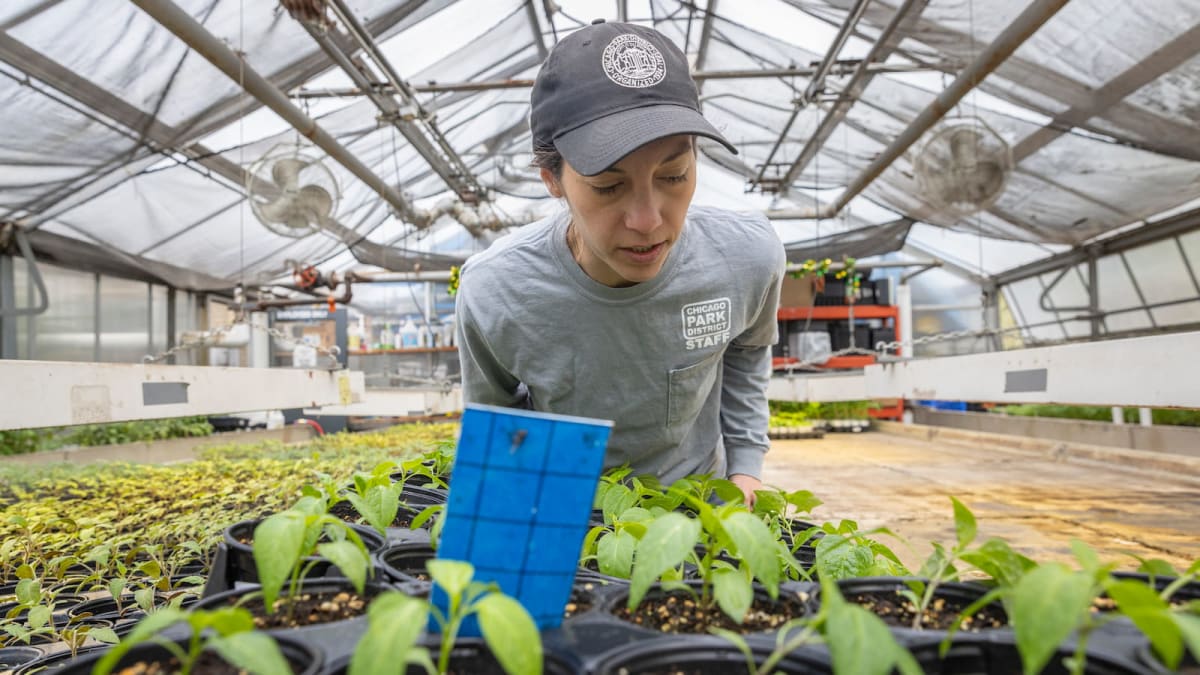
When Renee Costanzo opened the greenhouse roof at Chicago's Kilbourn Park this spring, she had no idea 2,300 people would show up to the annual plant sale. That's double last year's attendance, and native plants are driving the boom.
For decades, the 30-year-old sale attracted gardeners hunting for tomatoes, cucumbers, and colorful annuals. But this year, nearly 1 in 5 plants for sale were native species adapted to local climate and wildlife. "Just in the last five years, people have asked for more natives, which is why we've been increasing our production," said Costanzo, who tested 30 different native species to meet demand.
The shift is happening nationwide. Prairie Moon Nursery in Minnesota has seen sales skyrocket 350 percent in just seven years. Prairie Nursery in Wisconsin now ships 500,000 native plants annually, compared to barely surviving on $13,000 in revenue back in 1982.
Neil Diboll, who has run Prairie Nursery for 44 years, remembers when he couldn't give native plants away. "It's not a fad," he said. "This is a long, steady climb."
What changed? Gardeners are responding to declining insect populations and extreme weather fueled by climate change. Monarch butterflies need native milkweed to survive, but habitat loss has decimated their numbers. Meanwhile, native plants with deep root systems help prevent flooding while requiring less water and maintenance.
Wild Ones, a national nonprofit promoting native gardening, sold over 110,000 native plants through 107 community sales last year. The organization has grown from a small Milwaukee gardening club to 14,000 members nationwide.
The Ripple Effect
The native plant movement is creating unexpected connections between climate action and backyard beauty. When gardeners choose native species, they're building wildlife corridors that help pollinators survive in increasingly fragmented landscapes. Those deep roots that prevent flooding also store carbon and filter stormwater naturally.
Tiffany Jones of the National Wildlife Federation sees the bigger picture. "Native plants have been adapting to change for thousands of years," she said. "They're practical and beautiful."
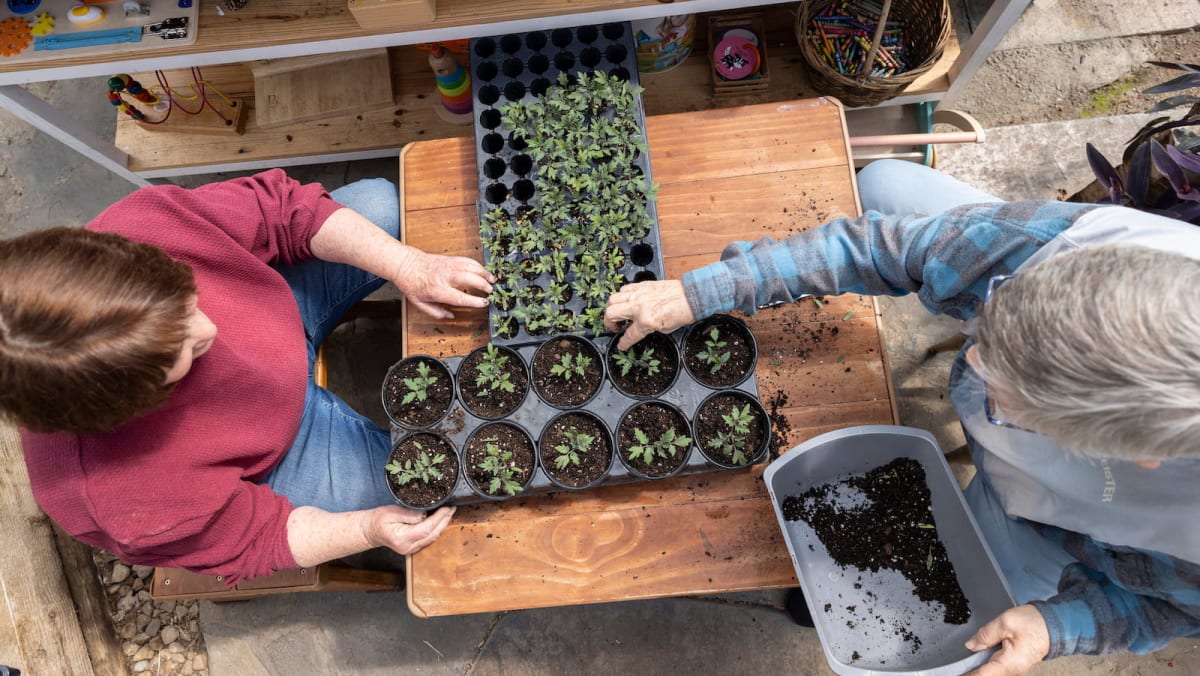
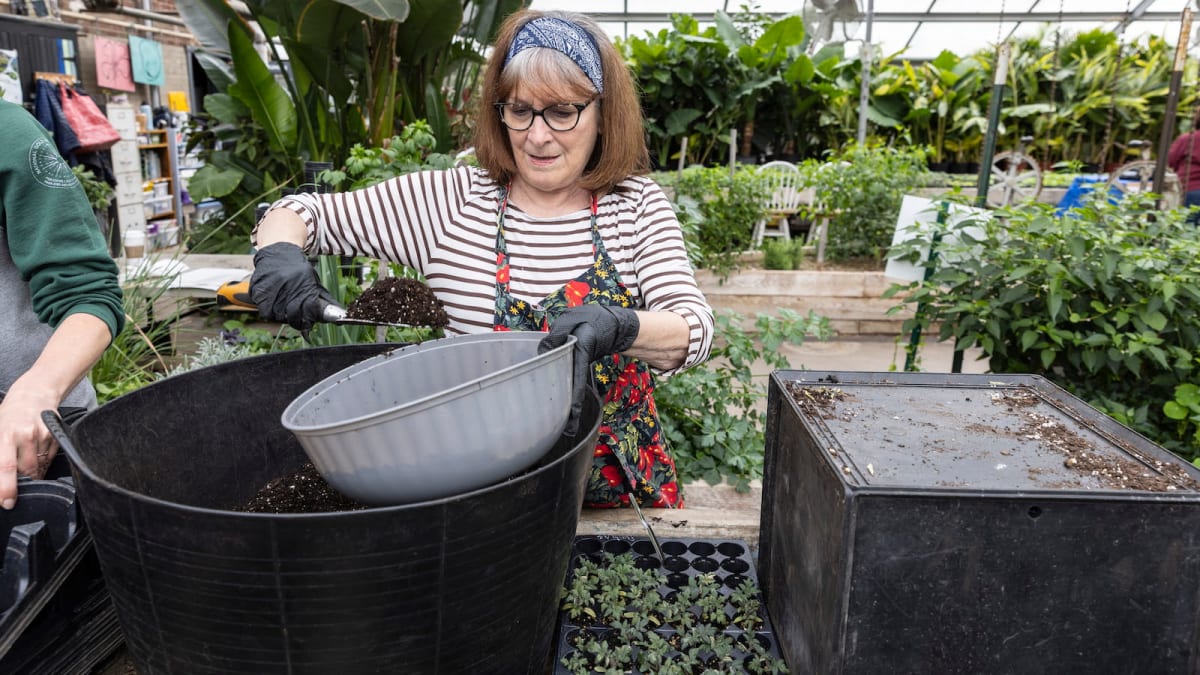
At Kilbourn Park, retired teacher Lourdes Valenzuela has volunteered for 12 years, spending months potting seedlings for the annual sale. For her and hundreds of volunteers nationwide, growing native plants has become a hands-on way to restore local ecosystems one garden at a time.
What started as dismissed weeds are now the hottest plants in America.
More Images

Based on reporting by Grist
This story was written by BrightWire based on verified news reports.
Spread the positivity!
Share this good news with someone who needs it