40-Year-Old Canned Salmon Reveals Ocean Recovery
Scientists discovered that tiny parasitic worms in decades-old canned salmon are actually good news for our oceans. Rising parasite levels in some species suggest marine ecosystems are bouncing back stronger than ever.
Finding worms in your dinner sounds like a nightmare, but scientists just discovered these tiny parasites might be telling us our oceans are healing.
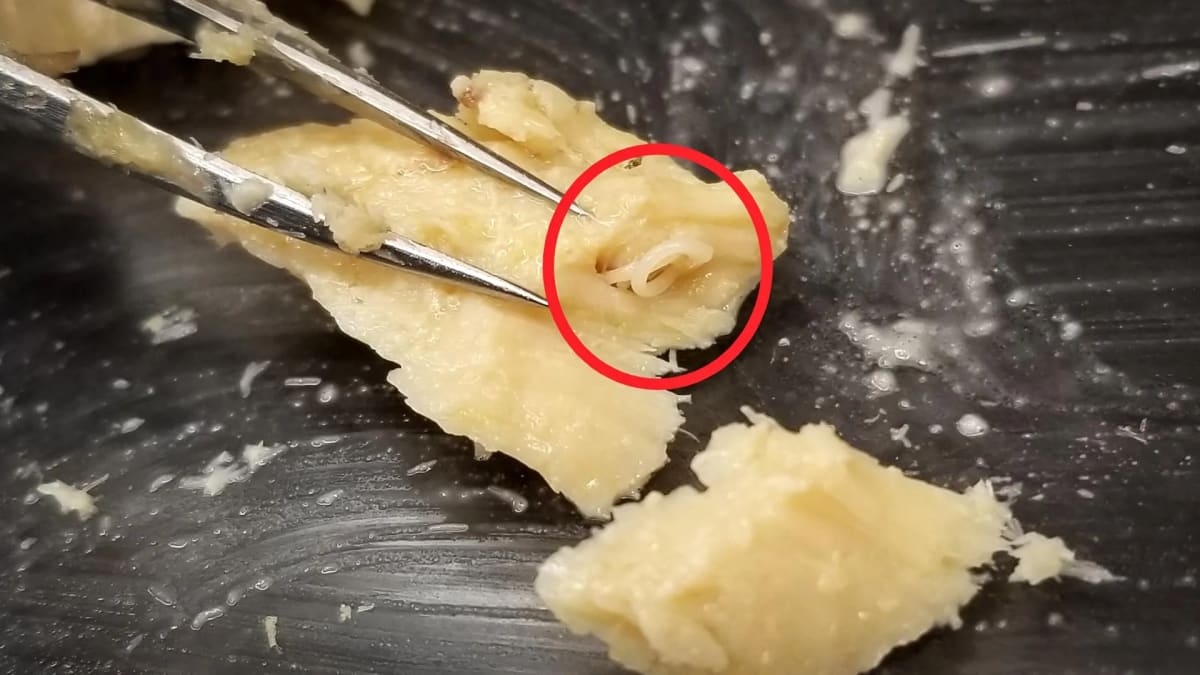
Researchers at the University of Washington cracked open 178 cans of salmon spanning 42 years and found something remarkable. The preserved fish contained rising numbers of anisakid worms, small parasites about the size of a paper clip that scientists call "sushi worms."
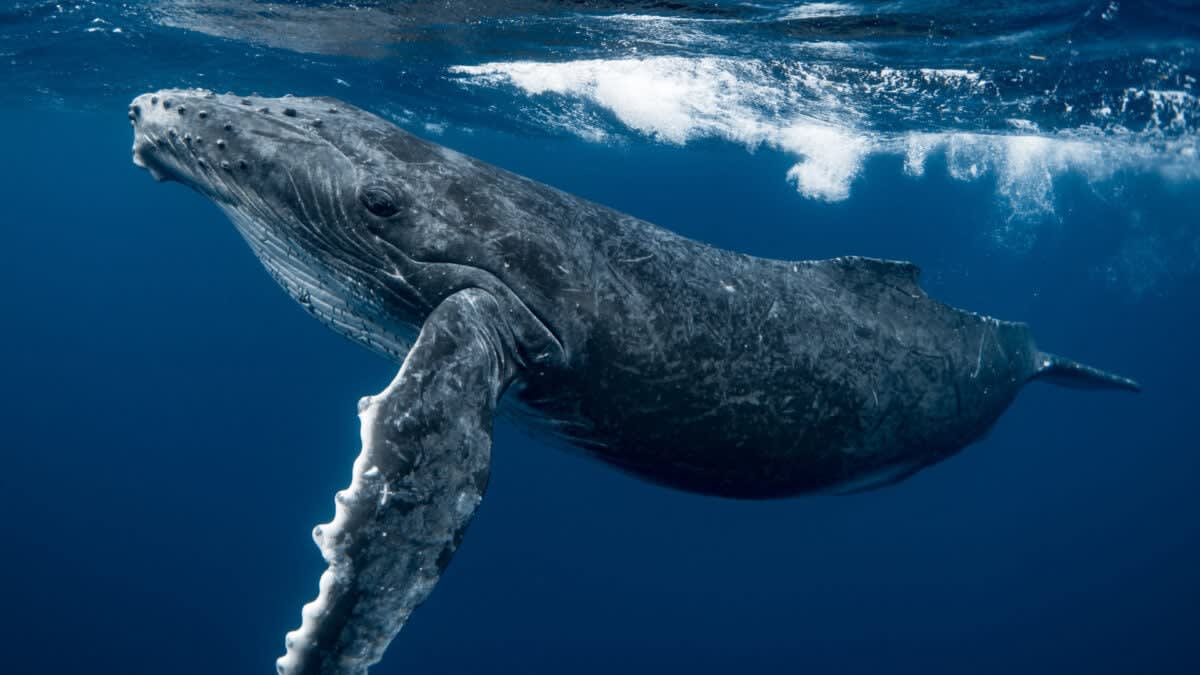
Here's why that's actually wonderful news. These parasites need a healthy, complete food web to survive, and they can only reproduce inside marine mammals like seals and whales.
"Everyone assumes that worms in your salmon is a sign that things have gone awry," said Chelsea Wood, associate professor of aquatic and fishery sciences. "But I see their presence as a signal that the fish on your plate came from a healthy ecosystem."
The team compared salmon canned between 1979 and 2021 from Alaska's Gulf and Bristol Bay. They found parasite levels increased significantly in pink and chum salmon, while staying steady in coho and sockeye species.
Lead researcher Natalie Mastick explains how these worms track ocean health. They start as free-floating organisms eaten by krill, which are eaten by small fish, which are eaten by salmon, which are eventually eaten by marine mammals. If any link in that chain breaks, the parasites disappear.
The rising numbers likely reflect the success of the Marine Mammal Protection Act of 1972. As seal, sea lion, and orca populations recovered from decades of decline, they created more opportunities for these parasites to complete their life cycles.
Before you worry about your next salmon dinner, know that properly cooked fish poses no risk. The canning process kills these worms completely, and they were never dangerous to humans anyway since we're not part of their natural life cycle.
The Bright Side
This creative research method opens exciting possibilities for tracking environmental recovery. The canned salmon acted as time capsules, preserving snapshots of ocean health across four decades when few other reliable samples existed.
The findings suggest that conservation efforts like the Marine Mammal Protection Act and Clean Water Act are working. After years of decline, Alaska's marine food webs appear to be rebuilding themselves from the bottom up.
What once sat forgotten in a warehouse for quality control purposes became proof that our efforts to protect ocean life are paying off. Sometimes the smallest creatures tell the biggest stories about how nature heals when we give it a chance.
Based on reporting by Science Daily
This story was written by BrightWire based on verified news reports.
Spread the positivity!
Share this good news with someone who needs it