Scotland's Trawling Ban Triples Sea Life in a Decade
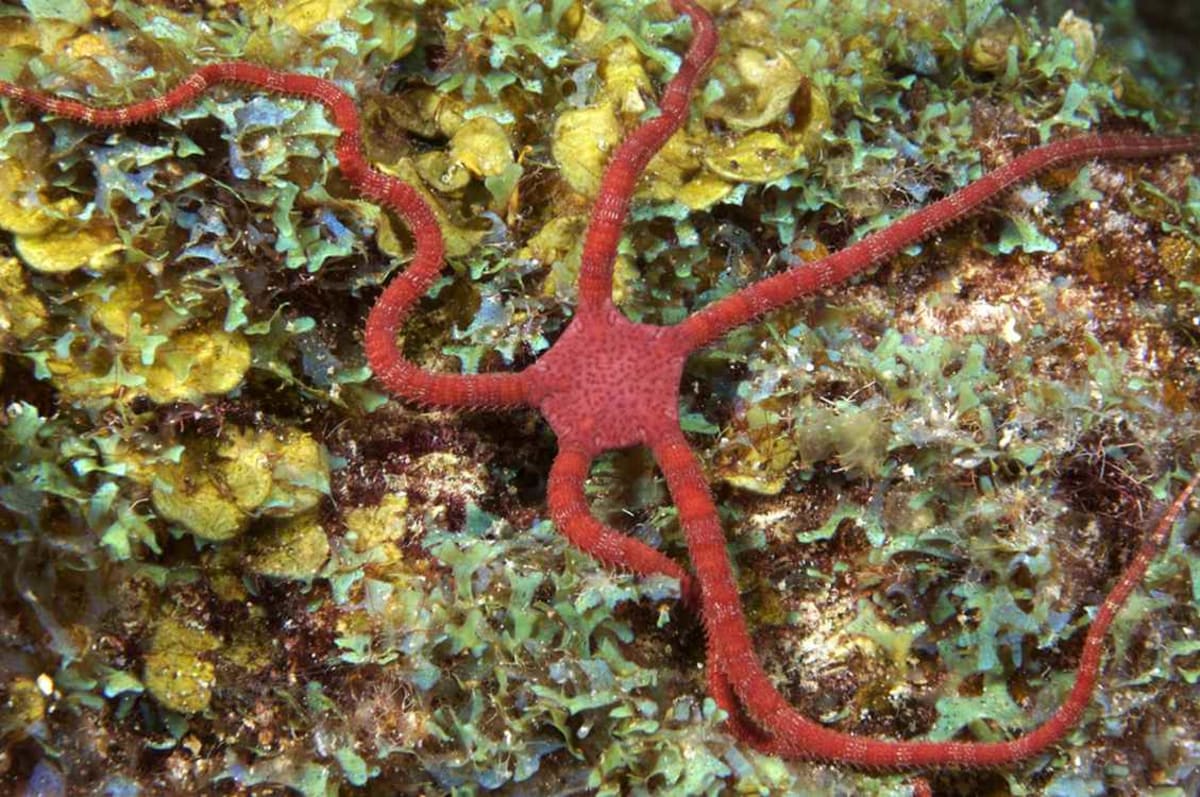
Ten years after Scotland banned bottom trawling in one protected area, scientists found three times more sea creatures and double the species compared to nearby fished zones. The muddy seabeds once thought barren are now teeming with 1,500 critical species.
A decade of protection has transformed what many assumed were empty ocean floors into thriving underwater neighborhoods.
Scotland's South Arran Marine Protected Area banned bottom trawling and dredging ten years ago, giving the seafloor a chance to heal. Scientists from the University of Exeter and Convex Seascape Survey recently compared this protected zone with nearby areas still open to fishing, and the difference was stunning.
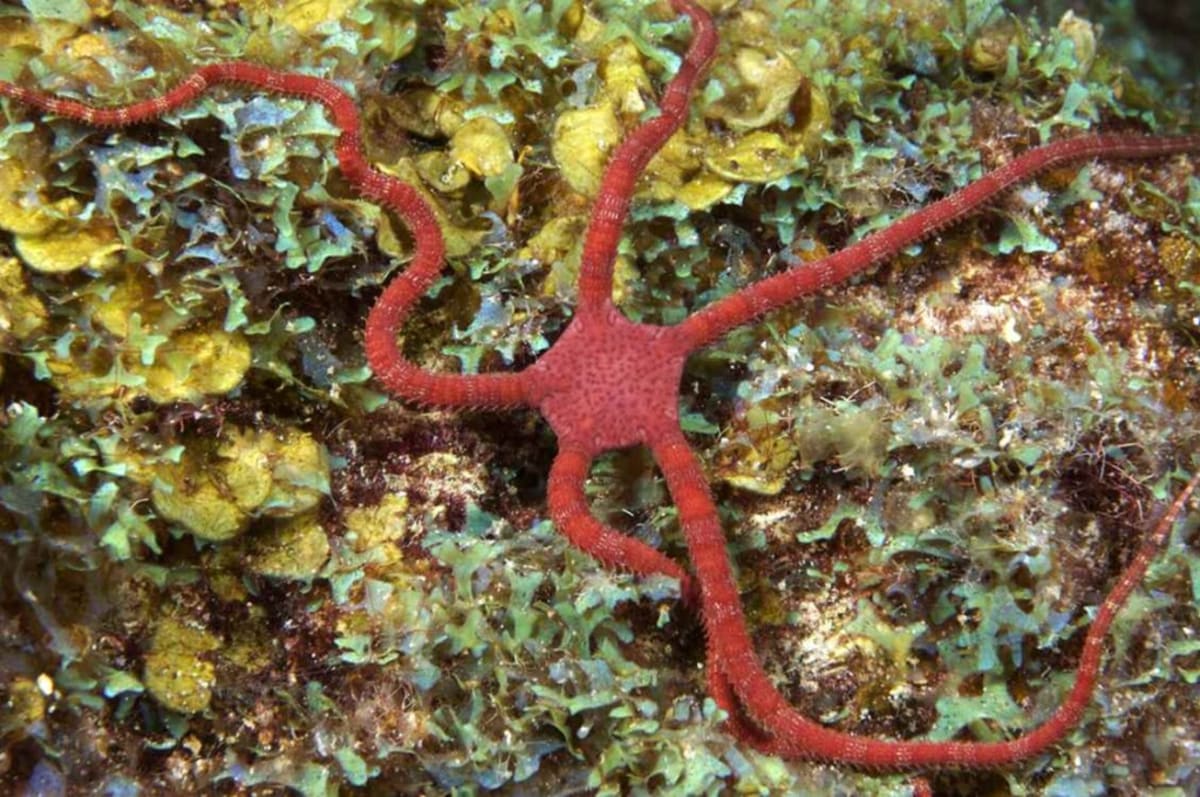
The protected seabed now hosts twice as many species and three times the abundance of marine life. Researchers identified 1,500 different species critical for keeping the ocean floor healthy and functional.
"These seabeds may appear empty, but they are anything but," said Dr. Ben Harris, who led the survey. The muddy depths that fishing boats once scraped clean are proving to be wildlife goldmines when left alone.
Marine creatures recolonized the protected area relatively quickly once the heavy fishing gear stopped churning up their habitat. The recovery shows what's possible when we give nature room to breathe.
The seabeds hold another treasure beyond the visible wildlife. Significant carbon reserves sit trapped in the muddy depths, part of the ocean's role in regulating global climate. While the creatures bounced back within a decade, scientists estimate these carbon stocks will need much more time to fully rebuild after years of disturbance.
The Ripple Effect
This Scottish success story offers a blueprint for ocean protection worldwide. Only a tiny fraction of European waters protected on paper actually extend those protections down to the seafloor, where bottom trawling can still scrape away life.
The research team hopes their findings will inspire broader adoption of seabed protection policies. When just one relatively small area can support 1,500 species after ten years of rest, imagine what protecting more ocean floors could achieve.
The recovery proves that muddy seabeds aren't barren wastelands but complex ecosystems worth protecting. These hidden communities do the quiet work of maintaining ocean health, storing carbon, and supporting the food webs that sustain larger marine life.
Scotland's decade of patience is paying dividends in biodiversity that future generations will inherit.
More Images


Based on reporting by Good News Network
This story was written by BrightWire based on verified news reports.
Spread the positivity!
Share this good news with someone who needs it