
New Tool Measures Conservation Success in 180 Countries
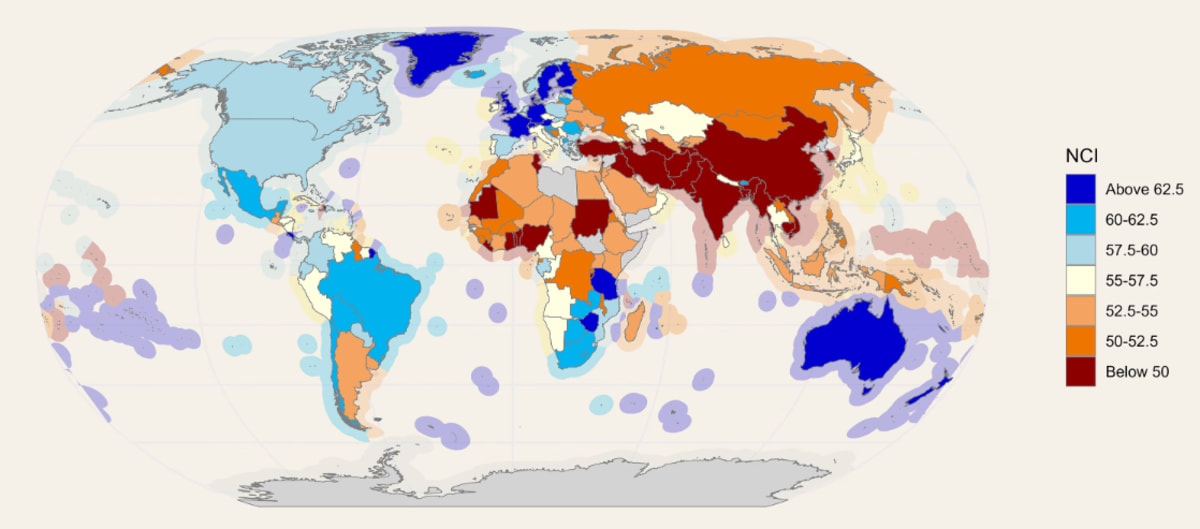
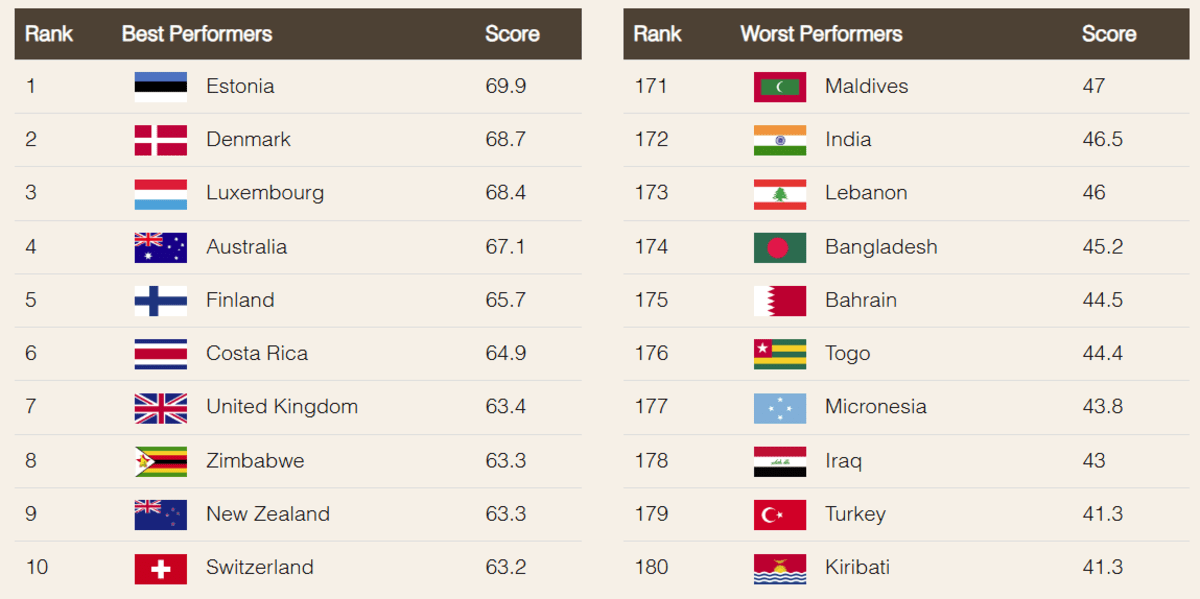
The Nature Conservation Index 2025 gives nations a clear scorecard on protecting ecosystems, introducing a breakthrough way to measure the health of wildlife, not just protected land area. This data-driven tool helps countries track progress toward saving 30% of Earth's land and oceans by 2030.
A new global measurement system is helping 180 countries understand exactly how well they're protecting nature, and it's revealing which conservation strategies actually work.
The Nature Conservation Index 2025 launched this year as the most comprehensive tool yet for tracking how nations protect their natural environments. Unlike previous methods that simply counted protected acres, this index digs deeper into what really matters: ecosystem health.
The biggest innovation is the Biodiversity Intactness Index, which measures how much of an area's original wildlife and plant life still exists and thrives. A forest might look green on a map, but if its predators are gone and invasive species have taken over, it's lost its ecological power. This new measurement catches that difference.
The timing couldn't be better. Nearly 200 countries have pledged to protect 30% of the world's land and oceans by 2030 under the Kunming-Montreal Global Biodiversity Framework. The index gives them a transparent report card on that promise, breaking down performance across categories like land management, governance, and threats to biodiversity.
The climate connection makes this even more urgent. Healthy ecosystems like old-growth forests, peatlands, and seagrass meadows absorb massive amounts of carbon dioxide from the atmosphere. When countries improve their conservation scores by restoring wetlands or protecting primary forests, they're also strengthening their climate defenses.
The Ripple Effect
The index is already changing how countries approach conservation. By showing what works in one region, it creates a playbook others can follow. When neighboring nations see successful strategies in action, they can adapt those approaches to their own landscapes.
Citizens now have concrete data to hold their governments accountable. If a country's Biodiversity Intactness Index drops, environmental advocates have factual evidence to push for stronger protections. The tool turns vague environmental promises into measurable commitments.
Developing nations rich in unique species can identify gaps in wildlife protection laws, while industrialized countries can pinpoint pollution problems destroying local waterways. Each country gets a customized roadmap for improvement based on its specific challenges and strengths.
The index highlights conservation success stories from around the world, showing that protecting nature isn't about sacrifice but smart investment in the systems that provide clean air, fresh water, and stable food supplies.
We now have a clear way to measure what matters most: keeping Earth's life support systems functioning.
More Images


Based on reporting by Google News - Conservation Success
This story was written by BrightWire based on verified news reports.
Spread the positivity!
Share this good news with someone who needs it