40 Years Saving Species: Small Grants, Big Conservation Wins
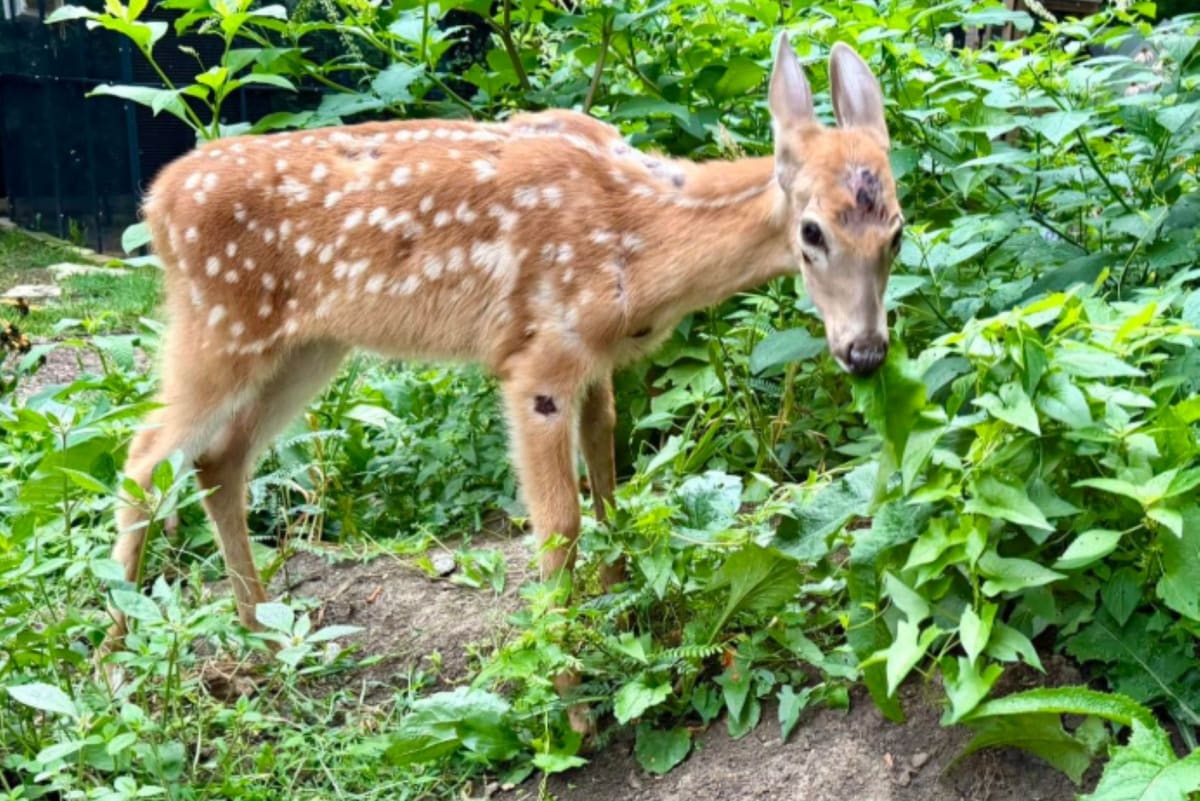
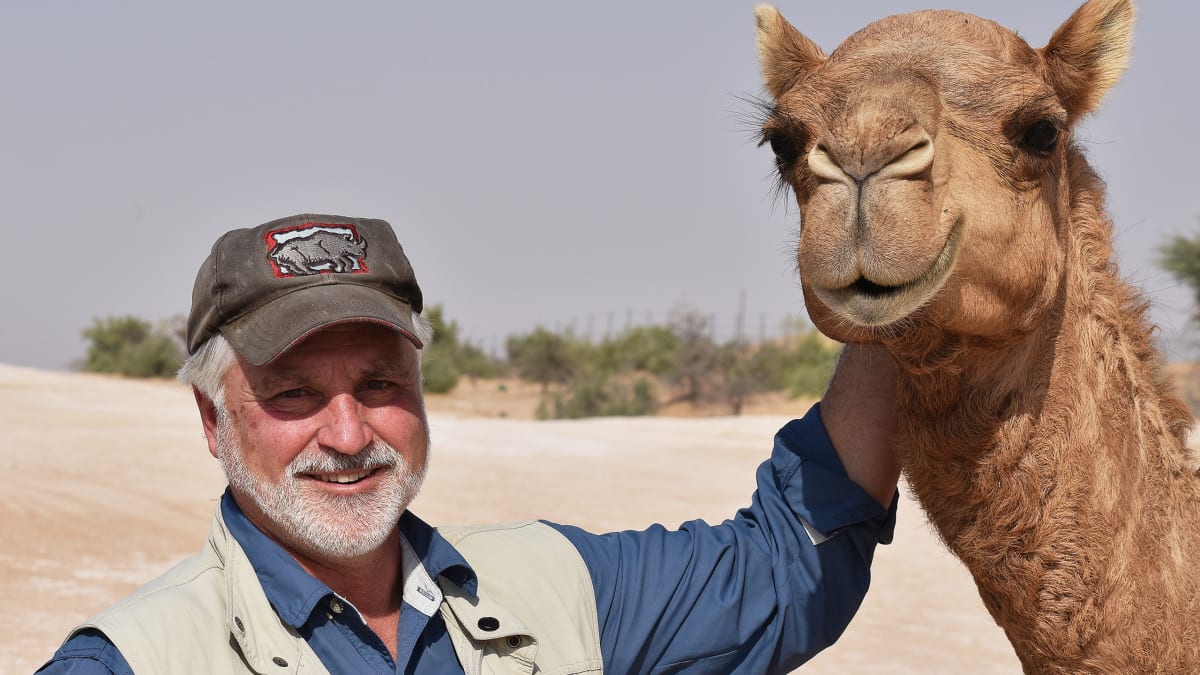
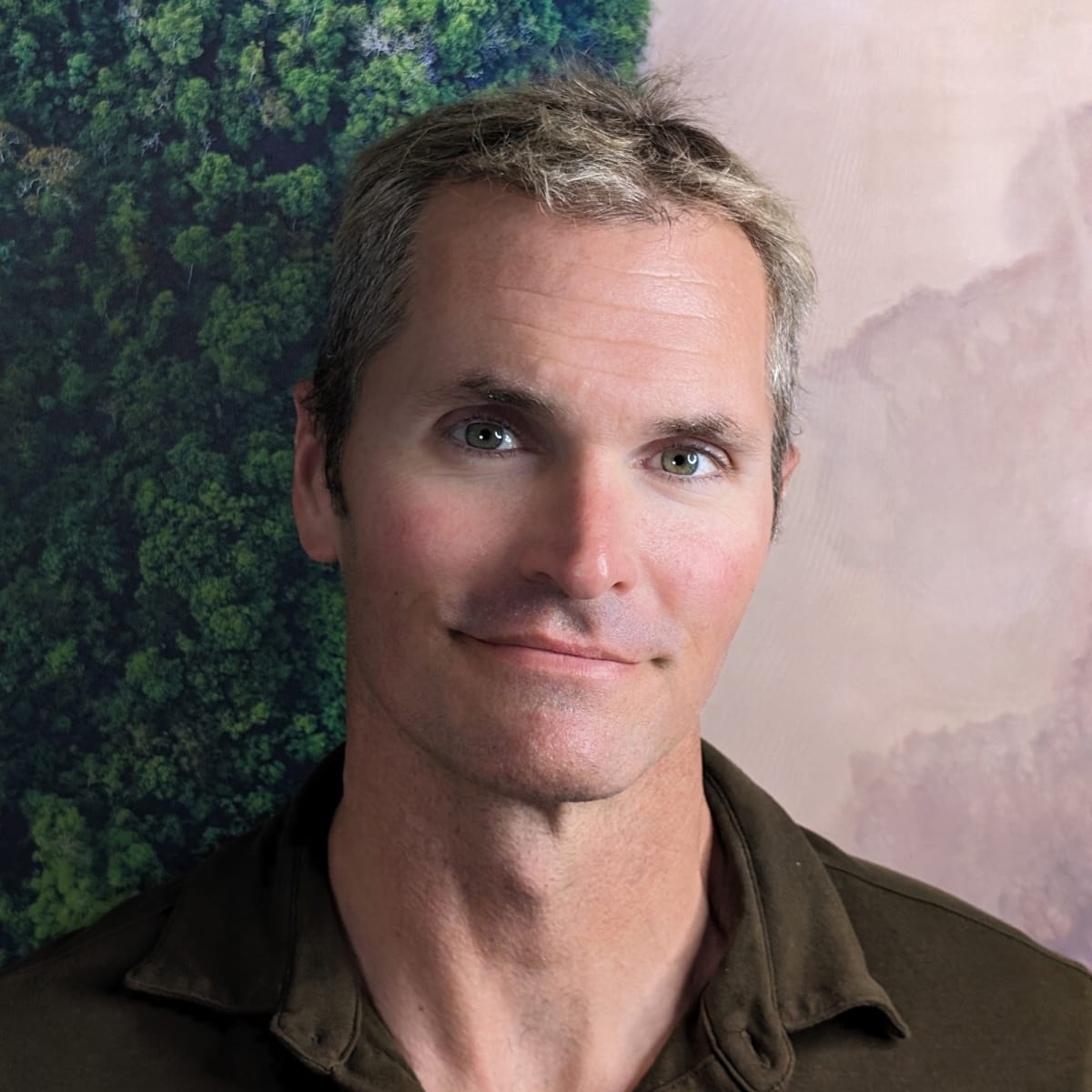
Wildlife conservationist Bill Konstant spent four decades proving that strategic small grants and local champions can save endangered species. His career shows conservation works best when diverse teams support field biologists where they need it most.
Bill Konstant has a simple philosophy about conservation work: be the catalyst, not the company man.
For more than 40 years, the wildlife conservationist has built species-saving programs, connected field biologists with funding, and supported threatened animals worldwide. His secret weapon? Small, strategic grants that help researchers start projects, bridge funding gaps, or prove their work deserves bigger support.
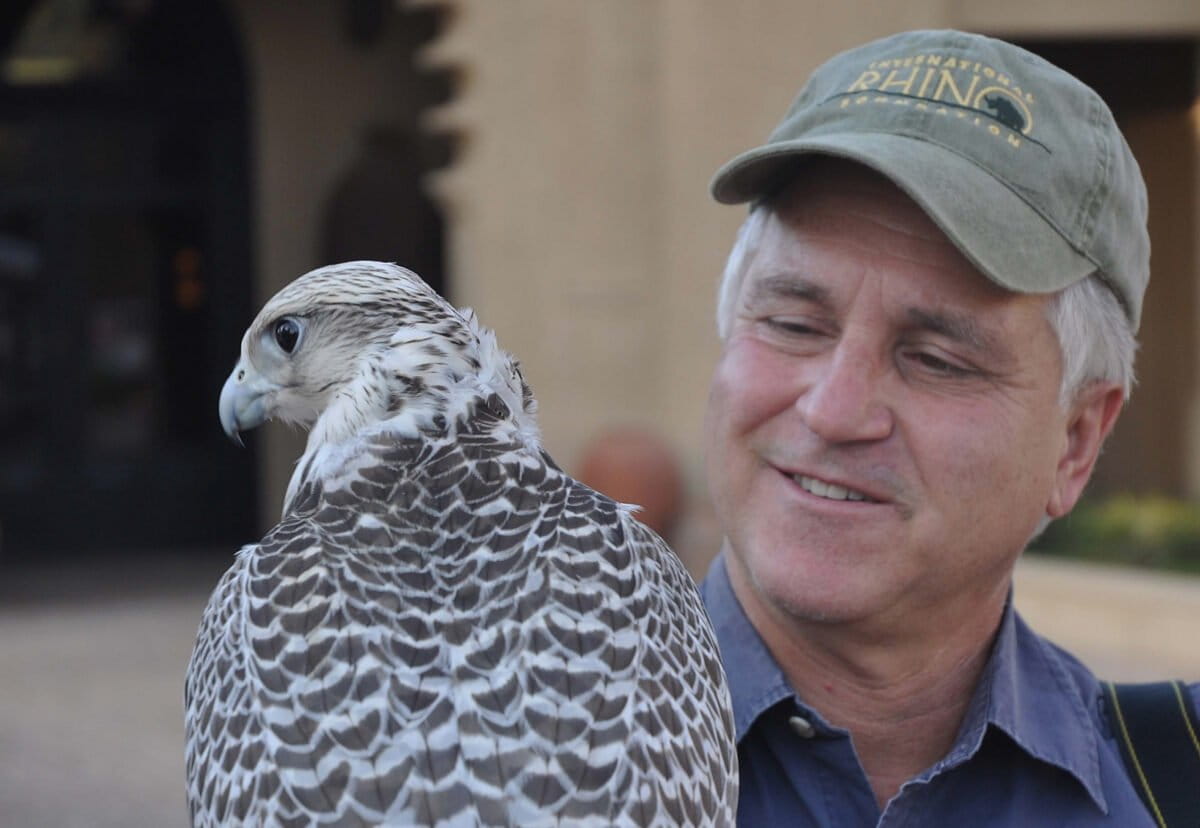
Konstant's journey began at Cornell University, where he worked under ornithologist Tom Cade, founder of the Peregrine Fund. That program helped restore peregrine falcons after DDT nearly wiped them out. Later, inspired by Jane Goodall's work, Konstant hunted down primatologist Russell Mittermeier at Stony Brook University, waiting outside his office until he appeared.
Mittermeier hired him, took him to Brazil, and introduced him to field researchers. Konstant's job was helping those scientists find resources to keep their projects running.
The pattern repeated throughout his career. At the Houston Zoo, Konstant and colleague Rick Barongi transformed a small conservation program into something ten times larger. At other organizations, he directed grants as small as a few thousand dollars to field biologists studying poorly known species.
Those small sums matter more than people realize, Konstant says. The best field biologists become experts at "cobbling together funds from multiple sources." A few thousand dollars can launch data collection, sustain work between major awards, or demonstrate enough progress to attract serious funding.
The Ripple Effect
Konstant has watched conservation mature over four decades. One of the most encouraging changes? The growth of career biologists and conservation organizations in countries where threatened species actually live.
Local leadership makes all the difference, he explains. Zoo programs languish without committed directors. Species need champions. The strongest efforts assemble what he calls a "motley crew" with different backgrounds and abilities focused on the same problem.
His 2023 memoir, "Wrestles With Wolves," captures animals ranging from golden frogs and rhinos to wolves and elephants. But the real story is about people: the field biologists, zoo staff, and local champions who do the daily work of saving species.
Konstant has moved between organizations throughout his career, spending roughly five years at each before departing. Mittermeier jokes about the pattern in the book's foreword. But Konstant sees himself as a catalyst in a chemical reaction: something that raises the system's energy but doesn't need to stay once the reaction takes off.
After 40 years, plenty of reactions are still underway. Habitat loss and declining wildlife populations remain urgent problems, but Konstant's career proves that committed people with strategic resources can turn the tide.
More Images
Based on reporting by Mongabay
This story was written by BrightWire based on verified news reports.
Spread the positivity!
Share this good news with someone who needs it