400 Volunteers 3D Print Drone Parts for Ukraine's Army
Across Europe, volunteers are running round-the-clock 3D printing operations in spare rooms and garages, producing vital drone parts and equipment for Ukrainian soldiers. This grassroots network has manufactured over 100 tonnes of military supplies, filling critical gaps when official channels run dry.
In a Warsaw garage, Alex runs three 3D printers seven days a week, producing safety switches for Ukrainian military drones that cost just pennies but save lives on the front lines.
When Russia invaded Ukraine, Alex and fellow expatriates wanted to help but didn't know how. Then a Ukrainian soldier friend asked him to mail a 3D printer so he could make his own supplies, and Alex realized he could do the printing himself.
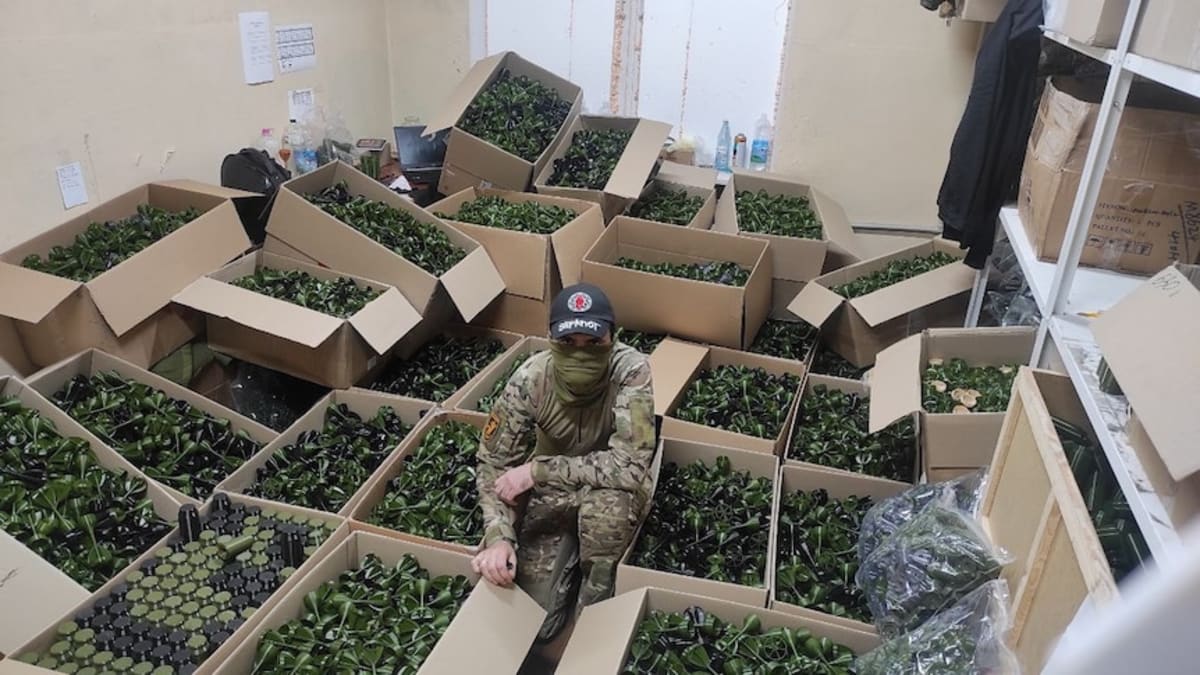
Now he's part of a volunteer network stretching across Europe, with about 400 active members producing everything from drone antennas to lightweight bomb casings. Last year alone, they manufactured 100 tonnes of plastic military components.
Lyosha, a Kyiv resident who helped establish the network two years ago, created a restricted-access website that works like an online store. Verified soldiers browse a catalog of available parts, place orders, and volunteers manufacture and ship the items directly to the front lines.
The system fills a crucial gap that government supply chains can't meet. The 3D printers quickly produce small parts and can rapidly adapt to new designs as drone technology evolves.
In London, Etienne Paresys had never used a 3D printer before joining a similar network called Print Army. He now runs his machines nonstop, printing overnight while he sleeps and continuing during his work day, producing over 100 kilograms of parts.
The lightweight plastic drone casings volunteers produce allow Ukrainian drones to fly further behind enemy lines. Volunteers print the shells, then military personnel add explosives and detonators to create functional weapons.
The Ripple Effect
This grassroots manufacturing movement represents something bigger than military supply. At least 30 known volunteer groups operate across Europe, some running printer farms with 30 or more machines, showing how ordinary citizens can make extraordinary impact.
People who had never touched a 3D printer before are now running mini-factories from their homes. They buy their own equipment and materials, learn the technology, and dedicate their spare time to helping soldiers they'll never meet.
The network operates in secret, never disclosing locations due to Russian attack threats, yet it continues growing as more volunteers discover they can contribute to Ukraine's defense from their own living rooms.
Across Europe, the sound of 3D printers humming through the night has become a quiet anthem of hope and solidarity.
More Images


Based on reporting by ABC Australia
This story was written by BrightWire based on verified news reports.
Spread the positivity!
Share this good news with someone who needs it