4,000 Red Spruce Trees Return Home to Roan Mountain
After traveling thousands of miles from Washington state, 4,000 red spruce seedlings found their final home atop Roan Mountain this week, thanks to 60 volunteers working to save one of America's most endangered ecosystems. The planting marks a major step in restoring the Southern Appalachian Spruce-Fir Ecosystem, which Hurricane Helene devastated just months ago.
Seeds that started their journey on Roan Mountain traveled across the country and back again, returning as 4,000 healthy red spruce trees ready to heal a wounded ecosystem.
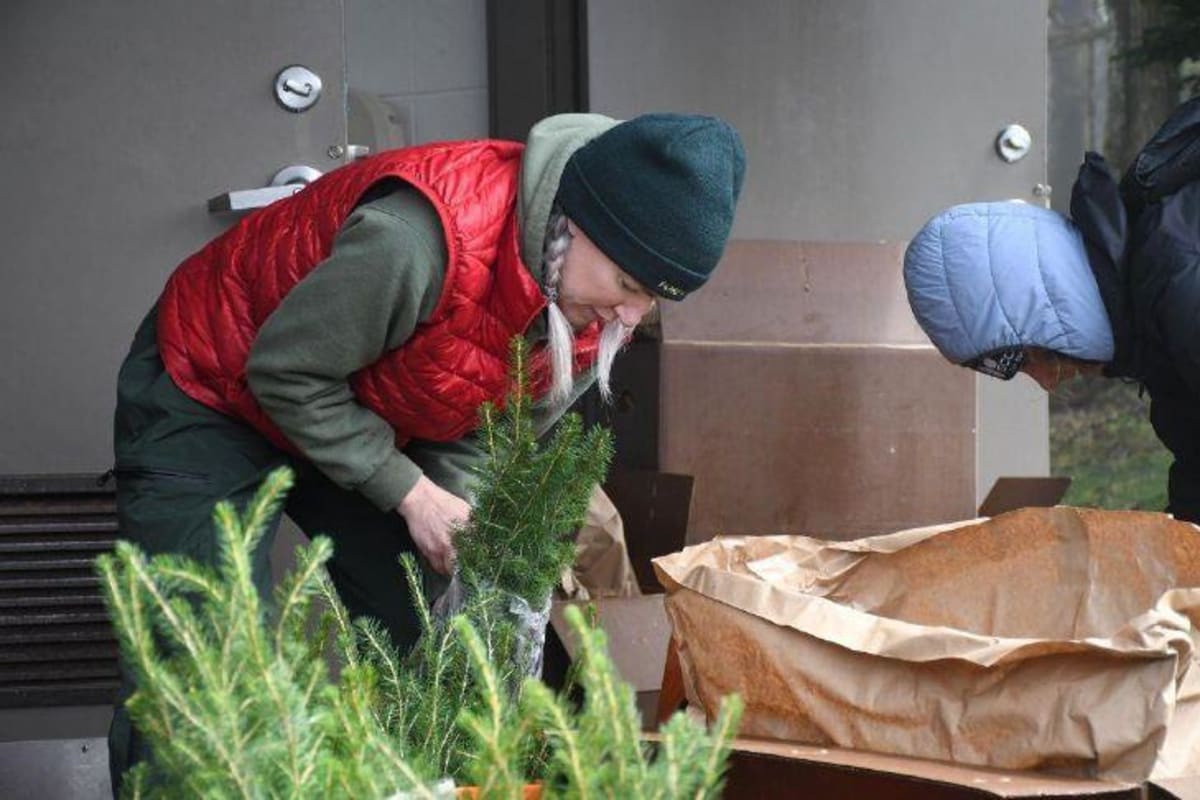
Sixty volunteers gathered atop Roan Mountain this week to plant the trees, which spent their early lives in a specialized Washington state greenhouse. The seedlings originally came from seeds collected on White Top and Roan Mountain, then traveled to West Virginia, Washington, Southwest Virginia, and finally Asheville before making their final trip home.
The planting addresses urgent damage from Hurricane Helene, which devastated the Southern Appalachian Spruce-Fir Ecosystem last year. This rare forest ecosystem exists only on the highest peaks of the Southern Appalachians and ranks among America's most endangered environments.
"It was a lot of very sad field trips right after Helene," said Matt Drury, associate director at the Appalachian Trail Conservancy. "A lot of us were kind of brought to tears because we love this place so much."
The forest has weathered a century of challenges. Industrial logging in the early 1900s destroyed half the ecosystem's original range, followed by wildfires and invasive insects.
Hurricane Helene's downed trees created a dangerous new problem. The typically moist habitat started drying out, threatening rare species like the Carolina northern flying squirrel and spruce-fir moss spider.
"When it's wide open like this, the moisture's dropping, which, in addition to the massive wildfire threat, it's also just not good for the spider," said Gary Peeples, field office supervisor for the U.S. Fish and Wildlife Asheville field office.
The Ripple Effect
The Southern Appalachian Spruce Restoration Initiative brings together academic, nonprofit, and government organizations working as one. Their careful selection of red spruce gives the ecosystem its best chance at long-term survival, even as climate change threatens high-elevation forests.
Joe DeLoach has visited Roan Mountain for 60 years. Standing where he once enjoyed a dark, thriving forest, he planted seedlings Tuesday morning in soil that Helene had stripped bare.
"I wanted to be able to help out in reforesting it," DeLoach said. "Hopefully get that place back to a really dark forest like it used to be."
The initiative plans to plant 3,000 more trees on nearby preserves with American Relief Act funding. Each seedling represents not just forest recovery, but proof that devastated ecosystems can heal when communities come together.
More Images
Based on reporting by Google News - Reforestation
This story was written by BrightWire based on verified news reports.
Spread the positivity!
Share this good news with someone who needs it
%2Ffile%2Fattachments%2F2998%2F14147038_376896.jpg)