40,000-Year-Old Ivory Birds Found in German Cave
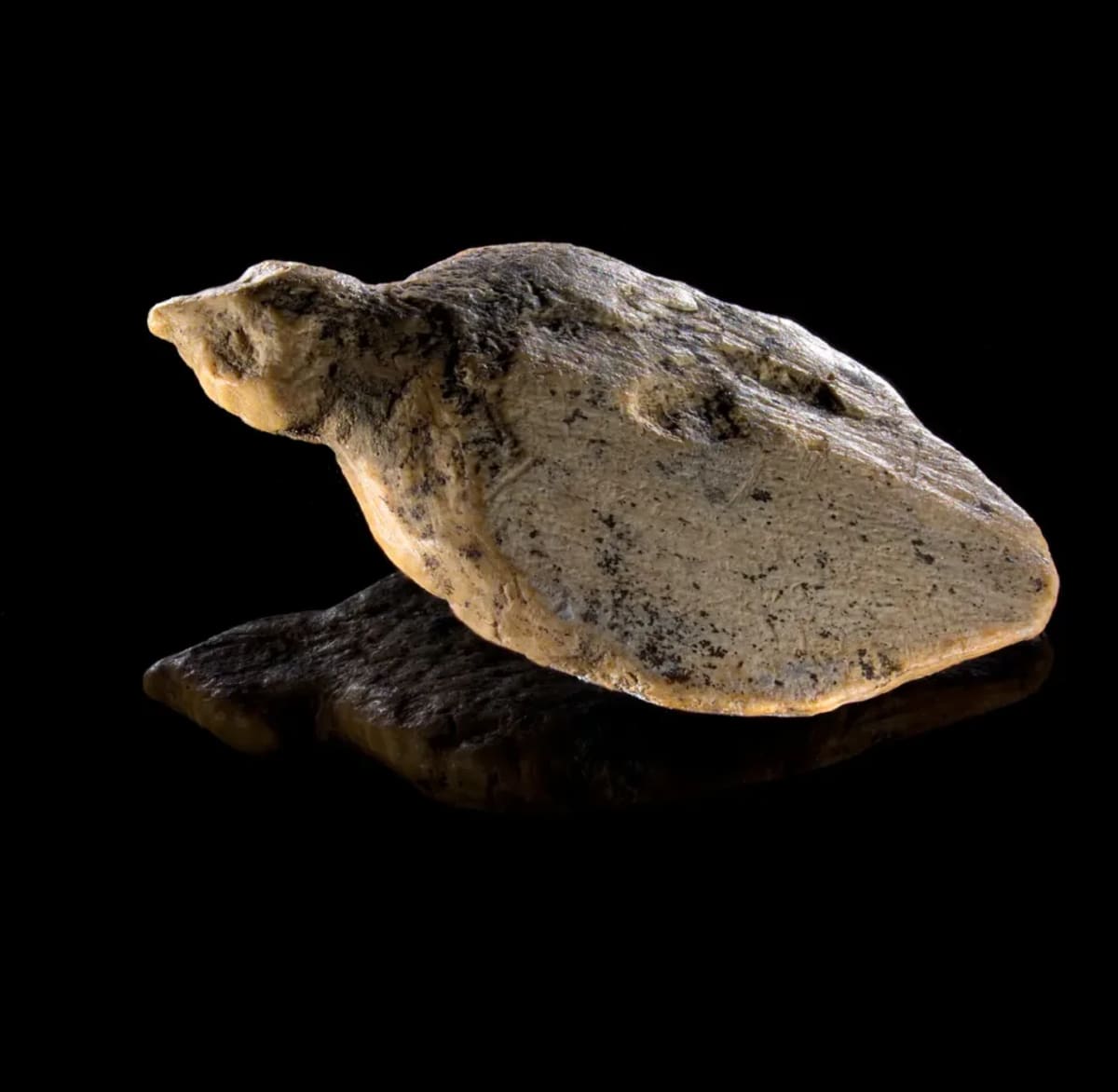
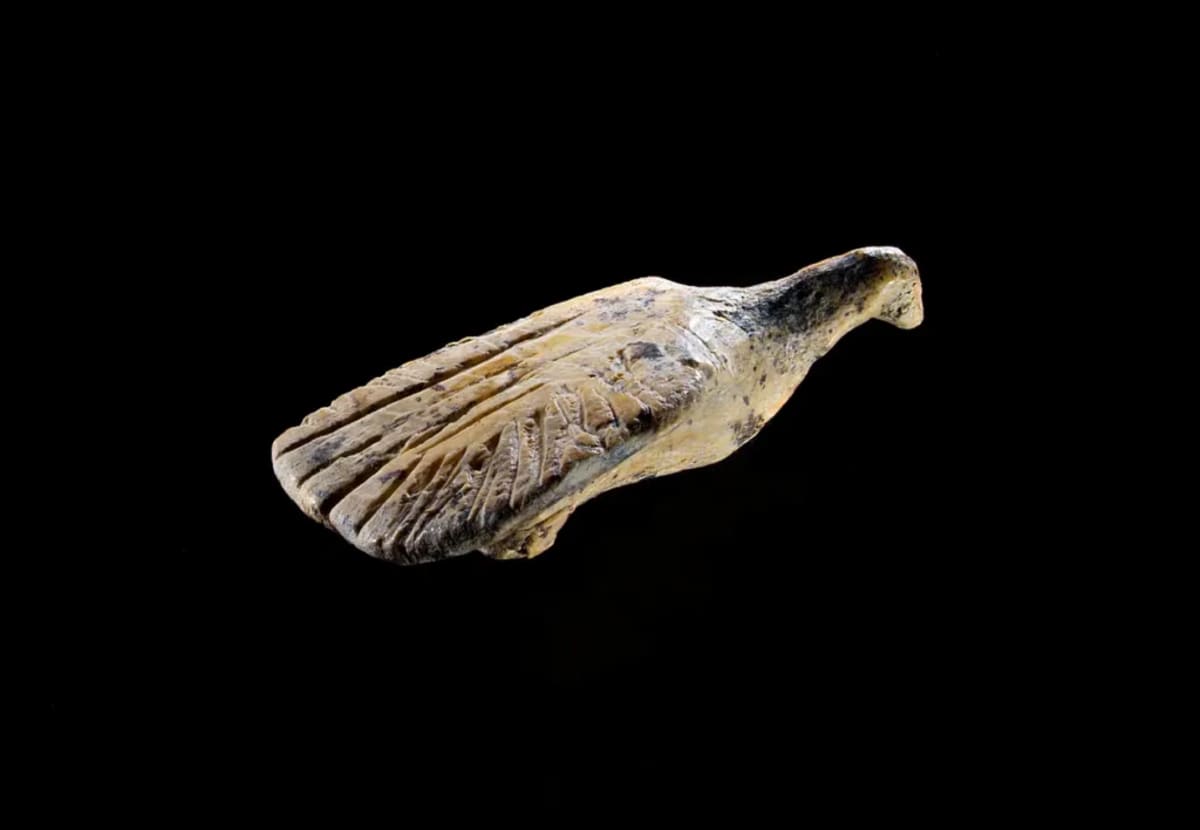
Two tiny bird sculptures carved from mammoth ivory 40,000 years ago have emerged from a German cave, revealing Ice Age artists who captured birds in remarkable detail. The thumbnail-sized figures show behaviors rarely seen in ancient art, suggesting early humans paid close attention to the natural world around them.
Archaeologists at Germany's Hohle Fels Cave just discovered two miniature bird figures that prove our Ice Age ancestors were incredibly skilled artists with a keen eye for nature.
The University of Tübingen team found the tiny sculptures carved from mammoth ivory deep within the UNESCO World Heritage cave in southwestern Germany. Both date back roughly 40,000 years to the Aurignacian period, making them among the earliest known figurative artworks in human history.
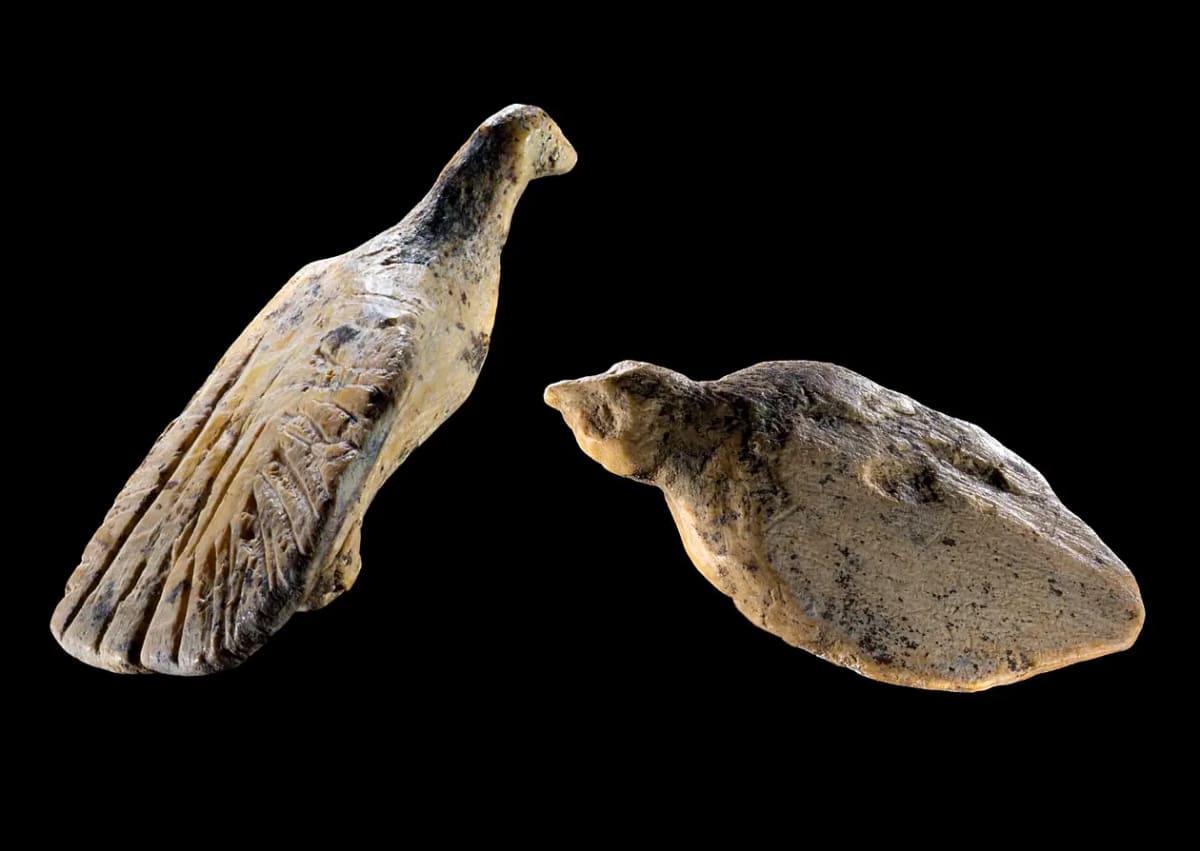
What makes these birds special isn't just their age. Despite measuring only two centimeters long (smaller than your thumbnail) and weighing less than two grams, the carvings capture specific bird behaviors with stunning accuracy.
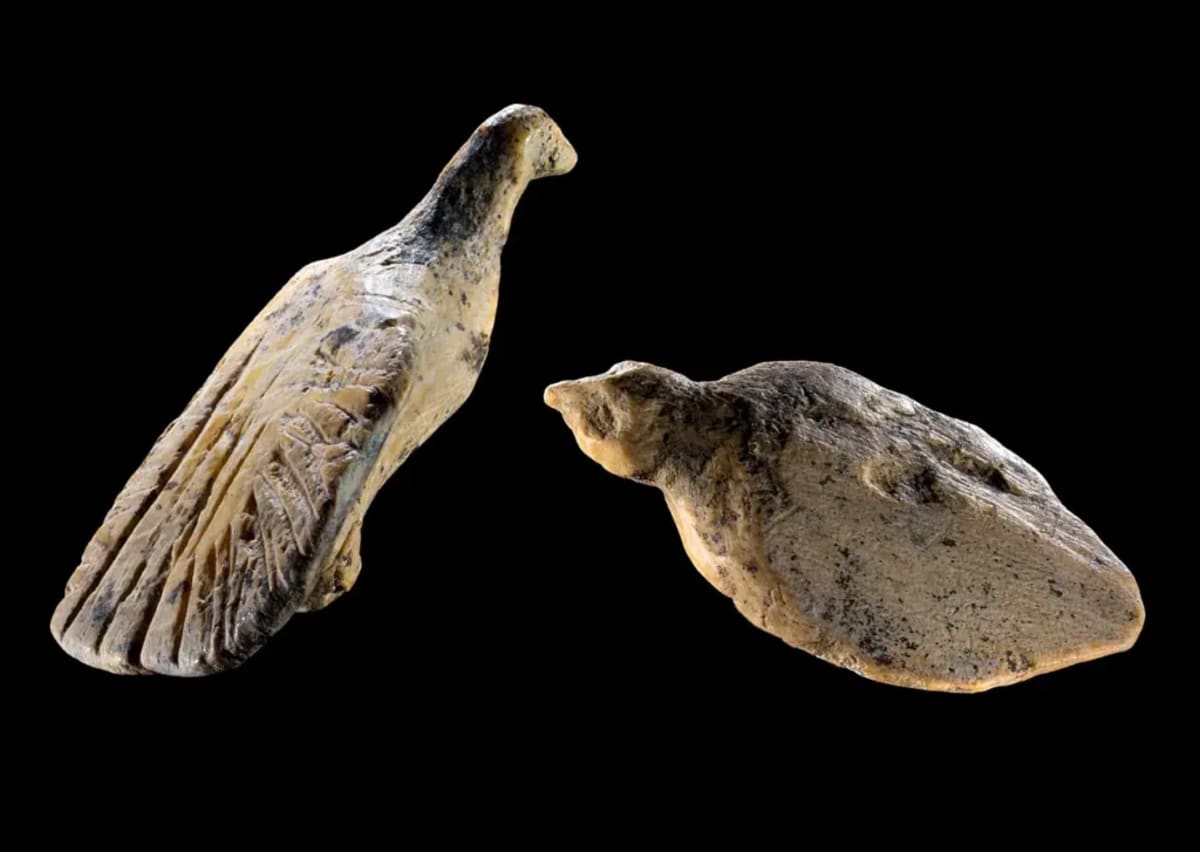
One sculpture shows a resting bird with its head tucked close to its body and legs folded underneath, possibly sitting on a nest. The second depicts a bird with wings spread wide and neck extended, perhaps landing on water or displaying courtship behavior.
The carvers added fine details that required patient observation of living animals. One bird has prominent round eyes, while the other features a clearly defined beak and parallel lines across its wings representing individual feathers.
Professor Nicholas Conard, who leads the excavation, calls them the site's "Find of the Year." He notes that ancient artists didn't create simple bird-shaped objects but translated careful wildlife observations into ivory that still raises questions about which species they were watching.
These discoveries reveal something fascinating about Ice Age creativity. While three other major art sites in the region have produced carvings of mammoths, cave lions, and horses, Hohle Fels has now yielded three bird sculptures and no other animal types.
This pattern suggests different communities developed their own artistic traditions and preferences. The people at Hohle Fels apparently held birds in special regard, though researchers can only guess why.
Why This Inspires
These palm-sized treasures connect us directly to people who lived 40,000 years ago through their shared appreciation of nature's beauty. The Ice Age artists at Hohle Fels didn't just survive in a harsh world; they took time to observe birds closely enough to capture a nesting posture or the exact spread of wings in flight.
Their attention to detail reveals people who found meaning and perhaps joy in the natural world around them. Whether the birds served as personal talismans, group symbols, or objects for storytelling, they show that creating art and finding beauty has always been part of being human.
The two ivory birds will be displayed at the Museum of Prehistory and Ice Age Art in Blaubeuren through April 2027, letting modern visitors marvel at what skilled hands could accomplish four hundred centuries ago.
More Images
Based on reporting by Google: archaeological discovery
This story was written by BrightWire based on verified news reports.
Spread the positivity!
Share this good news with someone who needs it