40% of Cancers Worldwide May Be Preventable, Study Finds
A groundbreaking global study reveals that nearly two in five cancer cases could be prevented through lifestyle changes and infection control. The research points to clear, actionable steps that could save millions of lives.
Scientists have mapped out a clear path to preventing millions of cancer cases worldwide, and the solution starts with choices we can control.
A comprehensive study published in Nature Medicine analyzed 18.7 million cancer cases across 185 countries in 2022. The results show that 7.1 million of those cases, about 40%, were linked to preventable risk factors like smoking, infections, and alcohol use.
The research team, led by Hanna Fink, examined 36 types of cancer and tracked 30 different modifiable risk factors. They found that lung, stomach, and cervical cancers made up nearly half of all preventable cases.
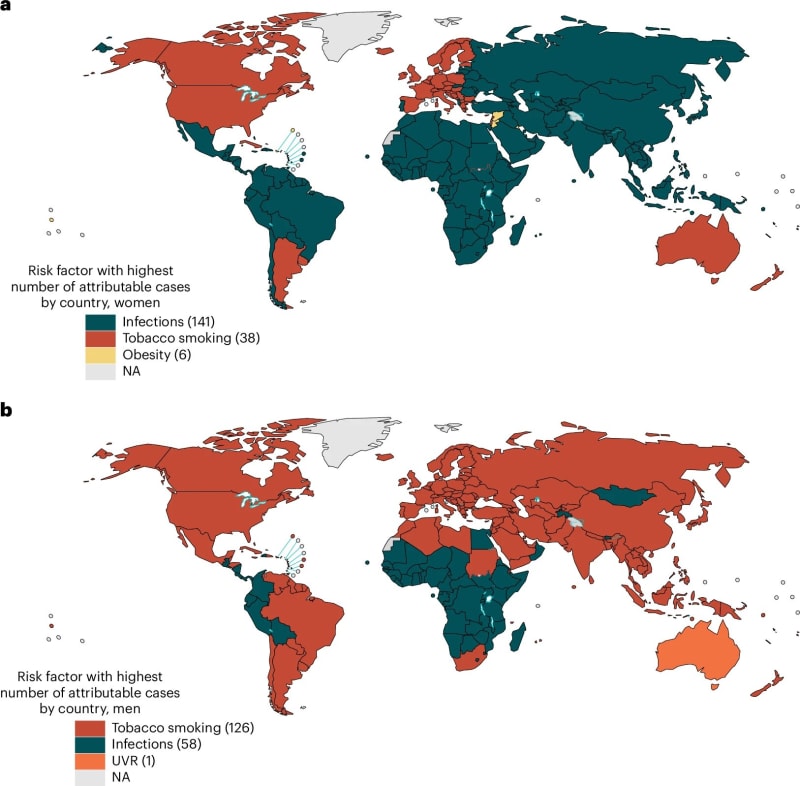
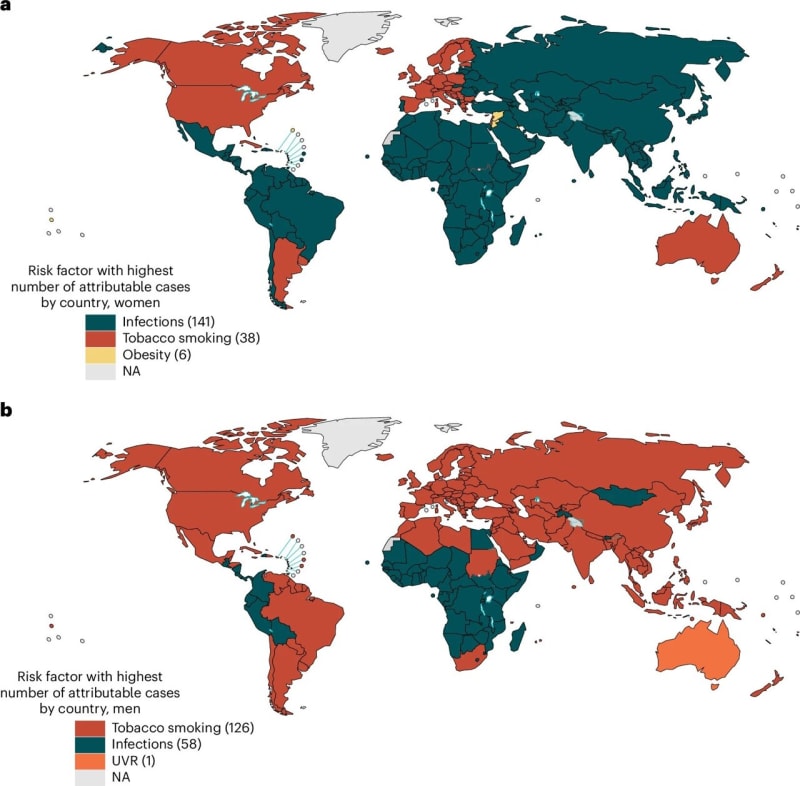
Tobacco smoking emerged as the single biggest contributor, accounting for 15% of all new cancer cases worldwide. Preventable infections, including human papillomavirus (HPV) and Helicobacter pylori, were responsible for another 10%. Alcohol consumption rounded out the top three at 3%.
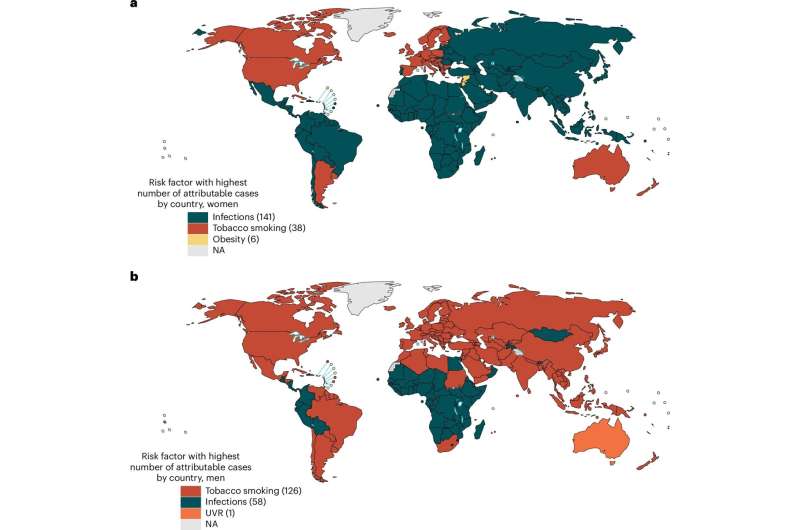
The study revealed important differences between men and women. For men globally, smoking was linked to nearly one in four cancer cases. For women, infections were the leading risk factor, associated with 11.5% of cases.
Geography played a major role too. Women in sub-Saharan Africa faced the highest burden of preventable cancers at 38%, while women in Northern Africa and Western Asia had the lowest at 25%. Men in East Asia saw 57% of cancer cases tied to modifiable factors, compared to just 28% for men in Latin America and the Caribbean.
The Bright Side
This research doesn't just identify problems. It hands health officials a roadmap for saving lives through targeted prevention programs.
Tobacco control, infection prevention through vaccines like the HPV shot, and alcohol reduction programs are proven interventions that countries can implement now. Each region can tailor strategies to address its specific risk factors.
The researchers acknowledge gaps in data, especially from low and middle income countries where better tracking could strengthen future prevention efforts. Even with these limitations, the message is clear: millions of cancer cases don't have to happen.
Prevention works, and now we know exactly where to focus our efforts to save the most lives.
More Images
Based on reporting by Medical Xpress
This story was written by BrightWire based on verified news reports.
Spread the positivity!
Share this good news with someone who needs it