India Demands PFAS Rules After Thousands Protest Factory
Thousands of Indians are taking to the streets demanding regulation of "forever chemicals" after discovering a pollution-linked Italian factory was rebuilt in their community. Their growing movement has sparked the country's first parliamentary debate on PFAS safety.
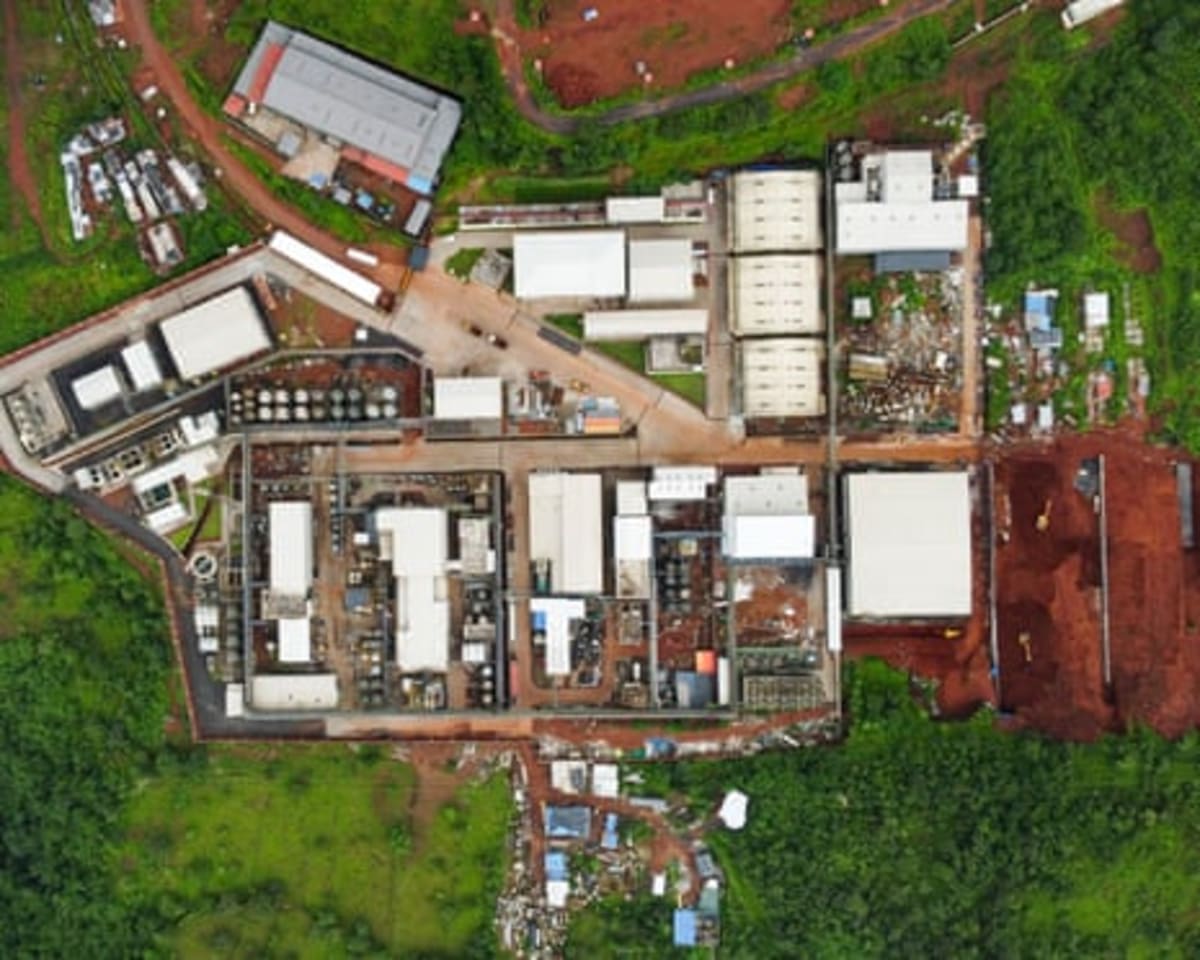
When residents of Lote Parshuram learned that equipment from a scandal-shut Italian chemical plant had been reassembled in their town south of Mumbai, they didn't stay quiet. Since January, thousands have protested the production of PFAS chemicals at the Laxmi Organic Industries facility, turning local concern into a national conversation about environmental justice.
The story begins in Italy, where the Miteni factory in Vicenza was shut down in 2018 after contaminating one of Europe's largest water sources. More than 350,000 people were affected through their drinking water, with factory workers showing some of the highest PFAS concentrations ever recorded in human blood.
PFAS, nicknamed "forever chemicals" because they never break down in nature, are linked to cancer, heart disease, liver damage and reproductive problems. Despite this, the factory's machinery was dismantled, shipped to India, and rebuilt to produce the same chemicals for use in pesticides, pharmaceuticals, cosmetics and other everyday products.
The facility has been fully operational since early 2025. Laxmi Organic Industries maintains it operates in full compliance with Indian regulations and denies pollution allegations.
The Ripple Effect
What started as a single protest outside the factory gates in January has grown into something much bigger. Indian MP Pramod Tiwari brought the issue to parliament in February, calling for a federal investigation and highlighting a startling fact: India has no specific regulations governing PFAS production.
Environment Minister Kirti Vardhan Singh confirmed in writing that no environmental rules currently ban PFAS manufacturing in the country. The admission has fueled public demand for change.
In March, Indian activists connected with European contamination victims, scientists and members of the European Parliament through video call. The collaboration brought international attention back to the issue, with protests in Brussels echoing the concerns raised in India.
By April, the demonstrations had swelled to thousands in Lote Parshuram, uniting environmental groups, local families and political leaders. The movement represents a broader shift in how communities view the supposed trade-off between economic development and public health.
"For years we were told this was the price of development," said Varrun Sukhraj, founder of activist group The Next Indians. "But no community should be forced to choose between jobs and health."
Documents reveal that plans for the Indian facility were already underway by March 2018, months before the Italian plant officially closed, raising questions about how long the relocation had been planned.
The growing movement shows communities refusing to accept that what's rejected in one part of the world can simply be relocated and called progress elsewhere.
More Images

Based on reporting by Guardian Environment
This story was written by BrightWire based on verified news reports.
Spread the positivity!
Share this good news with someone who needs it