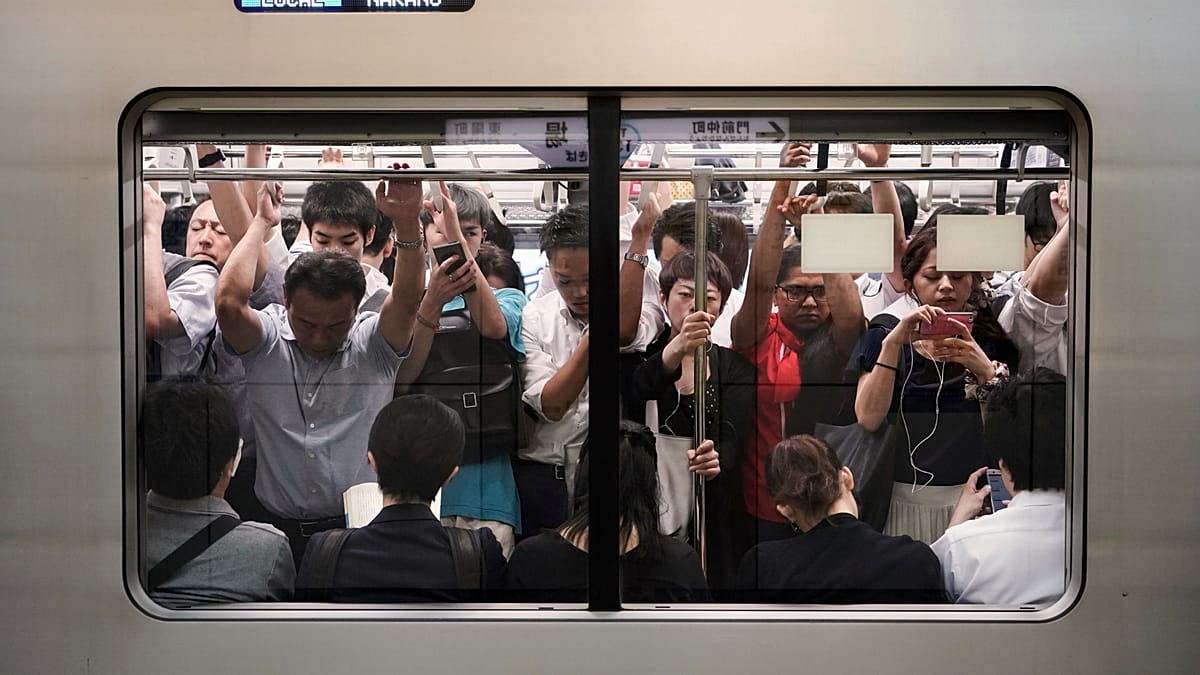
40% of Japanese Seniors Choose to Keep Working
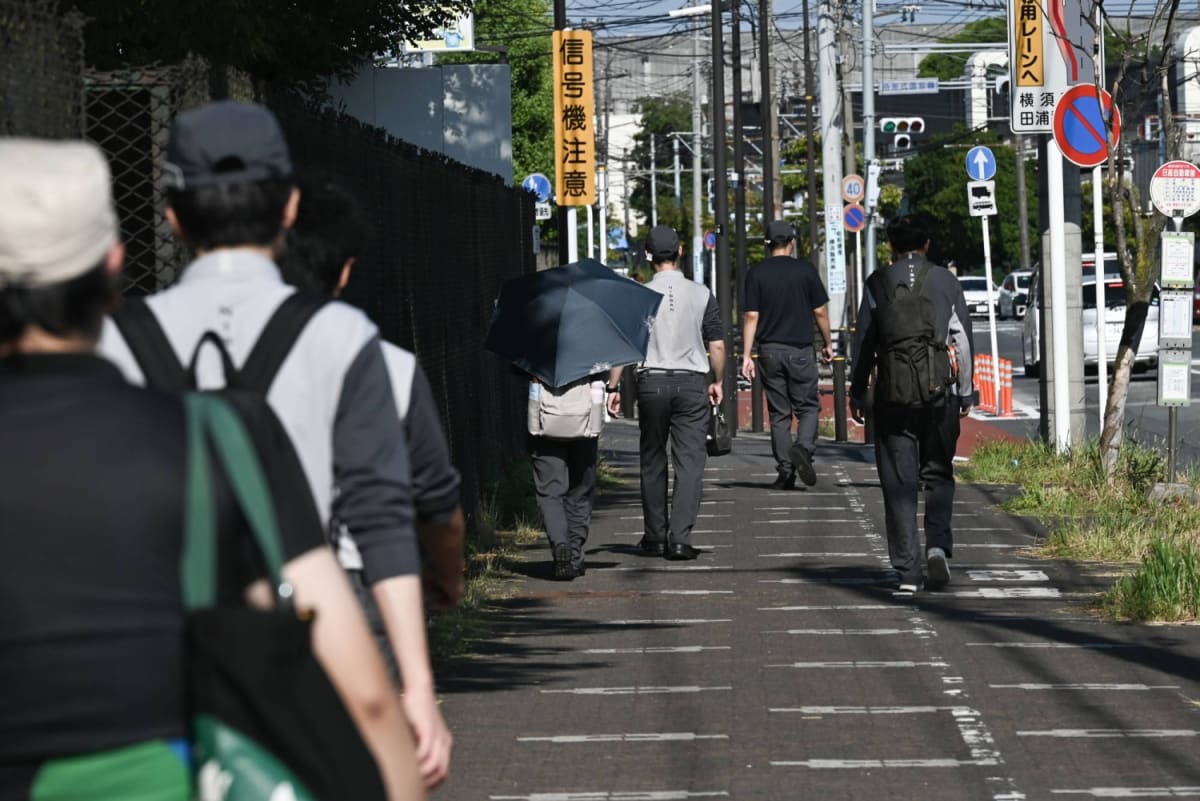
Nearly 40% of older adults in Japan want to continue working past 65, the highest rate among developed nations. Their reasons reveal a powerful truth about staying active and engaged in later life.
While many dream of early retirement, millions of Japanese seniors are choosing a different path.
A new government report reveals that nearly 40% of adults over 65 in Japan want to keep working. That number towers over similar countries like the United States, where only 24% of seniors feel the same way, and Germany and Sweden, where just 19% want to continue earning.
The reasons behind this trend tell two important stories. Half of those surveyed said they need the income to support themselves. But the second most popular answer shows something equally powerful: 25% said working helps them stay healthy and slow down the aging process.
This finding challenges common assumptions about retirement and wellbeing. While financial necessity drives many older workers, a significant portion actively choose work as a health strategy. They see their jobs not as burdens, but as pathways to purpose and vitality.
Japan has long been known for its aging population, but these numbers suggest the country is finding practical solutions. Rather than viewing older workers as a challenge, many companies are embracing their experience and dedication.
The Bright Side
The data points to something worth celebrating. A quarter of Japanese seniors have discovered what research increasingly confirms: staying active and engaged through work can boost both physical and mental health.
These older workers are rewriting the narrative around aging. Instead of viewing their later years as a time to slow down, they're choosing engagement, contribution, and continued growth. Their financial motivations are valid and real, but the health-focused group shows that meaningful work provides benefits that go far beyond a paycheck.
The contrast with Western countries also raises interesting questions about how different cultures approach aging and retirement. Japan's model, born partly from necessity, may offer lessons about creating societies where older adults remain valued contributors.
As populations age worldwide, Japan's experience shows that keeping seniors in the workforce doesn't have to mean exploitation. When done right, it can mean healthier, more connected communities where wisdom and experience continue to shape society.
These 40% are proving that 65 is just a number, and that purpose doesn't retire.
More Images
Based on reporting by Japan Times
This story was written by BrightWire based on verified news reports.
Spread the positivity!
Share this good news with someone who needs it