450 Mice Bones Reveal Ancient Greek God's Hidden Identity
Archaeologists in Crete just discovered 450 mouse skeletons in an ancient temple, rewriting what we know about how the Greeks worshipped Apollo. The tiny bones suggest farmers once prayed to the god to protect their crops from rodent plagues.
A pile of mouse bones buried 2,700 years ago is changing how scientists understand ancient Greek religion.
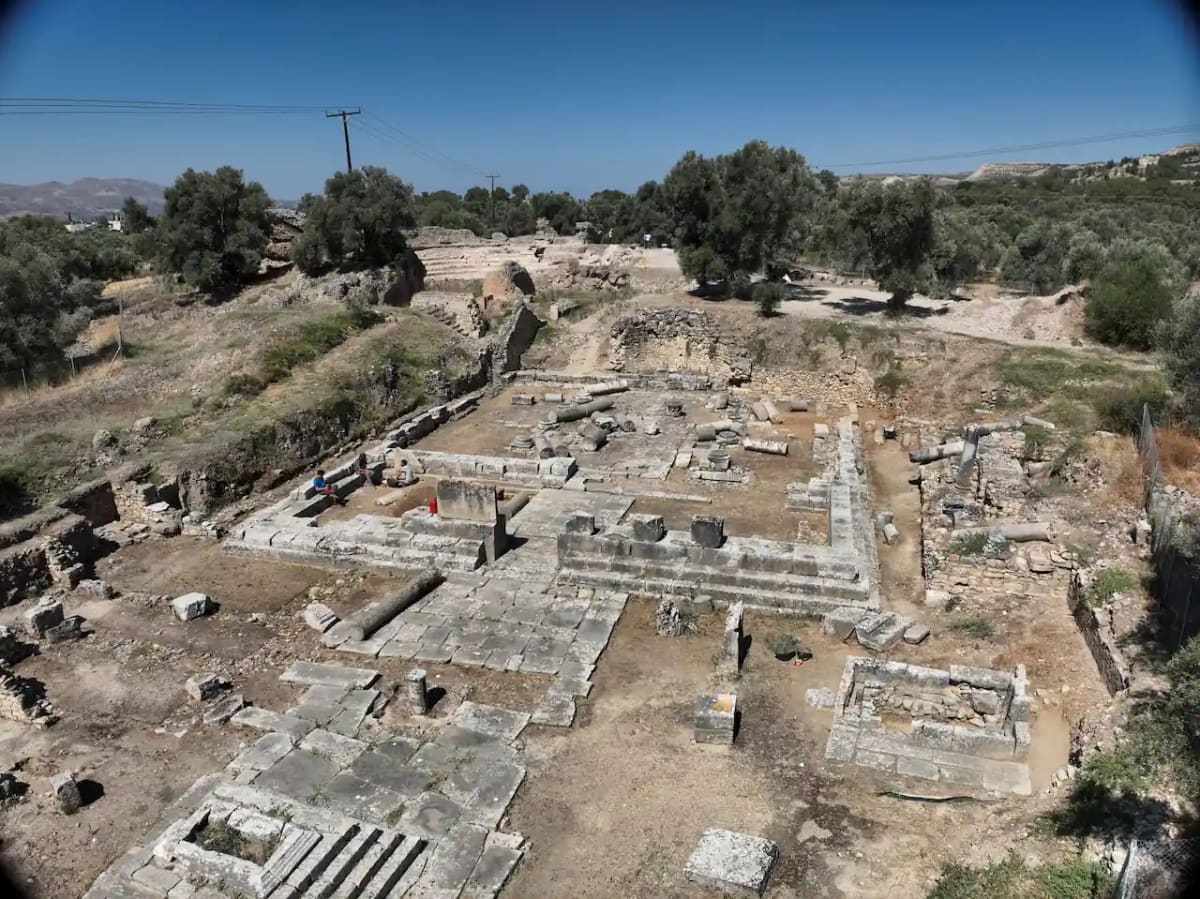
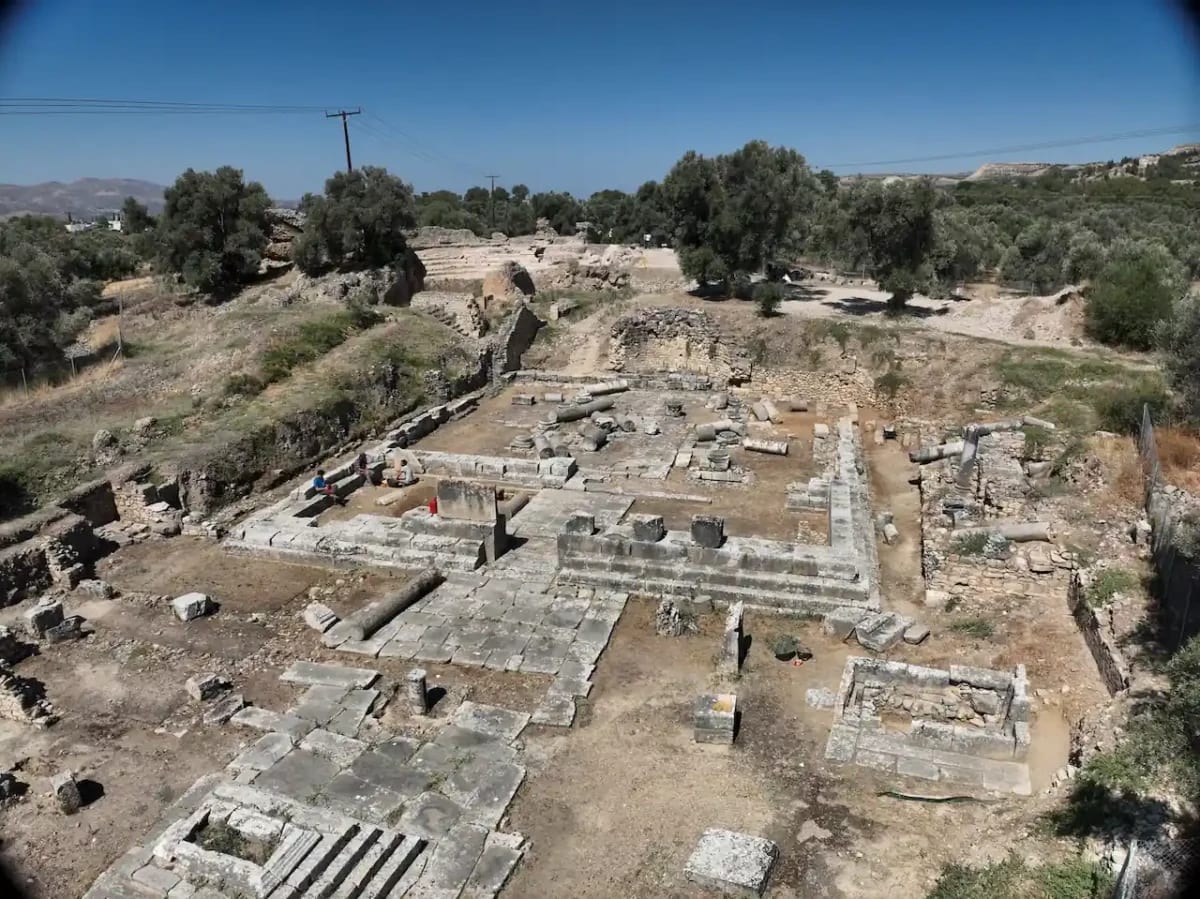
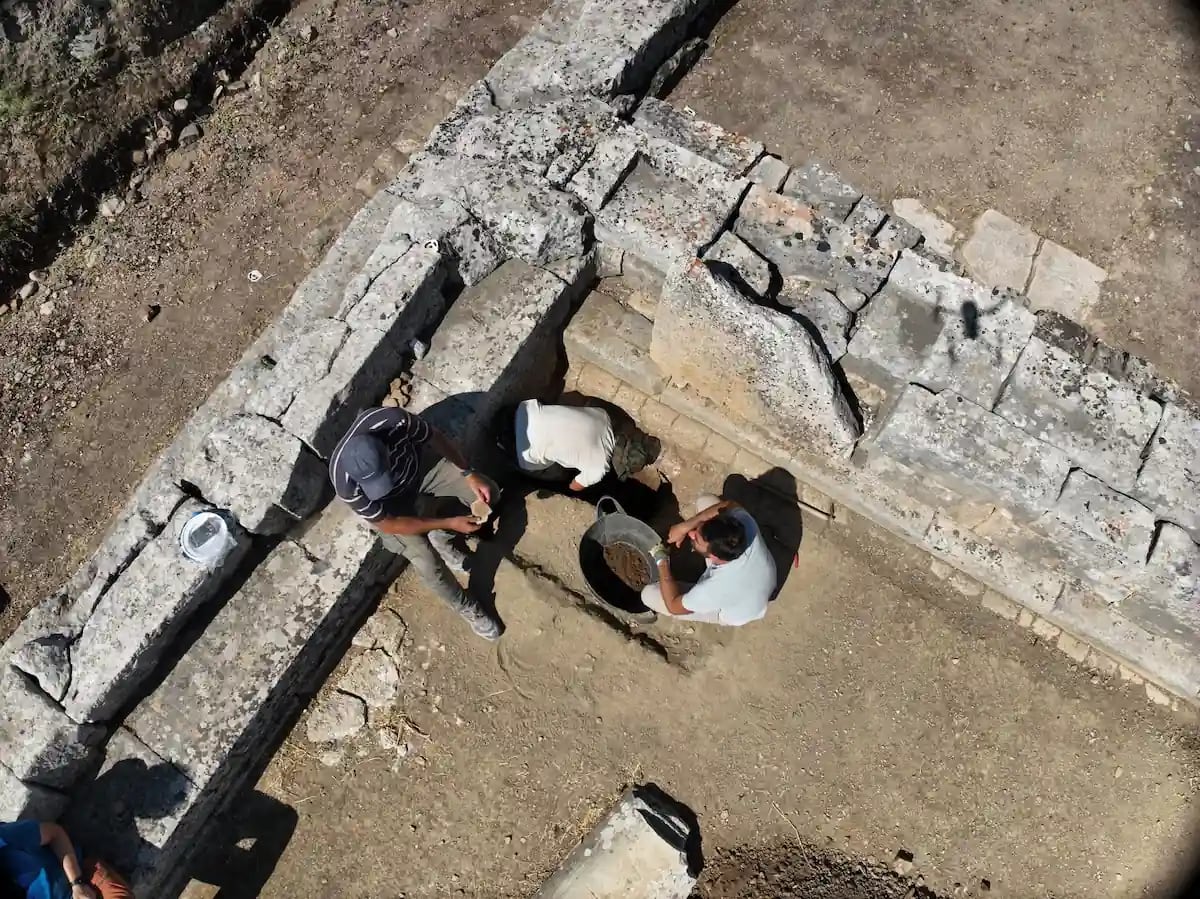
Archaeologists excavating the Temple of Apollo in Gortyna, Crete, uncovered the remains of more than 450 mice intentionally placed as offerings in a sacred pit. The discovery suggests this famous sanctuary once honored Apollo Smintheus, the "mouse slayer," rather than Apollo Pythios, the god of prophecy that historical records describe.
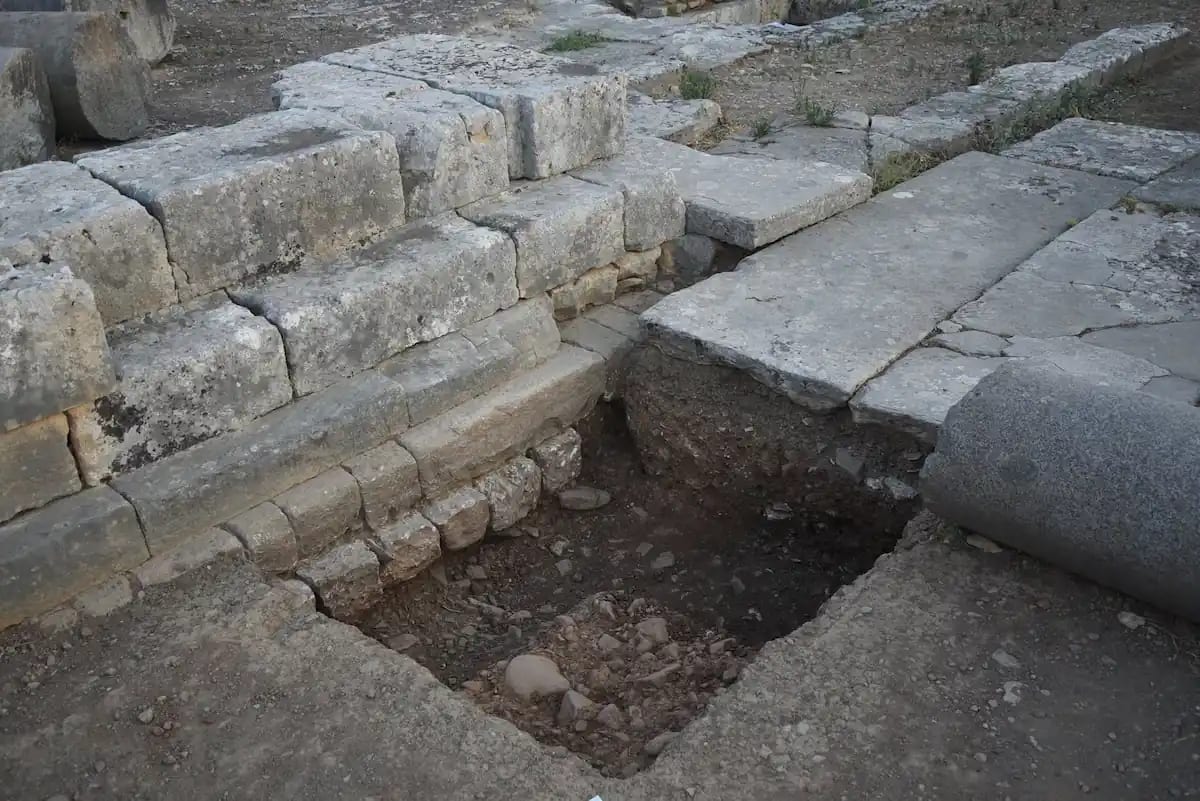
The Italian Archaeological School of Athens led the summer excavation between July and August, working alongside the University of Padua. Their team focused on a monumental sacred structure built around 650 BCE, making it one of the oldest formal religious buildings in ancient Crete.
The mouse bones weren't random contamination. They appeared deliberately deposited alongside ceramics, figurines, and other ritual objects in a votive well, a type of offering pit used for sacred purposes.
This changes everything researchers thought they knew about early worship at Gortyna. Historical inscriptions from later centuries describe the temple as dedicated to Apollo Pythios, connecting it to the famous oracle at Delphi. But the mouse remains paint a different picture of the sanctuary's earliest days.
Why This Inspires
The Apollo Smintheus dedication appears rarely in mainland Greece but was well known in ancient Troy and Asia Minor. Farmers prayed to this version of Apollo for protection against mice that destroyed grain stores and spread disease through their communities.
The discovery suggests ancient Cretans faced the same agricultural challenges as their neighbors across the Aegean Sea. By offering mice to Apollo, they sought divine help against real threats to their survival and livelihood.
Researchers now believe the sanctuary transformed over time. Early farmers worshipped a practical, earth-connected god who guarded their harvests. Centuries later, as Gortyna grew into a powerful city, the temple evolved into a grander space honoring Apollo's role in prophecy and city founding.
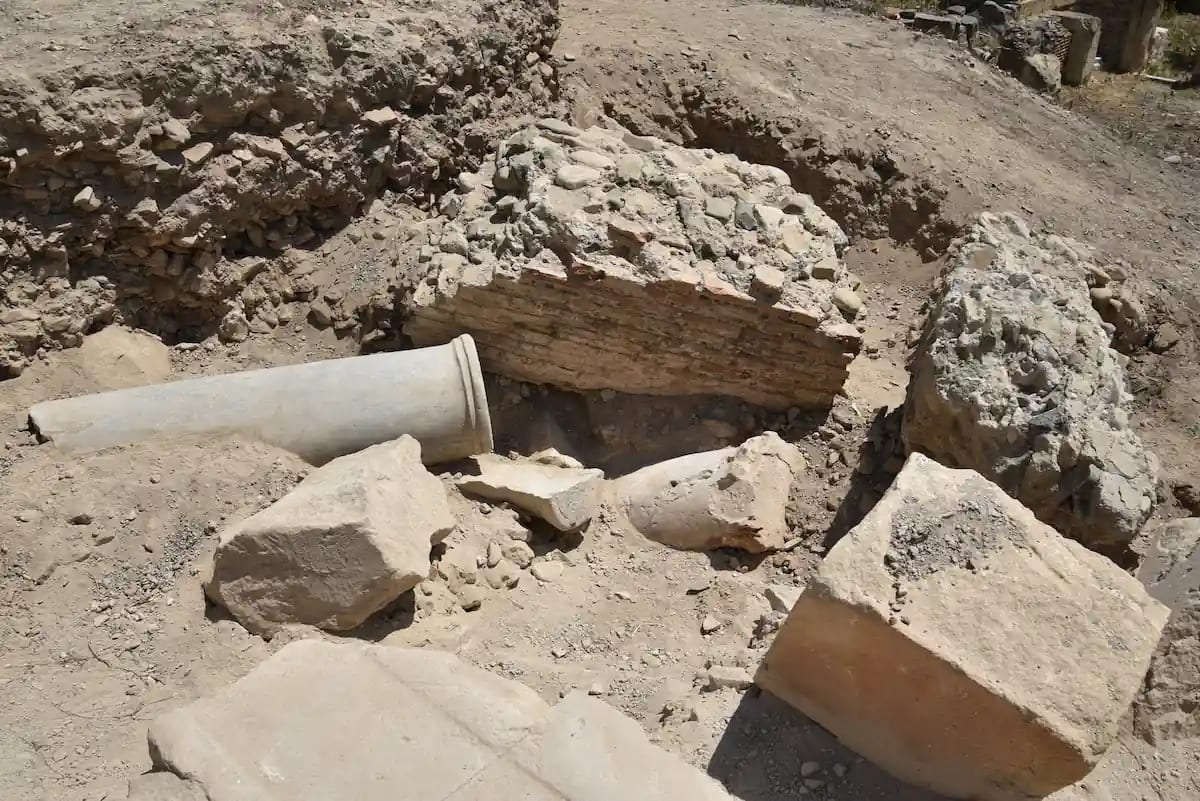
The excavation also uncovered new sections of an ancient theater next to the sanctuary. Stone blocks, decorative moldings, and pieces of the scenic backdrop will help scholars recreate what Roman-era audiences saw when attending performances in this provincial capital.
Students from universities across Italy and Germany joined the dig, learning archaeological methods while documenting one of the most unusual religious finds in recent Greek excavation history.
Sometimes the smallest bones tell the biggest stories about how our ancestors lived, worried, and hoped.
More Images
Based on reporting by Google: archaeological discovery
This story was written by BrightWire based on verified news reports.
Spread the positivity!
Share this good news with someone who needs it
%2Fhttps%3A%2F%2Ftf-cmsv2-smithsonianmag-media.s3.amazonaws.com%2Ffiler_public%2F2f%2F14%2F2f144ae8-a0a5-447e-bcee-bad89e257cf7%2Fgold-bands.jpg)