Garden 'Concrete' Statues Were 18th-Century Marble Busts
A homeowner who used chipped garden statues as lawn decorations discovered they were actually 300-year-old Italian marble masterpieces worth thousands. The forgotten Florentine busts sparked a bidding war and sold for $3,000 each.
Sometimes treasure is hiding in plain sight, covered in centuries of dirt and lichen.
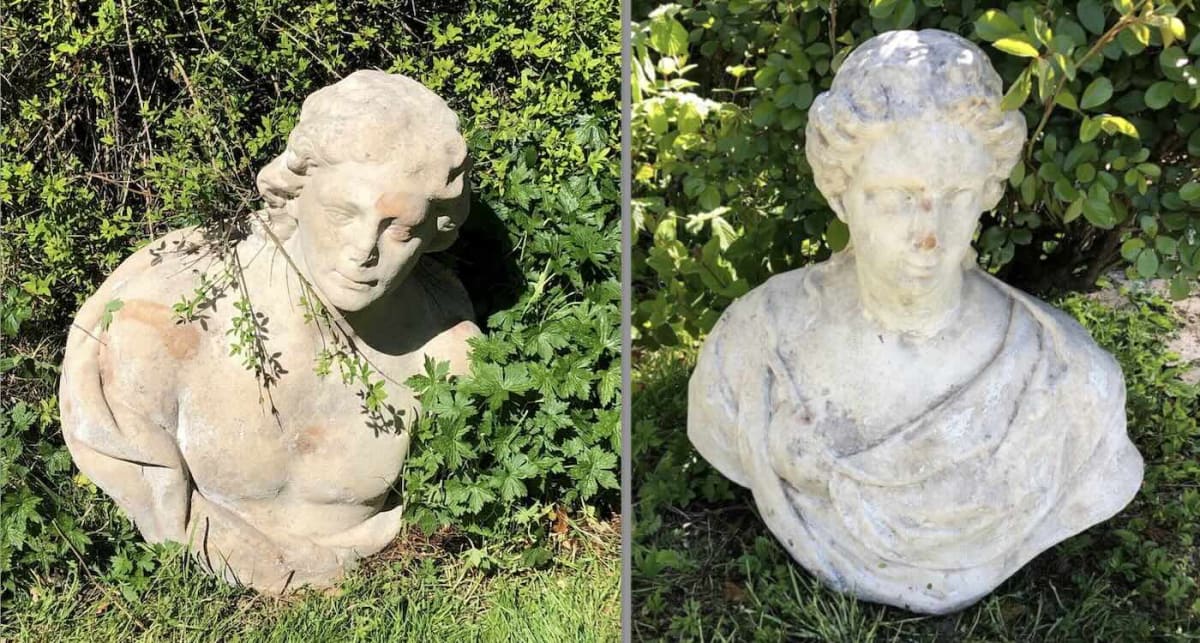
A homeowner in Kent, England thought the two grimy busts decorating their garden were cheap concrete ornaments. They had no idea the weathered figures were actually rare Italian marble sculptures carved by Florentine craftsmen in the early 1700s.
The truth came out during a routine estate sale valuation. Justin Matthews from Hansons Auctioneers spotted the neglected statues in the undergrowth around a house being cleared in Boughton Monchelsea village.
"The owner thought they were mass produced and made of concrete and was surprised when I told him I thought otherwise," Matthews said. Beneath the grime and weather damage, he recognized the telltale signs of hand-carved marble.
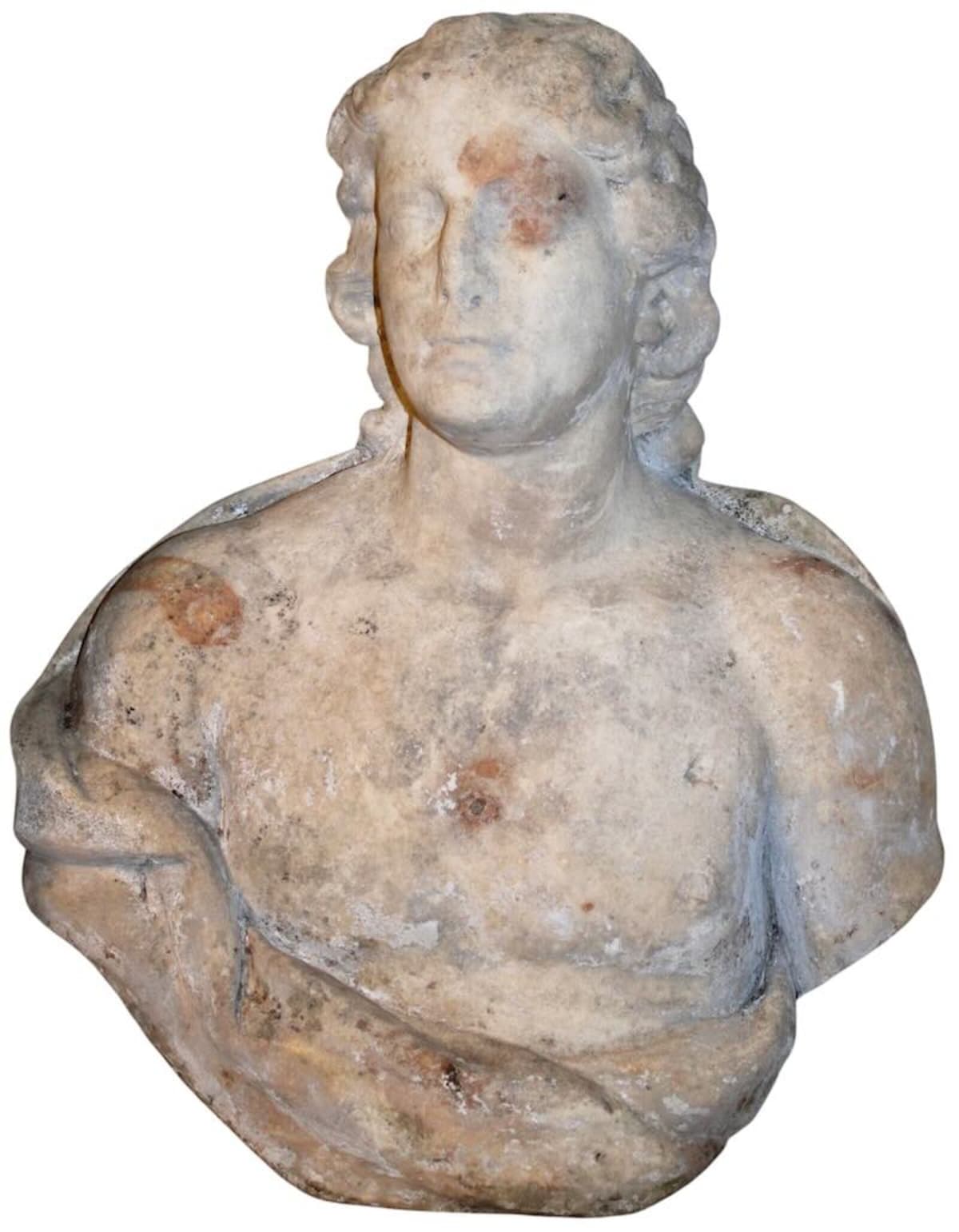
The busts depicted Apollo and Diana, classical Roman deities instantly recognizable to wealthy collectors in the 1700s. Apollo, god of music and the sun, appeared bare-chested in flowing Roman drapes. Diana, goddess of the hunt and moon, wore the neo-classical robes popular across Europe at the time.
Dating from 1720 to 1730, the sculptures likely arrived in Britain during the Grand Tour era. Wealthy travelers scoured Italy and other European countries for classical art treasures to bring home.
"Both may once have formed part of a much larger architectural scheme, perhaps decorating a grand staircase, formal garden, or a classical façade before eventually making their way to England," Matthews explained.
This week, the cleaned-up busts went to auction. Collectors and architectural salvage companies battled for them in a spirited bidding war. Each statue sold for around $3,000, with the hammer falling to applause from the auction room.
The Bright Side
The survival of this matched pair is remarkable. Many similar pieces imported during the Georgian era were lost, broken apart, or scattered as grand estates were dismantled over the centuries. These two weathered sculptures managed to stay together for 300 years, even if their last owners didn't realize what they had.
For the homeowner, those "worthless" garden ornaments turned into an unexpected windfall worth $6,000.
More Images



Based on reporting by Good News Network
This story was written by BrightWire based on verified news reports.
Spread the positivity!
Share this good news with someone who needs it
%2Fhttps%3A%2F%2Ftf-cmsv2-smithsonianmag-media.s3.amazonaws.com%2Ffiler_public%2F2f%2F14%2F2f144ae8-a0a5-447e-bcee-bad89e257cf7%2Fgold-bands.jpg)