48 Students Join NASA for Hands-On Field Research
College students launched weather balloons, flew on research aircraft, and collected real data alongside NASA scientists this summer. The eight-week program gives undergrads hands-on experience they can't get in any classroom.
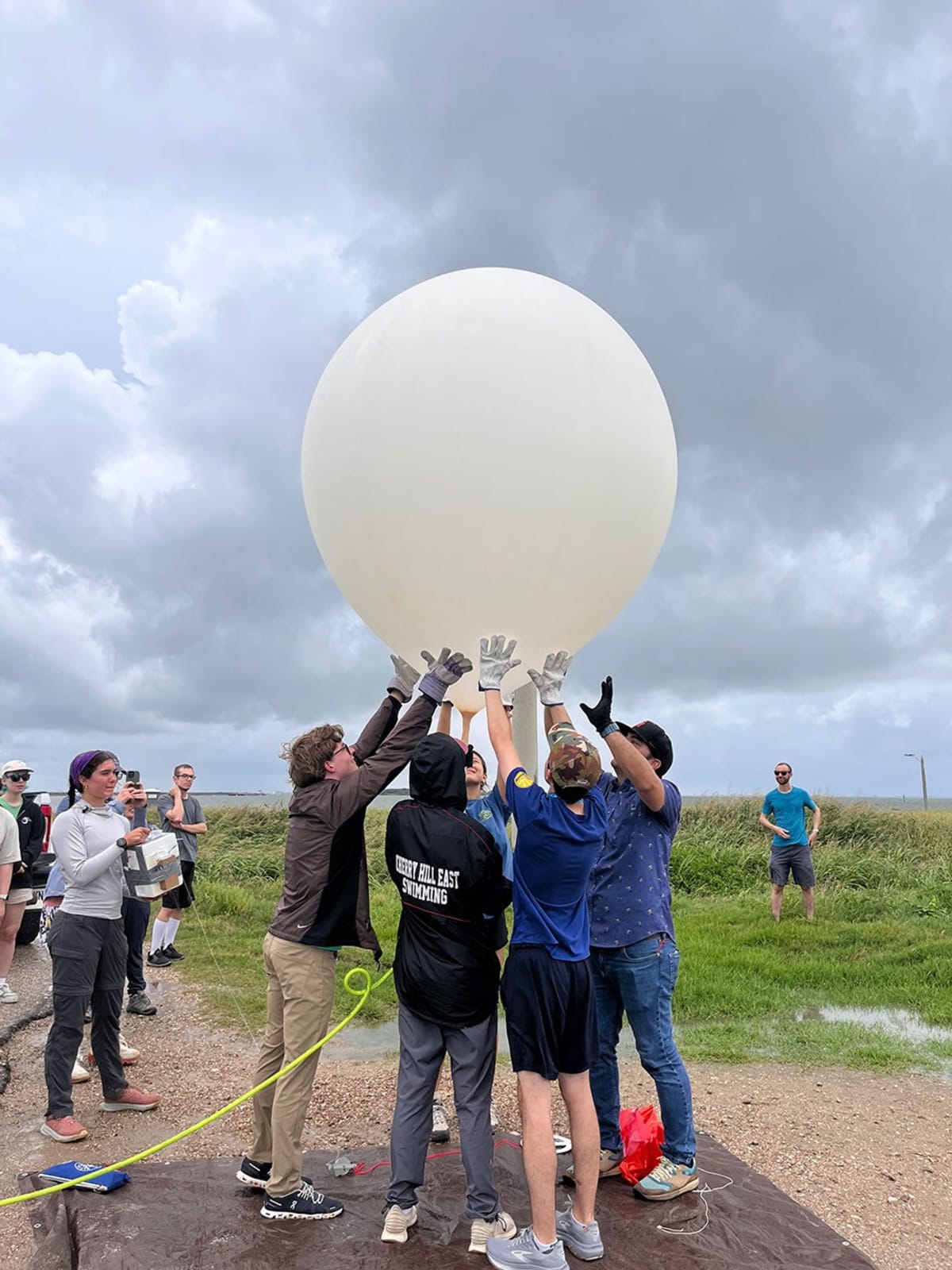
Holding onto a giant weather balloon in gusty wind is harder than it looks, but chemistry student Marin Stevens wasn't letting go. She was about to release an ozonesonde into the Texas sky to measure atmospheric ozone, and this moment represented something she never expected as an undergraduate: real NASA field research.
Stevens was one of 48 college students who completed NASA's Student Airborne Research Program on July 27. The eight-week summer program doesn't just teach students about Earth science. It puts them right in the middle of active research campaigns.
The students split into four teams: atmospheric science, oceans, terrestrial ecology, and hydrology. Each student designed their own research project, gathered field data, and presented findings at the end of the program. When possible, they cross-checked their measurements against data from NASA satellites orbiting overhead.
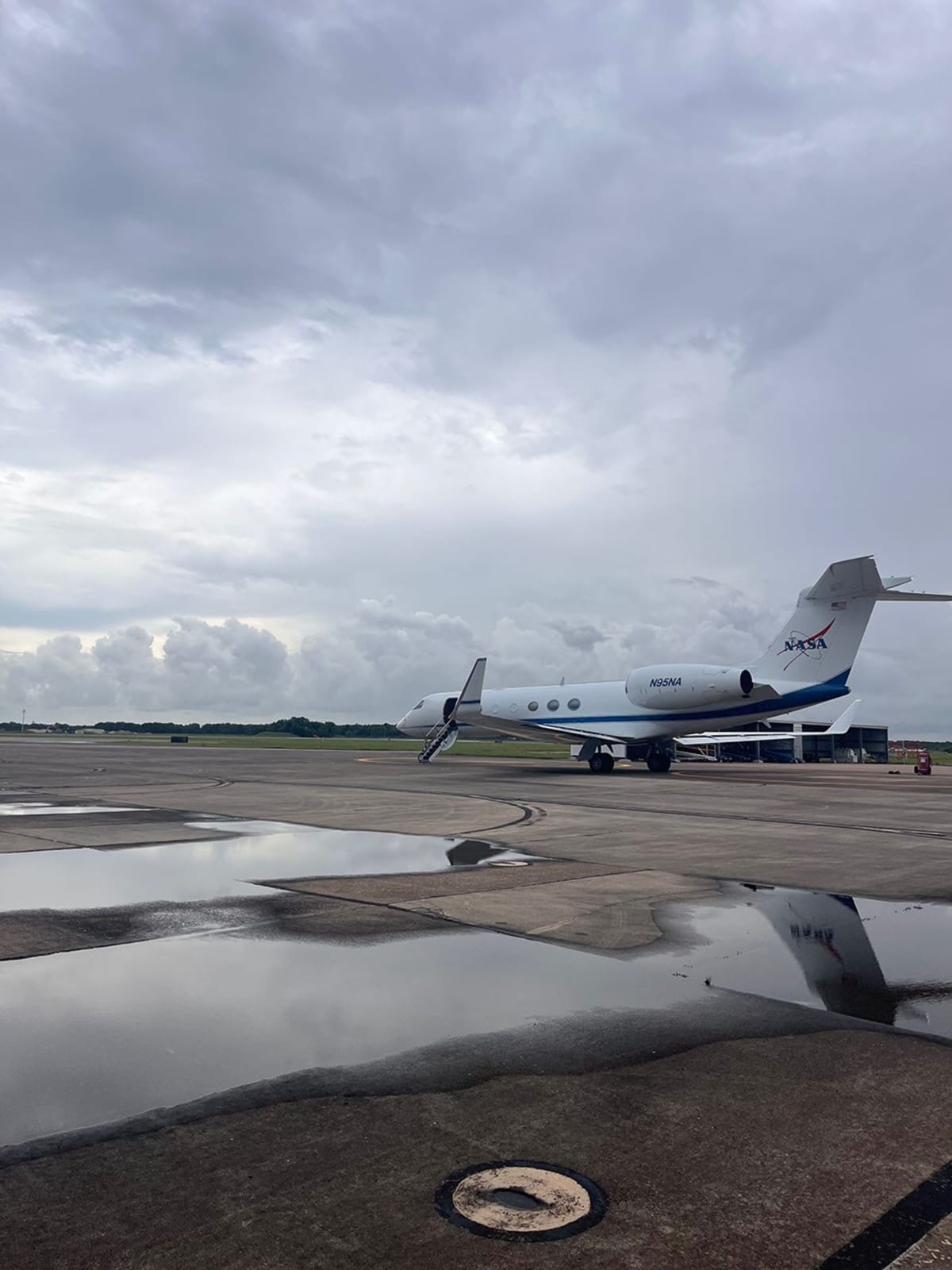
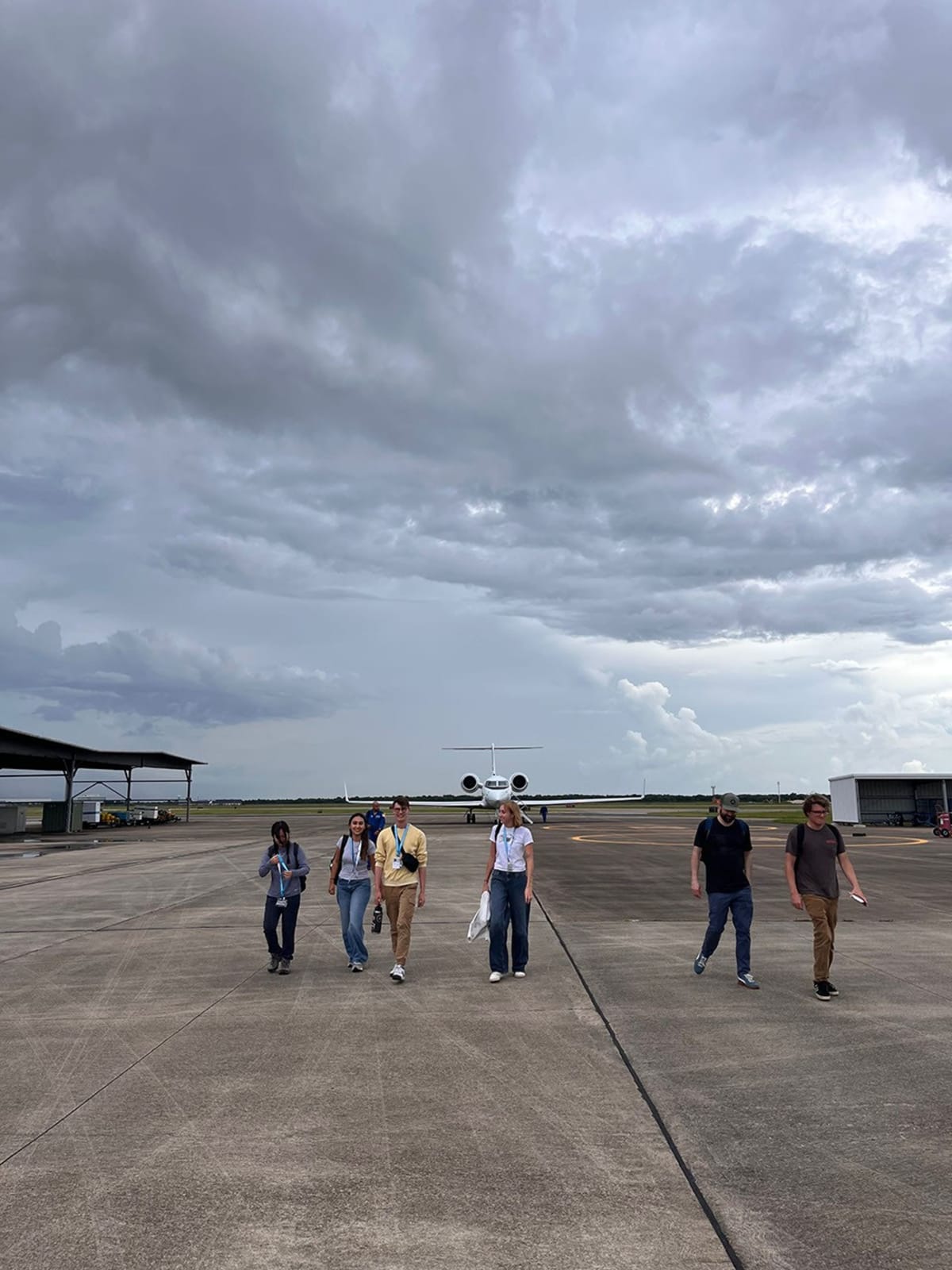
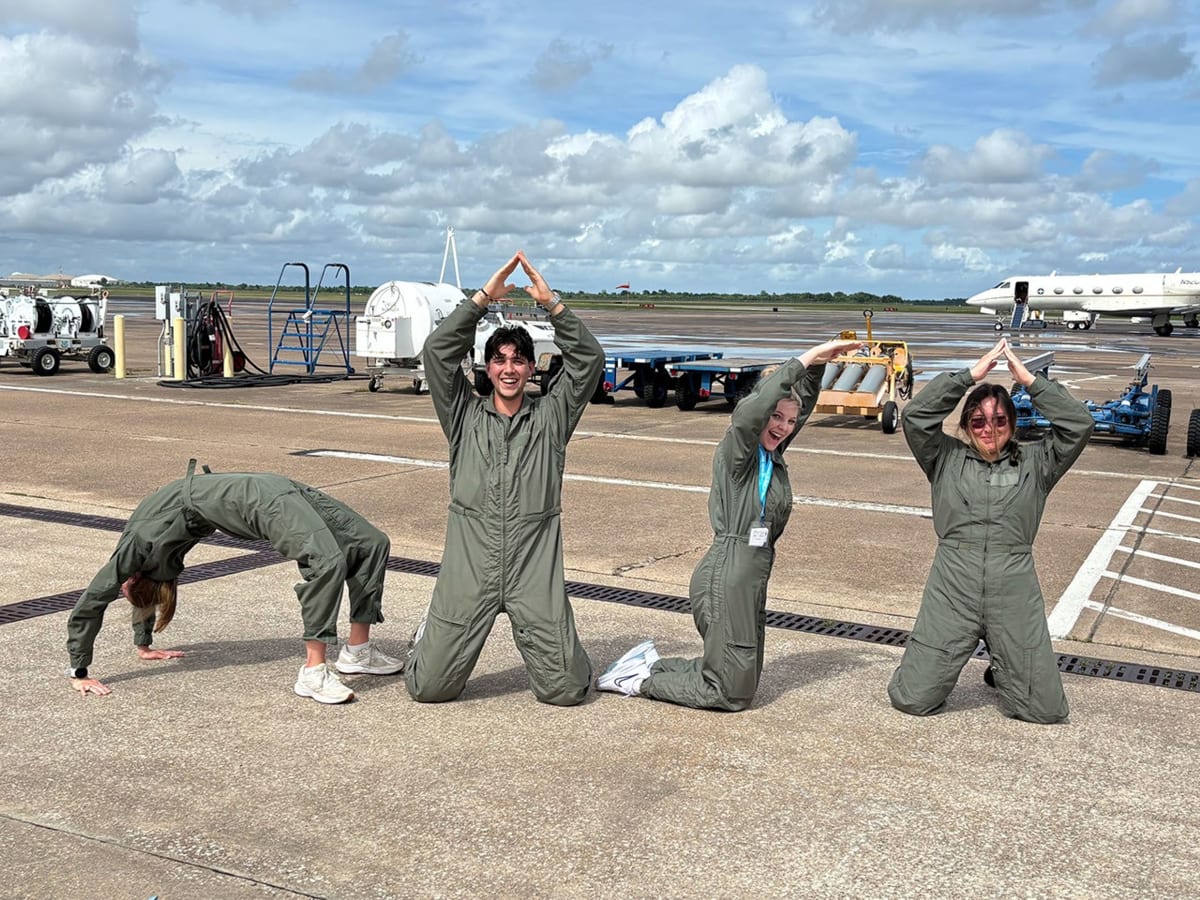
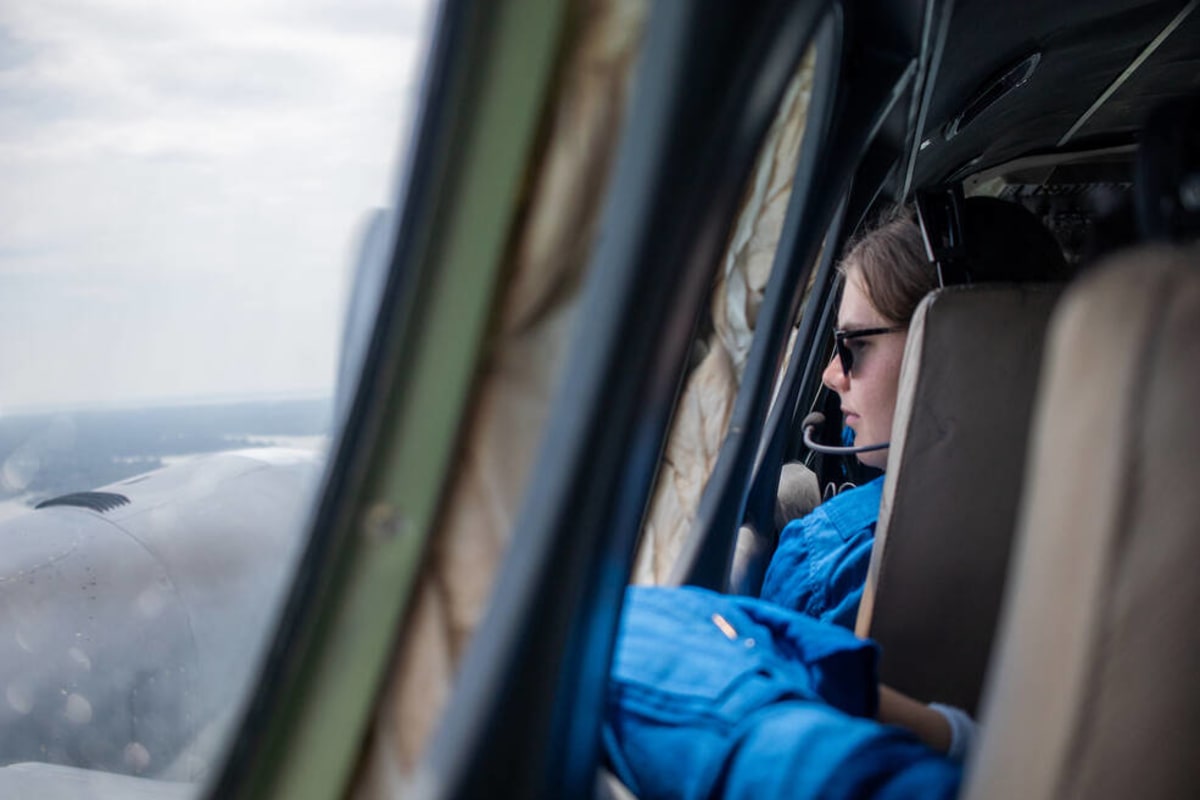
Five research aircraft supported the program this year, including three NASA planes and aircraft from Dynamic Aviation and NOAA. Students worked shoulder-to-shoulder with scientists operating specialized instruments like lasers that measure atmospheric particles.
The atmospheric science group prepared ozonesondes for launch, chemically treating instrument cells and wrangling balloons during inflation. As each balloon rose through the atmosphere, students monitored the incoming data in real time. For many, it was their first experience with field research.
The Ripple Effect
After two weeks in Houston, the cohort split in half, with students continuing their research in California and Virginia. This structure mirrors how real scientific campaigns work, giving students authentic experience they can build entire careers on.
"This research program is a unique experience for students where they have the opportunity to see the different careers related to Earth system science," said Yaitza Luna-Cruz, program manager for NASA's Early Career Research Program. The goal is creating a clear path from classroom learning to professional field research.
Program manager Joelle Hopkins sees the transformation happen every summer. "The coolest part of SARP is the passion everyone has," she said. The scientists, faculty, and graduate mentors aren't just supervising—they're actively building the next generation of researchers.
The program covers all aspects of a scientific campaign: planning, data collection, analysis, lectures, workshops, and fieldwork. Students leave with more than just resume material—they leave knowing whether field research is their calling.
These 48 students now have something most undergraduates never get: proof they can do the real work of science.
More Images
Based on reporting by NASA
This story was written by BrightWire based on verified news reports.
Spread the positivity!
Share this good news with someone who needs it