490-Million-Year-Old Fossil Challenges Evolution Mystery
Scientists discovered a beautifully preserved ancient sea creature in Canada that's rewriting what we thought we knew about a mysterious gap in Earth's evolutionary history. The find suggests life was thriving when researchers believed it had nearly vanished.
A newly discovered fossil is solving a puzzle that's confused scientists for decades and revealing that ancient life was far more vibrant than anyone suspected.
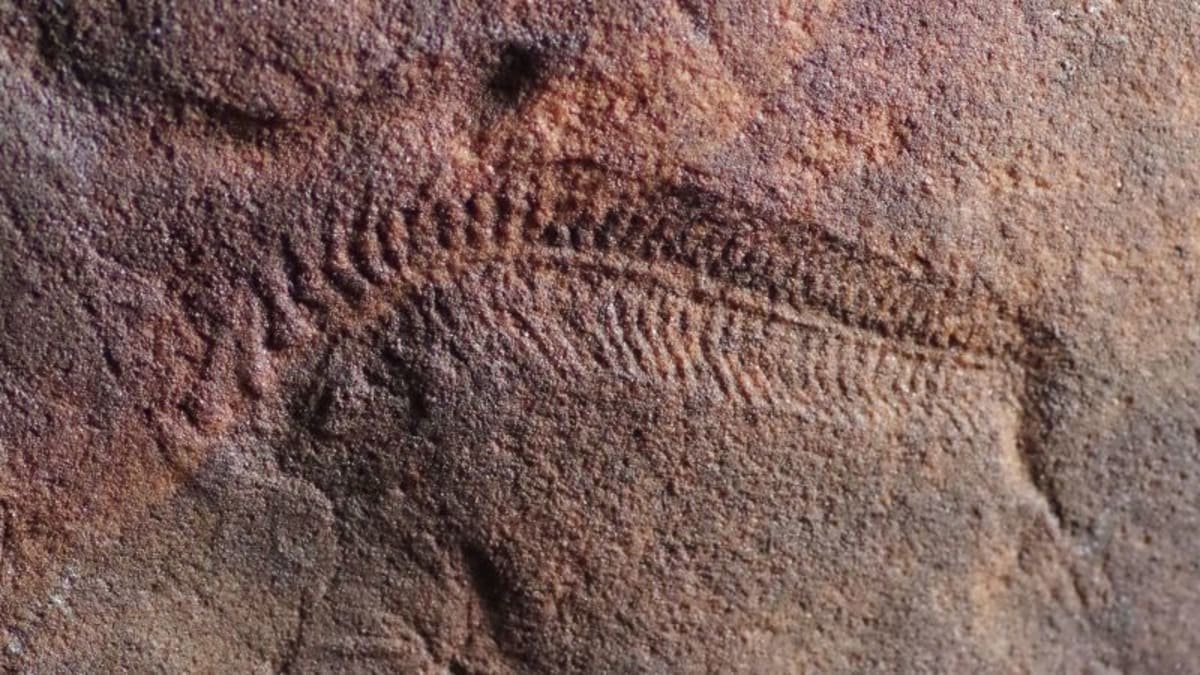
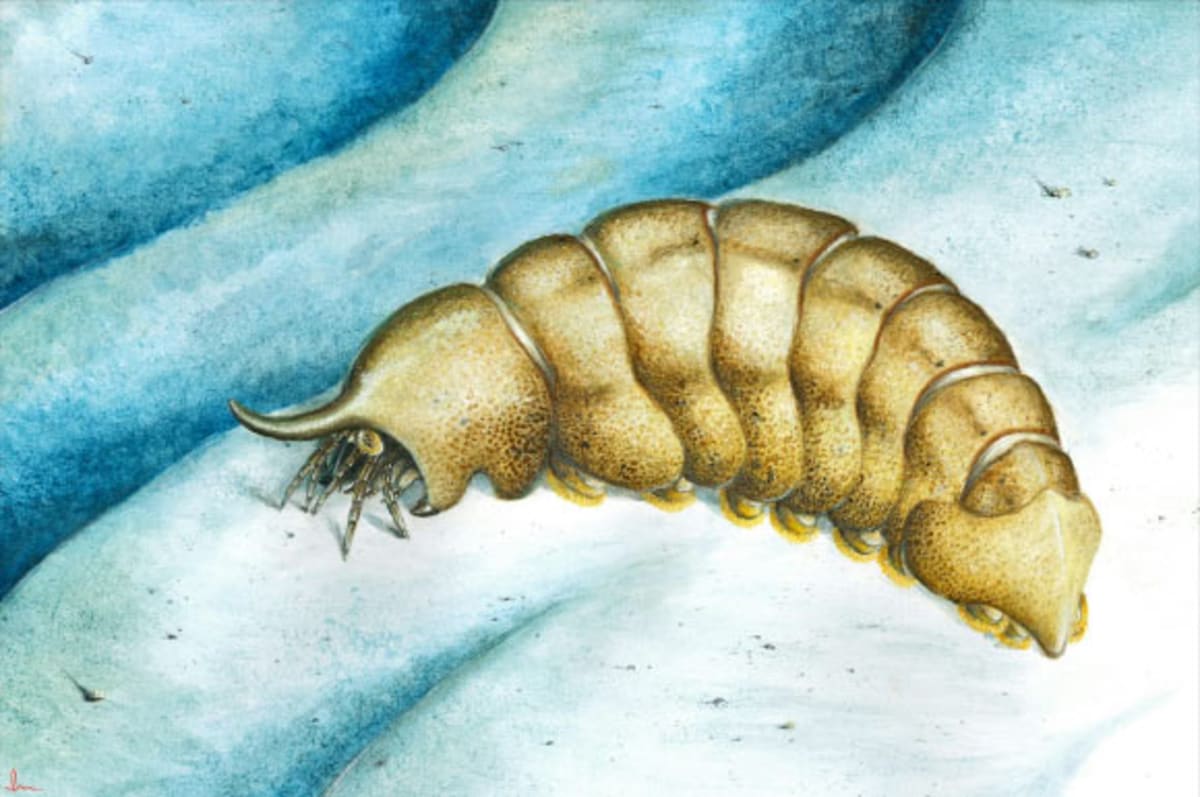
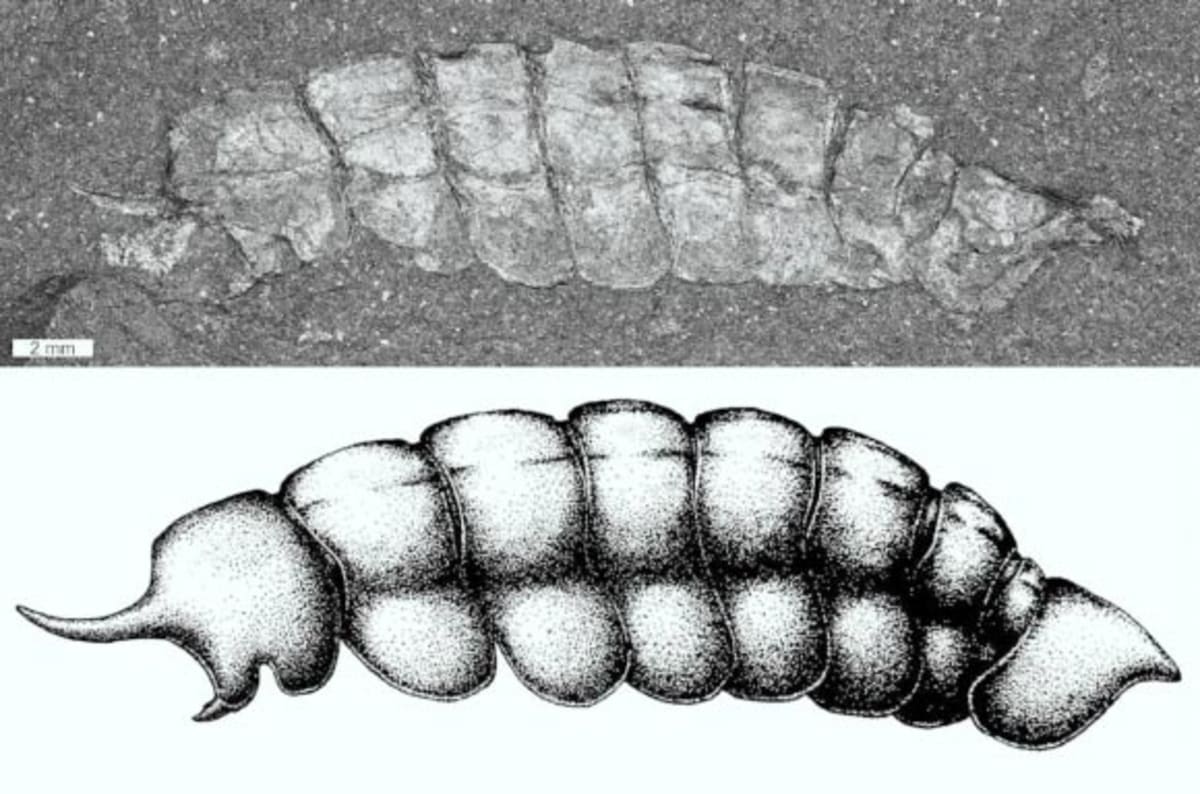
Researchers found an exceptionally preserved arthropod near Québec, Canada, that lived 490 million years ago during a period scientists call the Furongian Gap. This mysterious time period appeared to show a dramatic drop in life on Earth between two major evolutionary events, leaving paleontologists scratching their heads about what went wrong.
But this spiny, segmented sea creature named Magnicornaspis garwoodi is changing that story. The fossil's remarkable preservation shows sophisticated features like broad head shields and defensive spines, proving that complex ecosystems were actually flourishing during this supposedly barren period.
Dr. Russell Bicknell from Flinders University explains that scientists may have simply been looking in the wrong places. "Perhaps we haven't been looking at the right sedimentary rocks or fossil-bearing deposits to get a clear picture of the kinds of soft-bodied organisms and early arthropods that inhabited the planet at that time," he said.
The discovery comes from rocks not previously known for preserving fossils so well. This find joins a growing list of similar discoveries over the past two decades that are filling in the supposed gap with increasing evidence of diverse, thriving ancient life.
Why This Inspires
This discovery reminds us that absence of evidence isn't evidence of absence. What looked like a collapse in biodiversity was actually just a gap in our own understanding and exploration.
Dr. Julien Kimmig from the Karlsruhe Institute of Technology puts it simply: the Furongian may not represent a true collapse at all, but rather reflects where scientists have looked and what kinds of rocks they've studied.
Each new fossil discovery is narrowing this gap and revealing increasingly sophisticated ecosystems that thrived during the Late Cambrian period. Ancient Earth wasn't struggling during this time after all.
The finding proves that our planet's history holds countless untold stories waiting to be discovered in unexpected places, reminding us there's always more to learn about the world beneath our feet.
More Images
Based on reporting by Google: fossil discovery
This story was written by BrightWire based on verified news reports.
Spread the positivity!
Share this good news with someone who needs it