5 Indian Communities Turn Trash Into Parks and Safe Streets
From toxic landfills to football fields and car-choked roads to walkable neighborhoods, five Indian communities proved that local problems don't need national solutions. Armed with brooms, bamboo, and better planning, ordinary people are rebuilding their streets one project at a time.
A dumping ground in Kerala now hosts weekend football matches, and ash-covered farmland in Maharashtra has turned into thriving bamboo forests.
Across India, five communities decided that overflowing garbage, polluted land, and unsafe streets weren't permanent problems. They were simply waiting for someone to act.
In Gurugram, a Serbian resident named Lazar Jankovic grabbed a broom and started sweeping littered streets himself. Day after day, he showed up with the same simple tools and determination. His visible effort sparked something unexpected: neighbors started joining him, and a one-man cleanup became a community movement that's still growing.
Meanwhile in Maharashtra, villages near thermal power plants had watched fly ash settle over their farmland for years, making agriculture nearly impossible. A scientist introduced bamboo plantations on the polluted land, and the fast-growing plants began stabilizing soil and absorbing toxins. Grey, lifeless stretches gradually transformed into green belts that improved air quality and created new jobs.
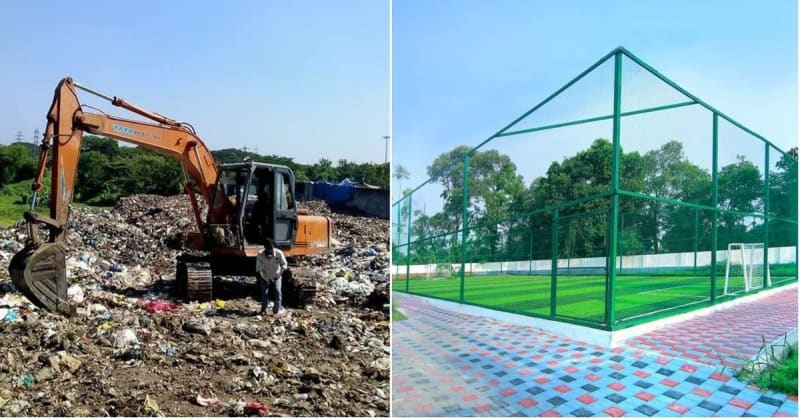
Kerala's Eloor municipality tackled an even bigger eyesore: a dangerous landfill that residents had avoided for years. The local government systematically cleared the waste and converted the site into a public football field. The once-toxic space now brings families together for sports and recreation.
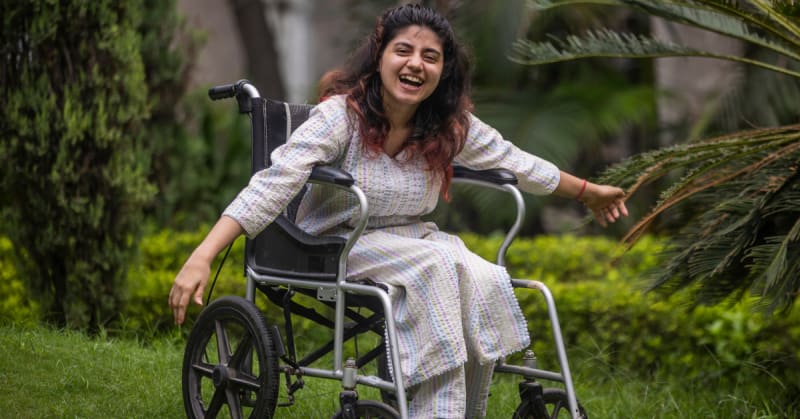
Kochi decided to reclaim its streets for pedestrians instead of just cars. The Walkable Kochi initiative, led by the municipal corporation with support from GIZ India and the Centre for Heritage, Environment and Development, audited all 74 wards to identify broken footpaths and missing crossings. The project is now connecting schools, markets, and transit points with safe walking routes that make daily life easier for children, seniors, and people with disabilities.
Back in Gurugram, Raahgiri Foundation partnered with city officials to redesign a chaotic road without cutting a single mature tree. They used people-centered planning to create safer crossings and pedestrian space, transforming a speedway into a street where walking feels natural again.
The Ripple Effect
These projects share a common thread: they started small but created visible change that inspired others to believe transformation was possible. The Serbian cleaner in Gurugram didn't wait for a government program. The Maharashtra scientist worked with what nature provided. Kerala's municipality proved that even heavily polluted land can be reclaimed.
Each success story is now being studied by other Indian cities facing similar challenges. When people see a landfill become a playground or a dangerous road become walkable, it changes their sense of what's achievable in their own neighborhoods.
These five transformations show that local problems often need local solutions, not massive budgets or years of planning. Sometimes change begins with one person picking up a broom, planting bamboo, or asking a simple question: What if we did this differently?
More Images
%2Fenglish-betterindia%2Fmedia%2Fmedia_files%2F2026%2F01%2F12%2Fbefore-and-after-eloor-2026-01-12-22-41-35.jpg)
%2Ffilters%3Aformat(webp)%2Fenglish-betterindia%2Fmedia%2Fmedia_files%2F2026%2F01%2F12%2Fbefore-and-after-gurgaon-2026-01-12-22-51-22.jpg)
%2Ffilters%3Aformat(webp)%2Fenglish-betterindia%2Fmedia%2Fmedia_files%2F2026%2F01%2F12%2Fbefore-and-after-ash-forest-2026-01-12-22-56-28.jpg)
Based on reporting by The Better India
This story was written by BrightWire based on verified news reports.
Spread the positivity!
Share this good news with someone who needs it