5 Medical Breakthroughs That Changed American Lives
As America celebrates 250 years, doctors reveal the medical innovations that transformed millions of lives from hopeless to hopeful. From joints that let grandparents play with grandkids again to brain treatments that end years of depression, these breakthroughs prove progress is real.
A generation ago, severe arthritis meant a lifetime sentence of pain and losing your independence. Today, Americans walk out of the hospital the same day they get a new hip or knee.
As the nation marks its 250th anniversary, medical experts are celebrating the innovations that gave millions of people their lives back. These aren't just scientific achievements. They're grandparents who can hike again, parents who beat depression, and cancer patients who get decades instead of months.
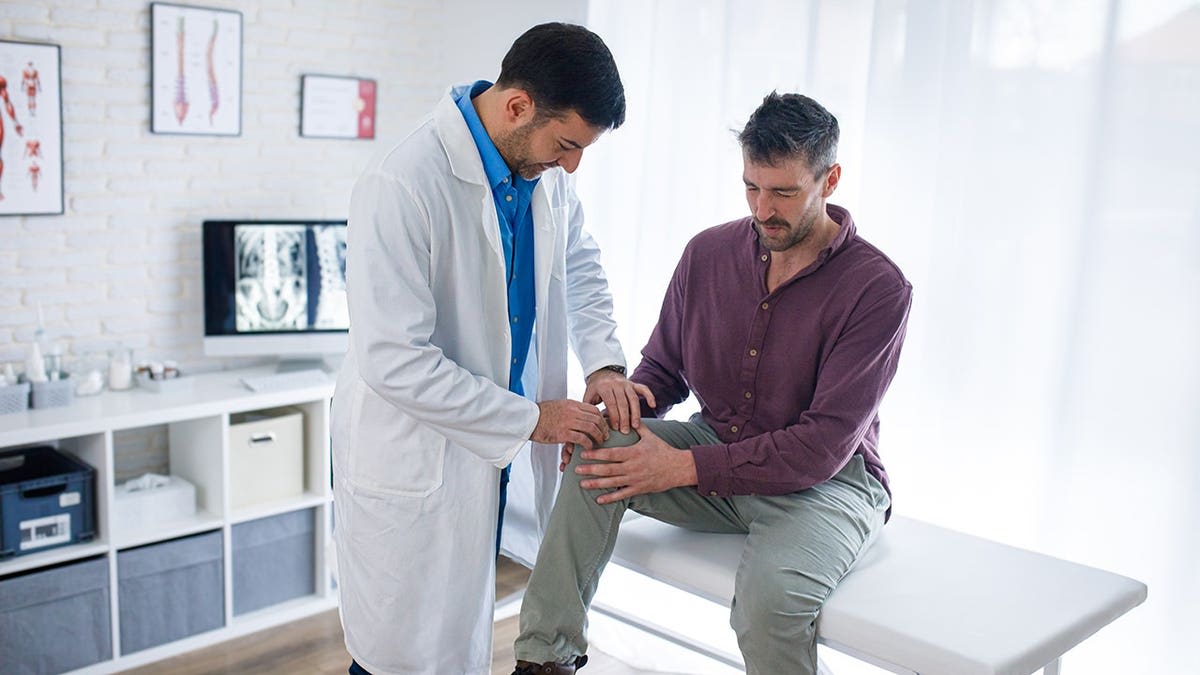
Dr. John Uribe, an orthopedic surgeon in Florida, says joint replacement surgery tops his list. Modern techniques use robotic assistance and advanced imaging to personalize each procedure. Patients recover faster, return home sooner, and stay active longer than anyone thought possible just 20 years ago.
"The biggest impact is that orthopedic care can give people back parts of their lives they thought they had lost," Uribe told Fox News Digital. Hip replacements, knee surgeries, and spine treatments now restore movement and independence, not just reduce pain.
Mental health treatment took an even bigger leap forward. For most of America's history, people with depression who didn't respond to medication had almost nowhere to turn.
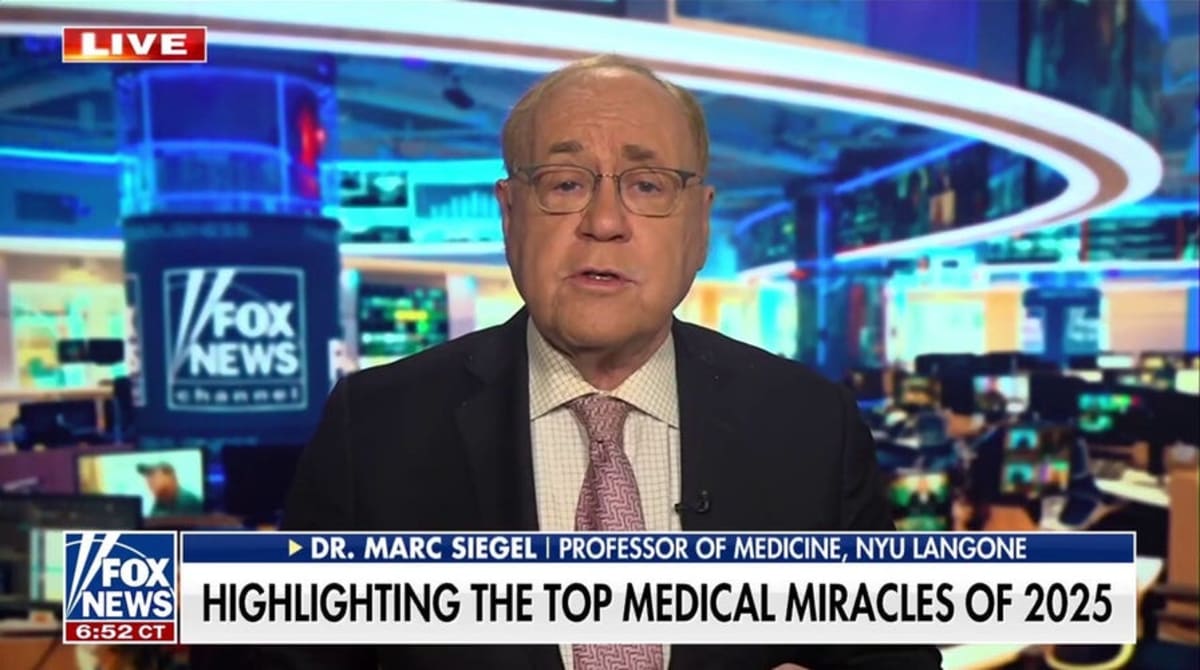
Dr. Russ Voltin, a psychiatrist in West Virginia, points to deep transcranial magnetic stimulation as a game changer. The noninvasive brain treatment works directly on neural circuits involved in depression and OCD. No anesthesia, no sedation, and none of the side effects that make medication unbearable for some patients.
The FDA recently approved an accelerated protocol that shortens depression treatment from four weeks to just six days. In clinical trials, 78% of patients reached remission, and more than 80% stayed healthy a full year later.
"For someone in a depressive crisis, this is the difference between waiting and getting better," Voltin said. People are going back to work, repairing relationships, and re-entering their own lives.
Cancer care transformed when scientists discovered that cancer is fundamentally a genetic disease. Dr. Leonard Kalman, acting system chief executive at Baptist Health Cancer Care in Florida, says understanding genetic mutations changed everything.
Doctors can now cure certain leukemias and lymphomas that used to be death sentences. They can extend life while preserving quality for patients with metastatic cancers like lung cancer, melanoma, and prostate cancer.
The Ripple Effect
These breakthroughs ripple far beyond individual patients. When someone gets their mobility back, they can work longer and contribute to their communities. When depression lifts, families heal and relationships rebuild. When cancer becomes manageable, parents see their kids graduate and couples celebrate more anniversaries.
Modern treatments also shift toward personalized care, matching procedures and therapies to each person's specific needs. The future isn't one-size-fits-all medicine but precision care that recognizes every patient is different.
These innovations prove that medical progress isn't slowing down—it's accelerating, giving more Americans the chance to live fuller, longer, and happier lives.
More Images

Based on reporting by Fox News Health
This story was written by BrightWire based on verified news reports.
Spread the positivity!
Share this good news with someone who needs it