5 Orphaned Bear Cubs Return to the Wild After 18 Months
After nearly two years of care, five orphaned black bear cubs are heading back to their natural habitat on Vancouver Island. The North Island Wildlife Recovery Centre has released over 100 bears in 25 years, giving orphaned cubs a second chance at life.
Five orphaned black bear cubs took their first steps back into the wild this week after spending 18 months learning survival skills at the North Island Wildlife Recovery Centre. For the team who watched them grow from tiny babies into healthy young bears, release day brought both pride and bittersweet emotions.
The cubs arrived at NIWRA as helpless orphans with nowhere else to go. Over the past year and a half, they developed crucial survival skills through a hands-off approach that kept human interaction to a minimum.
Minto, Shawnee, and Barkley were released in southern Vancouver Island, while Neil and Nimpkish returned to the North Island region. Each cub was named after the location where rescuers originally found them.
"This is the most-awaited day of the year for North Island Wildlife," said animal care manager Tessa Jackson. "We get these cubs when they're just tiny little babies, and then we have them for about 18 months before releasing them to the wild."
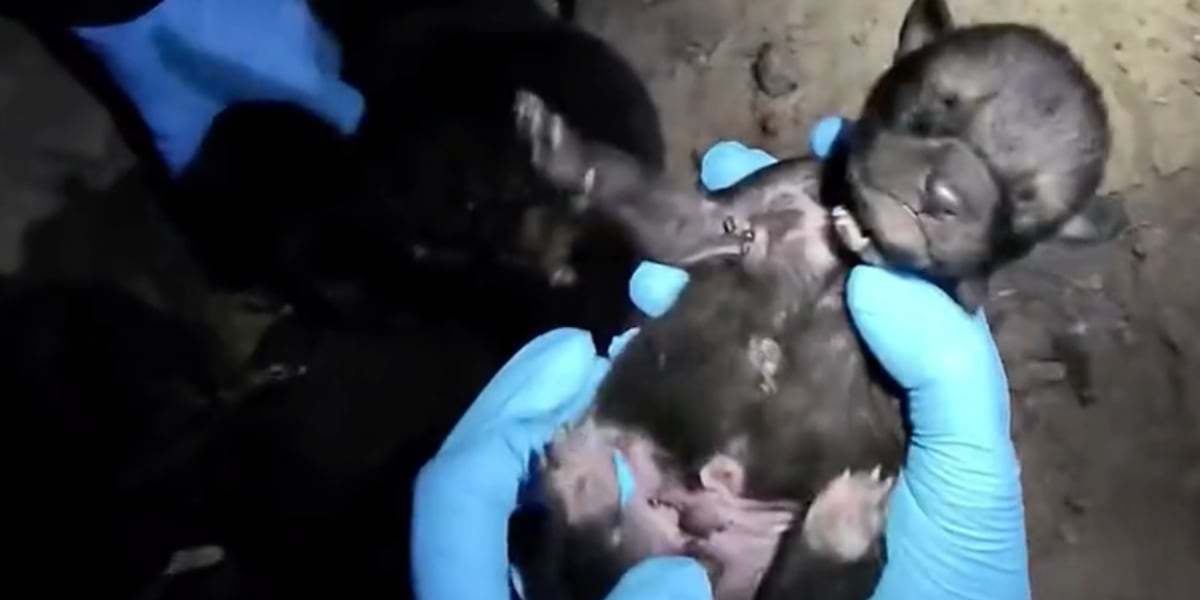
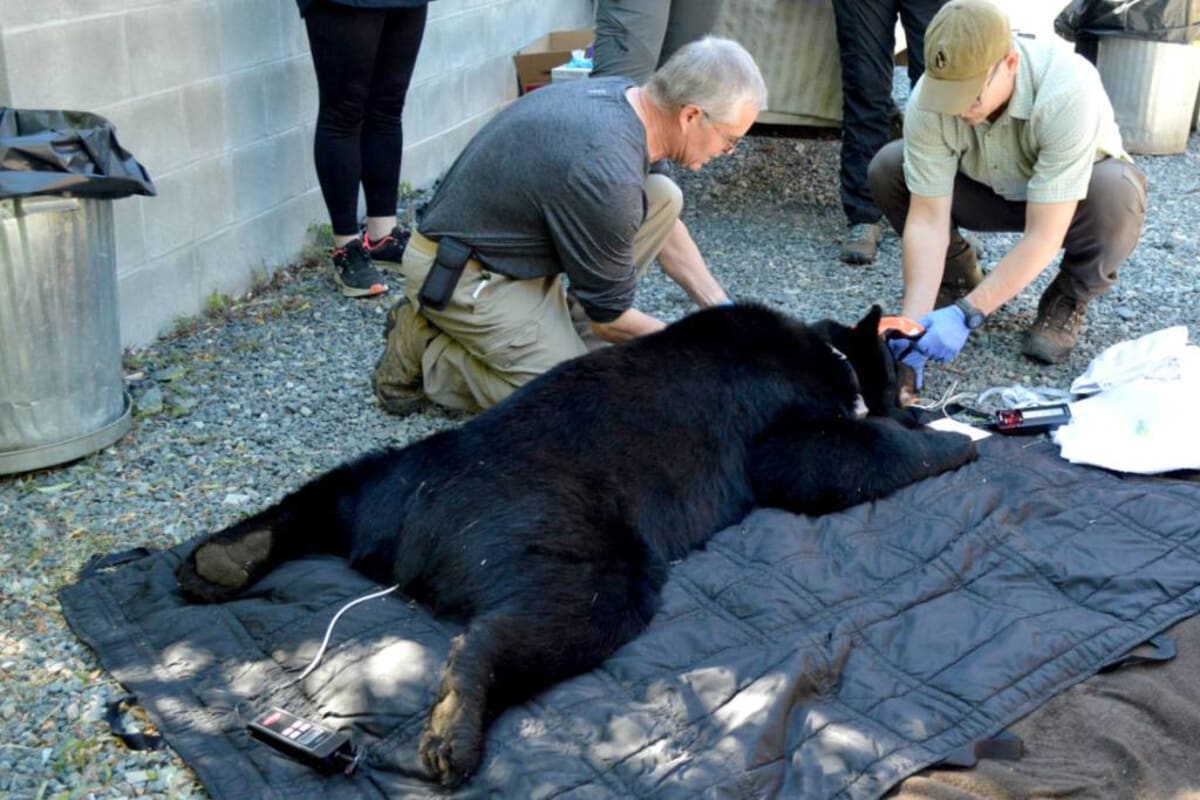
Before their big day, veterinarians and B.C. Ministry of Forests representatives gave each bear a thorough health check. They recorded weights and measurements, then carefully sedated the bears for transport to their new homes.
Each cub now wears a tracking collar that will monitor their location and progress for the first year. The collars are programmed to drop off naturally as the bears grow, providing valuable data about how rehabilitated bears adapt to life in the wild.
The Ripple Effect
NIWRA founder Robin Campbell has been doing this work for over 25 years, and the thrill hasn't faded. The centre has successfully released more than 100 bears back into their natural habitat, giving orphaned cubs chances they wouldn't have had otherwise.
That data collected from tracking collars helps improve rehabilitation techniques for future bears. Each successful release adds to the knowledge that makes the next generation of orphaned cubs even more likely to thrive.
Jackson admitted the release brings mixed emotions for the team who watched these cubs grow up on monitors. "We're so proud, we're nervous, there's a lot going on today," she said.
Five young bears are beginning an exciting new chapter, equipped with the skills they need to survive and thrive in the wild where they belong.
Based on reporting by Google News - Wildlife Recovery
This story was written by BrightWire based on verified news reports.
Spread the positivity!
Share this good news with someone who needs it