Two Extinct Hawaiian Insects Found Thriving After 100 Years
A damselfly unseen for 102 years and a rare moth once thought extinct have reappeared on Hawaiian islands where scientists had given up hope. The insects survived by adapting to habitats experts had written off as worthless. #
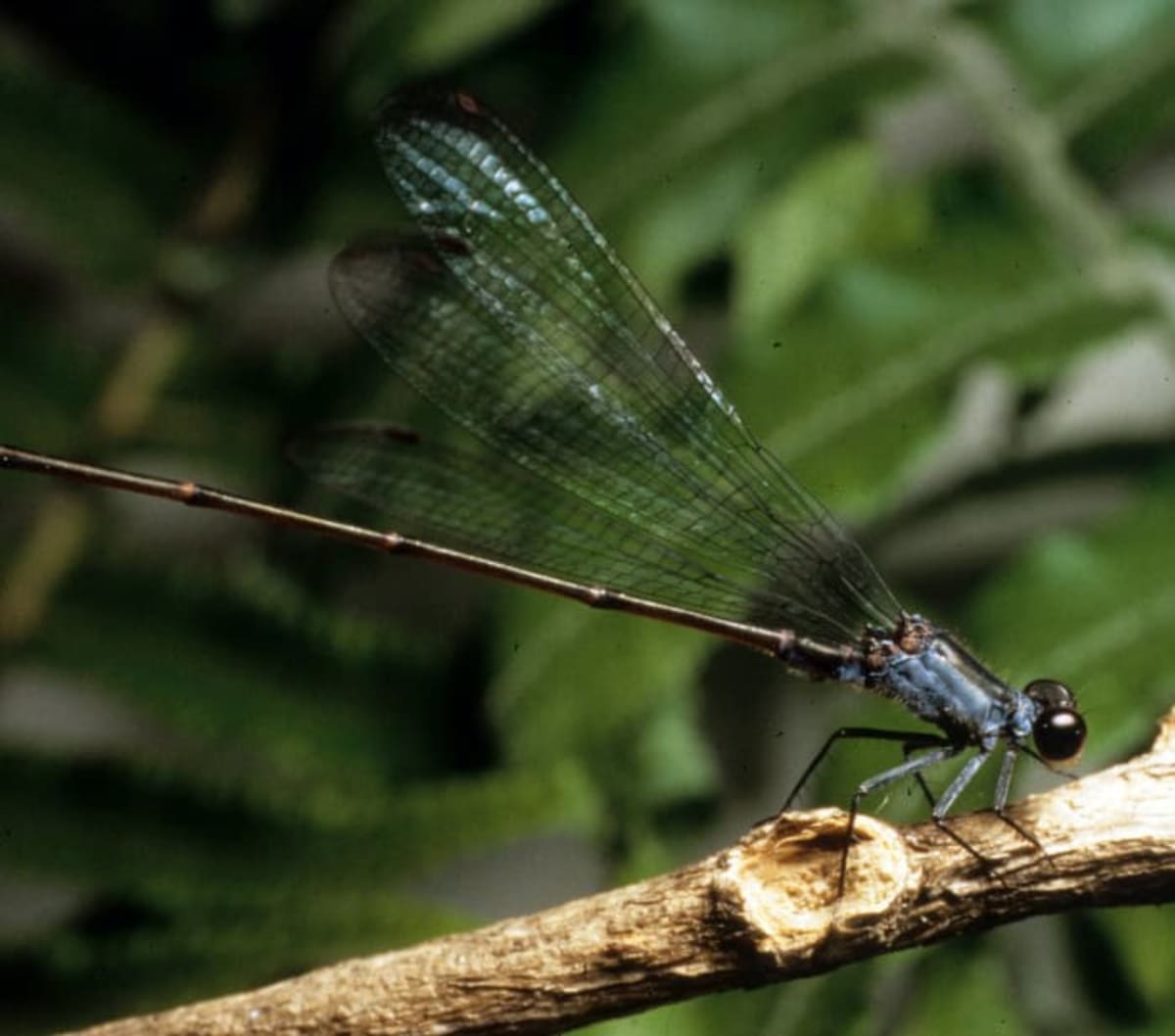
After vanishing from Hawaii's Big Island for 102 years, an endangered damselfly just showed up in the last place anyone expected to find it.
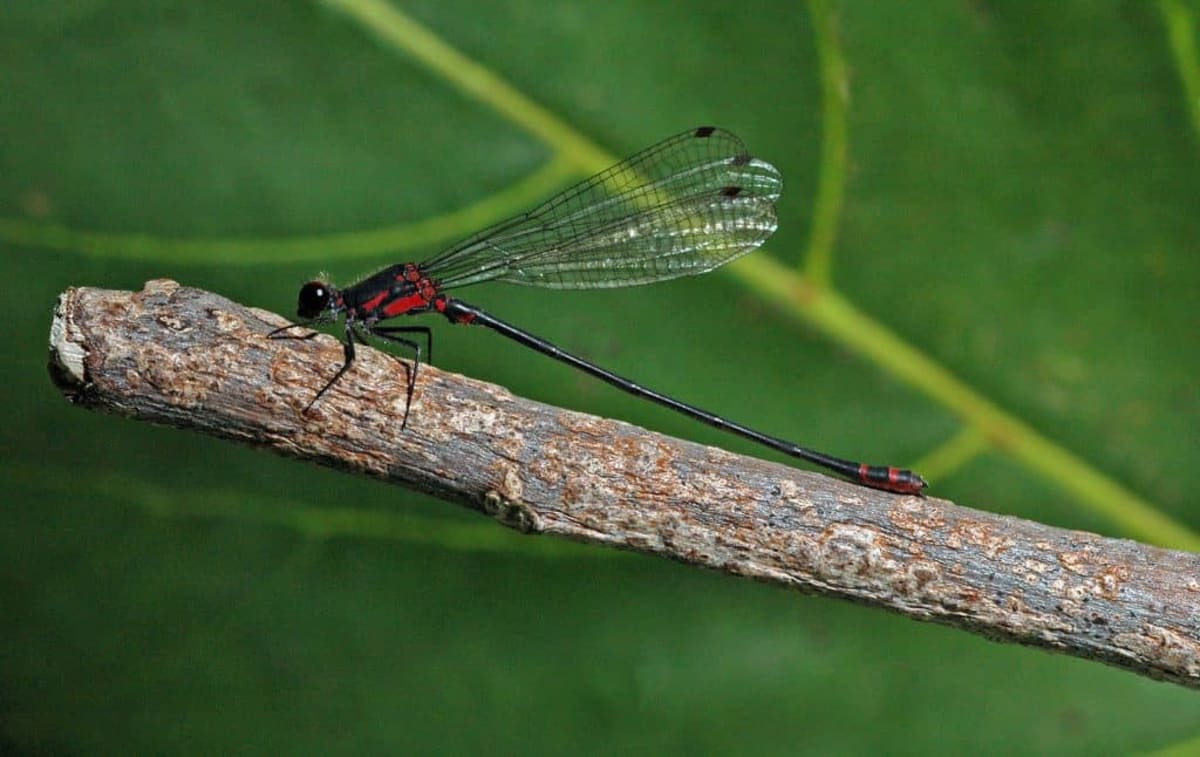
In October 2025, wildlife employee Brandon Wang spotted and photographed a pinapinao damselfly fluttering beneath eucalyptus trees in the Waiākea Forest Reserve. The species hadn't been seen on the Big Island since 1923, and experts had long assumed eucalyptus plantations were terrible habitat for these delicate insects.
They were wrong. Native plants growing in the understory created just enough of the right conditions for the damselflies to quietly survive for over a century.
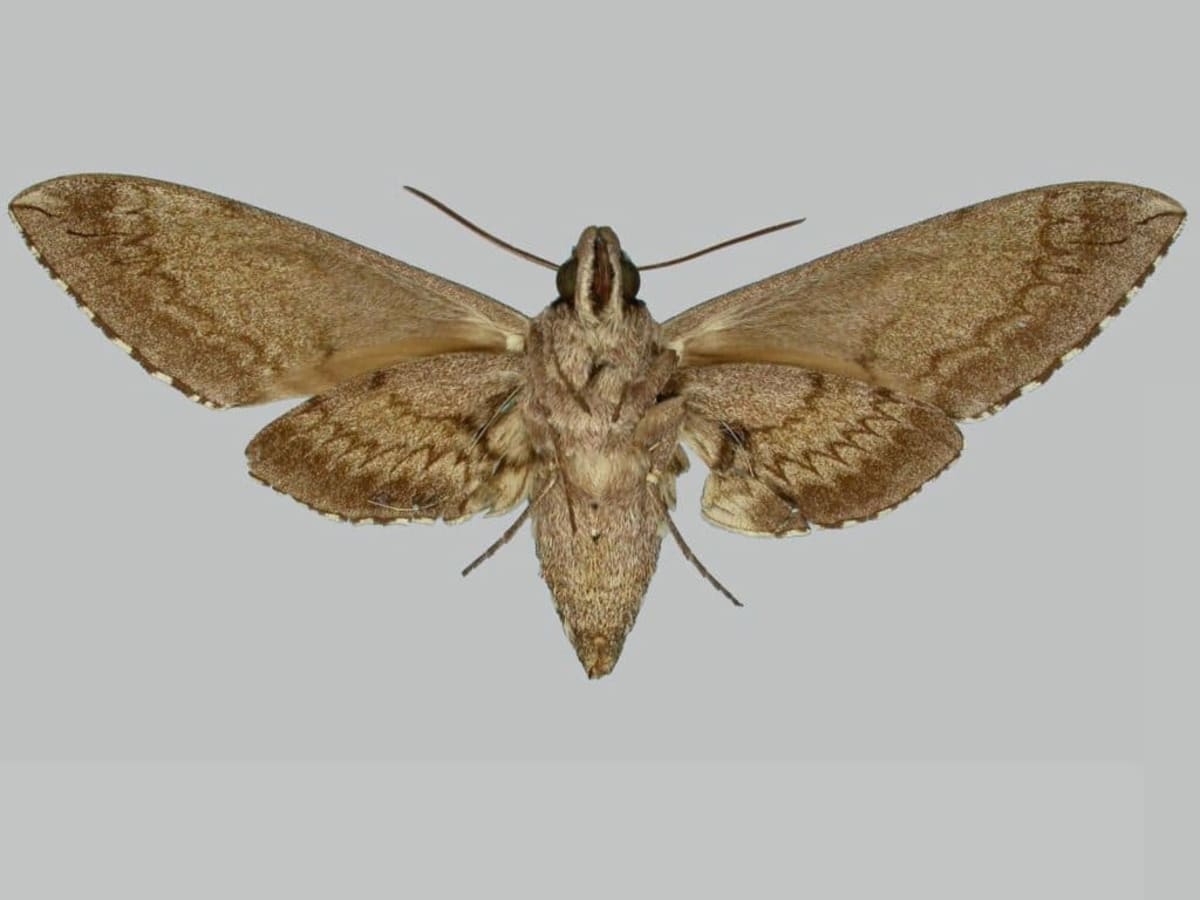
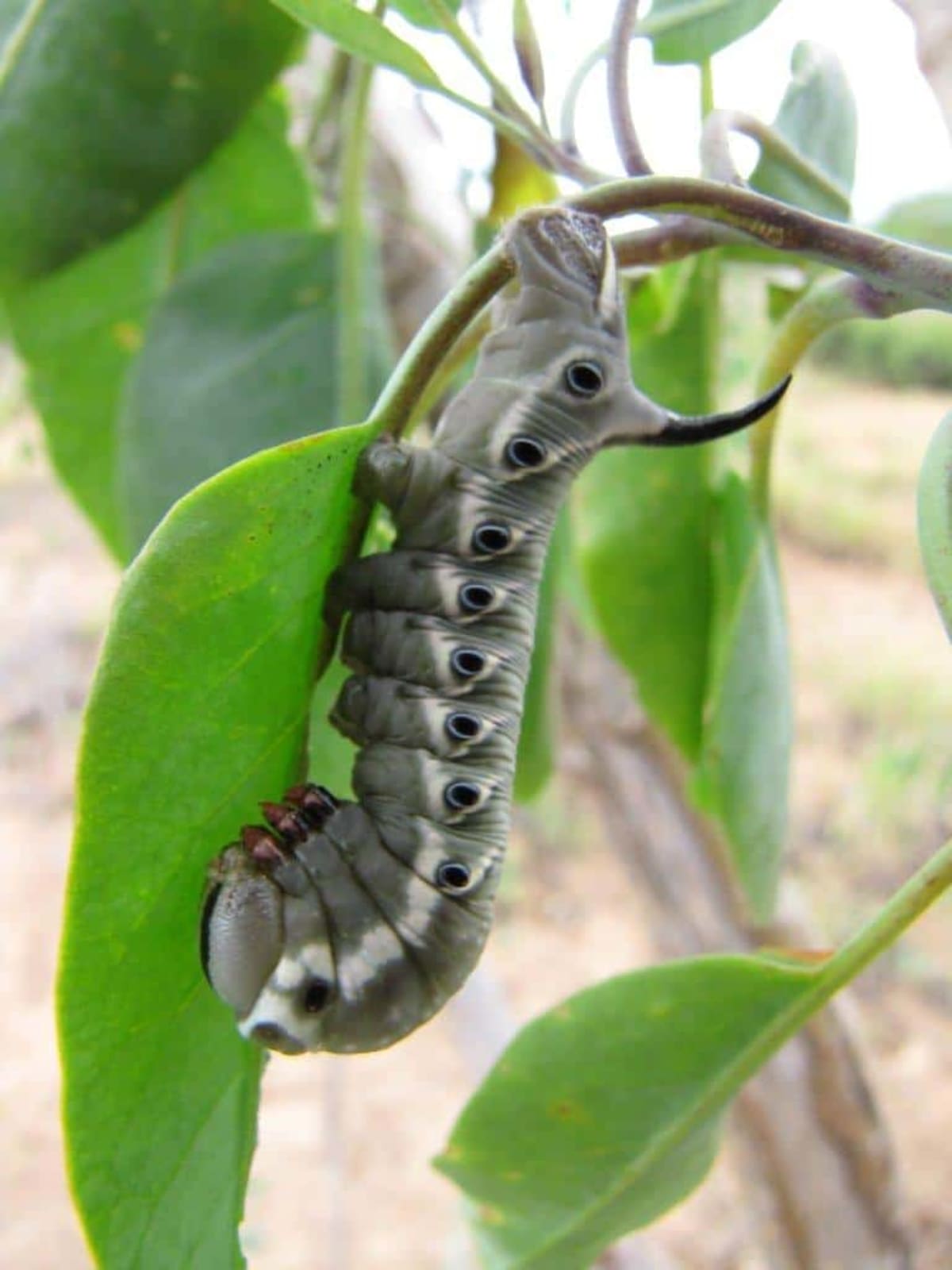
The surprise didn't stop there. Staff from Hawaii's Division of Forestry and Wildlife also discovered 10 caterpillars of Blackburn's sphinx moth on Lāna'i, confirming the species is breeding in areas where it was considered locally extinct.
This massive moth, with its five-inch wingspan, was once common across Hawaii but nearly disappeared when its favorite food source, the native longleaf ʻaiea tree, started declining. Scientists thought the species had gone extinct entirely in the 1970s before it turned up again in East Maui in 1984.
The key to its survival? Breaking its own rules. The moth adapted to feed on invasive tree tobacco plants instead of its native host, a flexibility that's keeping the species alive even as Hawaii's dry forests continue to shrink.
Hawaii's isolation makes it both magical and vulnerable. About 90% of the state's land species exist nowhere else on Earth, but that uniqueness means they evolved without defenses against invasive predators and competitors.
Only 40% of Hawaii's plant life remains native today. When those plants disappear, the insects that depend on them face a stark choice: adapt or die out.
THE BRIGHT SIDE
These rediscoveries prove that endangered species can survive in places conservationists had dismissed as useless. The damselfly thriving under eucalyptus and the moth switching to invasive plants show that nature finds ways to persist even in damaged habitats.
The findings are already changing how wildlife officials search for and protect rare insects. Instead of focusing only on pristine native habitats, they're now looking in unexpected places where struggling species might be hanging on.
DOFAW entomologist Janis Matsunaga says insect populations often "quietly blink out, island by island, until they become extinct," making these discoveries especially encouraging. Each sighting offers scientists crucial information about where to focus conservation efforts and which habitats deserve protection.
The public can help by reporting sightings of rare insects, turning everyday observers into conservation partners. Sometimes the rarest species survive right under our noses, waiting for someone to notice they never really left.
#
More Images

Based on reporting by Google: species saved endangered
This story was written by BrightWire based on verified news reports.
Spread the positivity!
Share this good news with someone who needs it