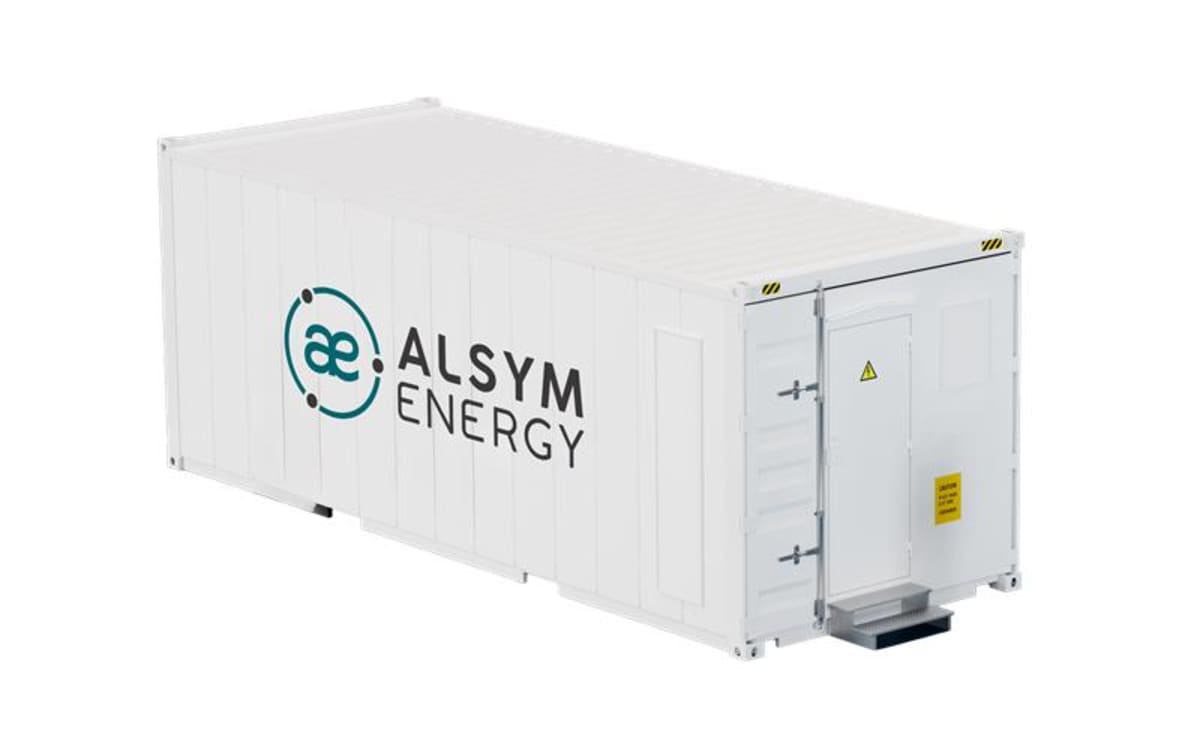
500 MWh Sodium Battery Project Powers California's Desert
California's Mojave Desert is getting a massive energy upgrade that doesn't catch fire or need constant cooling. Two companies just partnered to deploy 500 megawatt-hours of safer, American-made sodium batteries that thrive in extreme heat.
Energy storage in scorching desert heat just got a major breakthrough that could reshape how we power hot climates across America.
Juniper Energy and Alsym Energy announced a partnership to deploy 500 megawatt-hours of sodium-ion battery storage, mostly across California's blazing Mojave Desert. That's enough energy storage to power tens of thousands of homes during peak demand.
The project tackles a problem that's plagued traditional lithium batteries for years. High temperatures in places like the Mojave put enormous cooling demands on energy storage systems, driving up costs and complexity.
Alsym's Na-Series sodium batteries solve this with a chemistry that naturally resists overheating and works efficiently with simple passive cooling instead of energy-hungry air conditioning systems. The technology is non-flammable and non-toxic, eliminating the fire risks that have concerned communities living near battery facilities.
Massachusetts-based Alsym officially launched its Na-Series in October 2025, timing the release perfectly as California races to add renewable energy storage to its grid. The batteries use materials sourced entirely from American suppliers, avoiding supply chain headaches and customs delays.
For Juniper Energy, the financial benefits sweeten an already compelling technical case. Because Alsym manufactures in the United States, Juniper can maximize clean energy tax credits that boost project returns while offering customers more flexible and reliable storage.
The Ripple Effect
This partnership signals momentum for an entire category of battery technology that could transform energy storage in warm climates worldwide. Alsym just signed another deal with ESS Tech for 8.5 gigawatt-hours of sodium batteries, showing the technology is moving from niche experiment to mainstream solution.
The shift matters beyond California. Regions from Arizona to Texas to the Middle East struggle with the same heat challenges that make lithium batteries expensive and risky to operate. Sodium technology designed for extreme temperatures opens doors to affordable renewable energy storage in places that need it most.
American manufacturing adds another layer of impact. By producing batteries domestically, these projects create jobs while strengthening energy independence and accelerating the timeline from contract signing to grid connection.
Desert communities that once worried about fire risks from battery facilities can now welcome energy storage as a safer neighbor that helps stabilize their grid during heat waves when electricity demand peaks.
The future of renewable energy just got hotter, and that's exactly what these batteries were built for.
More Images

Based on reporting by PV Magazine
This story was written by BrightWire based on verified news reports.
Spread the positivity!
Share this good news with someone who needs it